
Last updated November 24, 2026
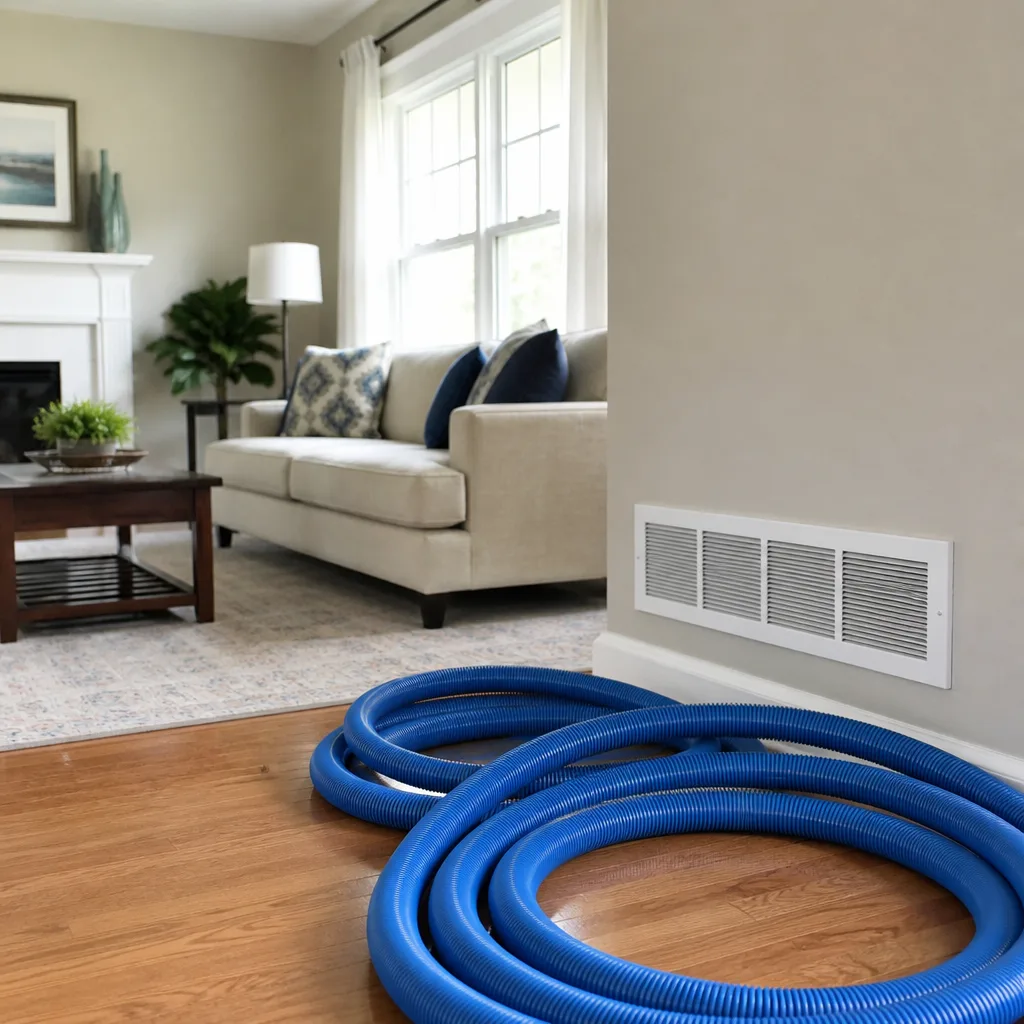 Whole-home duct cleaning
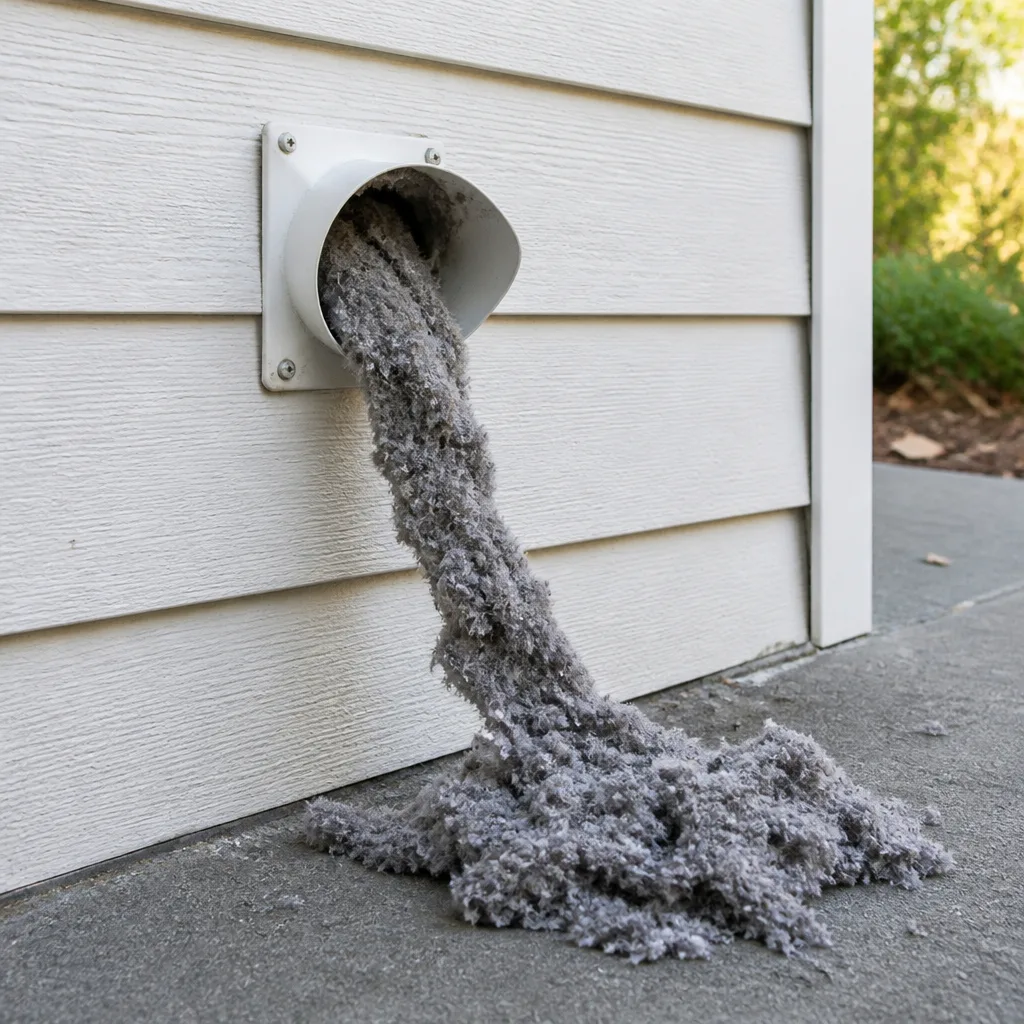 Dryer vent cleaning
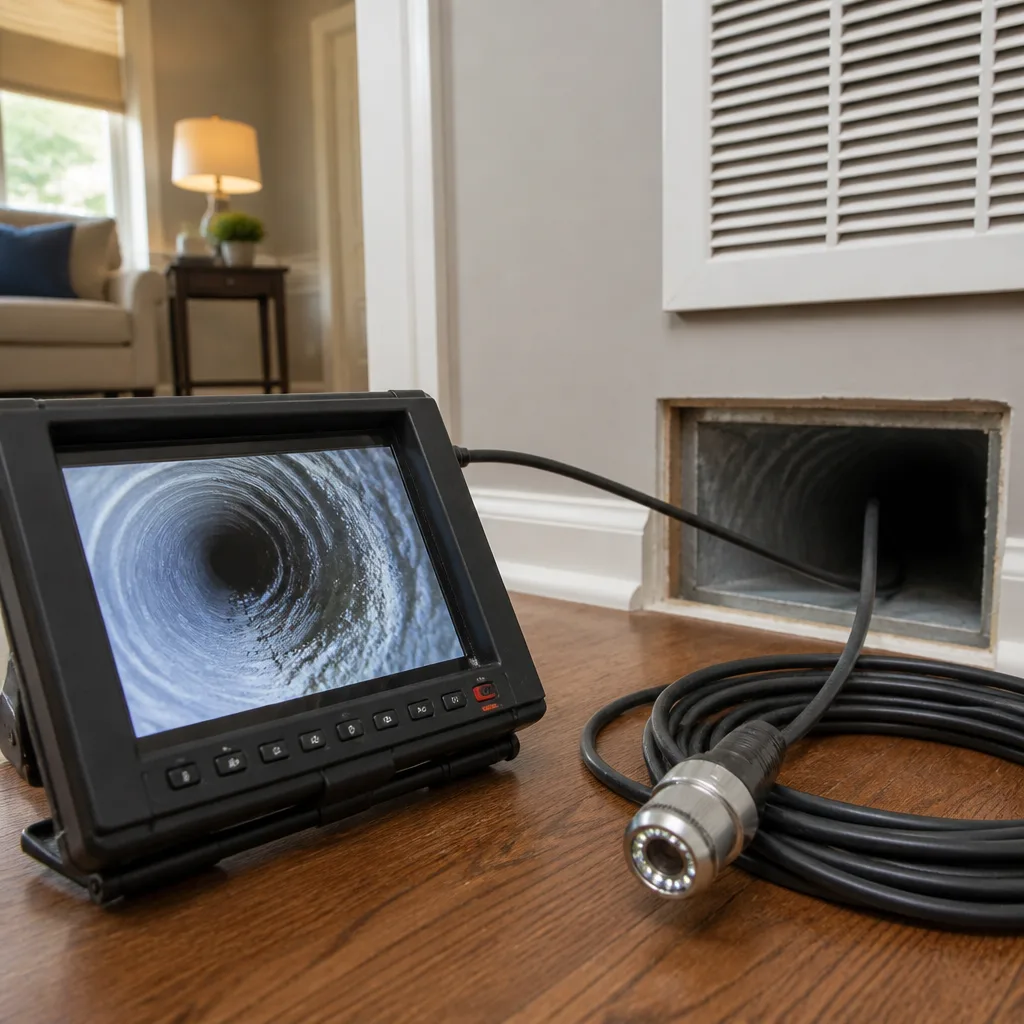 Camera inspection
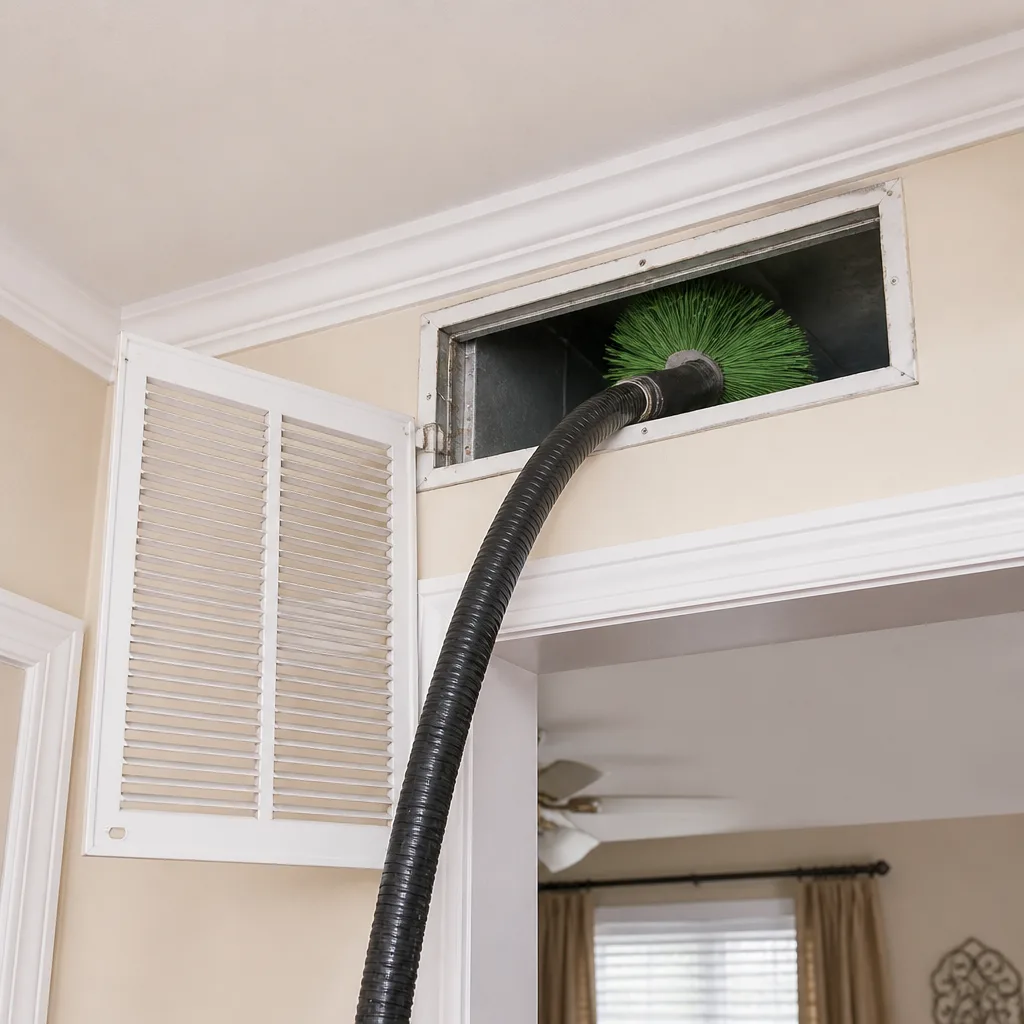 Sanitizing & deodorizing
Whole-system duct and dryer vent check with before-and-after photos - you see exactly what came out of your vents
That "$99 whole-house special" is a bait ad - the real number appears once they are in your hallway, or the "clean" is a shop-vac at the register. We photograph the inside of your ducts before and after instead.
Air Duct Cleaning Warning Signs: A Provo Homeowner’s Reference Guide
A dusty register cover is not a warning sign. It’s a maintenance reminder, the air duct equivalent of a check-engine light that comes on because you’re due for an oil change. The actual warning signs of a duct system in distress are subtler and easier to miss: one bedroom that never quite cools down, a musty smell that only shows up in the first few minutes the fan runs, a filter that loads up in two weeks when it used to last a month. This guide teaches you to read those signals yourself, from the registers, the air handler, your energy bills, and your own body. We’ll cover what each sign points to, which ones mean call now, and which can wait for a scheduled Provo visit.
Quick Answer
The warning signs of a duct system that needs attention are uneven airflow between rooms, dark staining around register edges, a musty smell that appears when the HVAC fan kicks on, an unexplained 10 – 15% jump in your energy bills, allergy symptoms that improve when you’re away and return within hours of coming home, and visible sagging or disconnected flexible duct in the attic or crawlspace. Two or more of these together usually mean contamination, leakage, or both. One alone is worth watching; a persistent pattern is worth a professional look.
Styles & brands we work with
- Whole-home duct cleaning
- Dryer vent cleaning
- Camera inspection
- Sanitizing & deodorizing
Table of Contents
- Register and Airflow Signals
- Sensory Signals: Odor and Contamination
- Energy Bill Signals
- Health Pattern Signals
- Structural Signals You Can See
- Rodent and Pest Signals
- A Step-by-Step Homeowner Walkthrough
- Signs That Aren’t Duct Problems
Register and Airflow Signals
Start at the supply registers, because they show you what the duct system is doing before it reaches you. What you’re looking for is a pattern, not a single dirty vent. A little dust on every register in the house is normal and comes back after any cleaning. Dark staining, weak airflow in specific rooms, and visible debris at the register face are different. Each points to a specific kind of problem.
- Dark staining around register edges. A shadowy line or smudge around the perimeter of the vent cover usually means air is bypassing the boot that connects the duct to the wall or floor. That leaking air carries fine particles with it, and those particles collect on the painted surface right where the air escapes. Staining that follows the register frame is a bet that the joint behind it isn’t sealed.
- Weak airflow from one or two registers. If a room near the air handler blows hard while a room at the end of the run trickles, that’s a duct problem, not a thermostat problem. Blockage, a crushed flexible run, or a disconnect in the attic will starve the far registers first.
- Visible debris at the register face. Fuzz, lint, fibers, or grit collecting on the louvers within days of cleaning suggests that material is being carried by the air stream rather than settled from the room.
- Colder or warmer than the rest of the house. A single room that runs 3 to 5 degrees off no matter what you do with the thermostat is one of the most common signs of a compromised duct run.
In Provo, this matters in both directions. Summer afternoons push the system hard, and a leaky or blocked run makes the far bedrooms noticeably warmer. Winter air is drier and colder, and the same leak pulls in unconditioned air from the attic. If you’ve already had the system tuned up and the temperatures are still uneven, the ductwork is where we’d look next. There’s more detail on what a full air duct cleaning visit covers if you want to compare your symptoms to what gets addressed.
Sensory Signals: Odor and Contamination
Your nose can catch problems a visual inspection misses. The key is timing. A smell that’s present all day points to something in the room. A smell that appears for the first few minutes every time the HVAC fan cycles on points to something in the ductwork. That timing distinction is one of the most reliable pieces of information you can hand a professional.
Musty or wet cardboard smell
The classic mold-and-moisture indicator is a musty, damp cardboard odor that shows up right as the system starts and fades after the air has been running a few minutes. That pattern is consistent with biological growth or damp debris in the ducts or on the air handler coil. In Provo, the cold winter air is dry, so this usually shows up in summer cooling season, when the evaporator coil sheds moisture and any dust coating on that coil or in the plenum can hold it. It’s not a guarantee of mold, but it’s enough of a signal to get the system inspected.
Chemical or solvent smells
New paint, new carpet, new furniture, or stored chemicals in an adjacent closet can off-gas, and if the return ductwork shares space with or connects to that area, those volatile compounds can be pulled through the home’s air. A sharp or solvent-like smell that seems to move through the house when the fan runs is worth documenting, especially after a renovation. Homeowners often mistake it for the new carpet itself.
Room-specific inconsistency
One of the most useful signals is that the smell changes by room. A musty odor in the guest bathroom and nowhere else is more consistent with a localized contamination zone (a disconnected run, damp section of flex duct, or a return in a wet area) than with whole-house contamination. Our approach on a job is to map where a smell occurs before we begin, because it tells us where to aim the equipment. Rotobrush contact cleaning and Nikro HEPA extraction both work best when you know which branch of the system is the source, and containment with Abatement Technologies negative air keeps loosened debris from migrating into the rest of the house while we work.
Energy Bill Signals
Duct problems frequently show up in the utility bill before they show up anywhere else. The reading you’re looking for is simple: your energy usage climbs 10 – 15% compared to the same month last year, and nothing else explains it. No new appliance, no rate change from Rocky Mountain Power, no extended heat wave or cold snap that you can point to. That unexplained bump is a strong candidate for duct leakage or a blockage that’s making the system work harder for the same result.
The mechanism is straightforward. A duct system is supposed to deliver conditioned air at a known pressure to each room. Leaks in the attic or unconditioned crawlspace bleed some of that air before it arrives; crushed or disconnected sections block it entirely. Either way, the air handler runs longer, blower motor and compressor work more, and your bill goes up. In a Provo home with an older duct system or flexible runs in the attic, the leakage adds up quietly.
How to check it yourself
- Pull the last two years of utility bills for the same month. Compare the same month to the same month, not July to January.
- Note a 10 – 15% jump as the threshold, then rule out explanation: any rate change, a new appliance, a change in household occupancy, a hotter or colder stretch of weather.
- Cross-check against comfort. If the bills are up and one or more rooms still won’t come to temperature, the case for a duct inspection gets stronger.
- Look at the filter at the same time. A filter that loads up far faster than it used to is a sign that the air stream is carrying more debris than usual.
Bill signals pair naturally with HVAC cleaning, because a system that’s both leaking air and cycling through a dirty coil or blower will show the same financial signature. Cleaning and sealing the whole air pathway addresses both sides of that equation.
Health Pattern Signals
The most underreported warning sign is a pattern in your own symptoms. We’re not medical professionals and this guide can’t diagnose anything, but we’ve learned to read patterns that correlate with duct contamination, because the timing tells the story. Two patterns in particular separate duct-related air quality from other household sources.
Pattern one: away-and-back
Symptoms that improve within a day of being away from home, then return within hours of walking back in. If a family member feels noticeably better on a trip and worse the first evening back, that pattern points to something in the indoor environment. It doesn’t automatically mean ducts, but it’s a strong reason to look at the whole air pathway systematically rather than just the room they spend the most time in.
Pattern two: symptom timing follows the HVAC cycle
More than time of day, follow the fan. Symptoms that get worse in the first few minutes after the HVAC starts, and ease when the system is off, point toward the ductwork as the distributor. Symptoms that track time of day more than HVAC cycles (worse in the morning regardless of the system, for example) are more consistent with something else. That difference matters, and a homeowner who notices it is providing real diagnostic information.
In Provo, these patterns sometimes get attributed to seasonal pollen or the dry air off the mountains. Both are real effects, but they don’t explain away a pattern that follows the fan. One useful check is the filter. If you’re finding yourself changing the filter every two weeks instead of every thirty days, that faster loading rate is worth pairing with a look at the ducts themselves.
Structural Signals You Can See
Some of the clearest warning signs live in the attic, the crawlspace, or wherever your flexible ductwork runs. You don’t need to do any disassembly to spot them. A quick look with a flashlight from a safe spot at the access panel will tell you a lot.
- Flexible duct with visible sag or kink. A run of flex duct that hangs slack between supports or bends sharply around a corner restricts airflow and collects debris at the low point. Both the blockage and the debris are a reason to look further.
- Disconnected joints. Sections that have come apart at a collar or a takeoff are common in older installations and after any attic work. Look for a gap, misaligned duct ends, or duct tape that’s peeling or dried out.
- Duct tape that isn’t holding. Fabric or standard duct tape dries and lets go over time. That’s a leak in progress even if the joint is technically still together.
- Duct penetrations with gaps around them. Where a run passes through a wall, floor, or ceiling, the hole should be sealed. Unsealed penetrations let attic or crawlspace air into the house.
- Damp insulation or duct wrap. Wet insulation around a duct is a signal to look for the source, not just replace the insulation.
Structural findings deserve professional attention because they combine airflow problems with air quality problems. A kinked run starves a bedroom and collects debris; a disconnected joint leaks air into the attic and pulls attic air into the house. Duct repair and sealing as part of a service visit closes that loop, which is the approach we take: clean the pathway, then seal the leaks that would undercut the cleaning.
Rodent and Pest Signals
Provo’s position at the base of the mountains means homes here share the urban-wildland edge with the wildlife that lives there. Rodents and other small animals can find their way into attic and crawlspace duct runs through openings around the duct penetrations, and often leave visible evidence.
- Droppings or nesting material near duct runs, at penetrations, or in the attic or crawlspace.
- Chew marks on flexible duct, duct wrap, or the insulation around it.
- Small tears or holes in the duct material itself.
- Unusual odors that seem to intensify in specific areas of the house.
These aren’t duct cleaning signs on their own; they’re a reason to inspect the air pathway for contamination and to seal the entry points once it’s been addressed. Pest contamination calls for professional handling with proper containment. That’s part of why every job we run includes Abatement Technologies negative air and HEPA extraction on site. Loosened debris and contaminants get captured at the source rather than redistributed into living spaces while work is underway.
A Step-by-Step Homeowner Walkthrough
This is the sequence we use ourselves when we walk a Provo home before any work starts. You can run the same sequence yourself in about twenty minutes and come away with a written list of what you found. Write it down. Symptoms described in writing are far more useful than “it feels weird” when you’re talking with any contractor.
- Start at the thermostat. Note the set-point and the indoor temperature. Then check each room with a simple thermometer. Write down the reading per room.
- Test each register. With the fan running, hold your hand at each supply register. Note which ones are strong, weak, or barely moving air.
- Look at the register faces. Note dark staining around the frame, visible fuzz or debris, or a shadow line at the edges.
- Check the filter. Note the date you installed it and the condition. A filter loading in two weeks instead of thirty days is worth recording.
- Sniff at start-up. Ask household members to notice any musty, damp, or chemical smell during the first few minutes the HVAC starts. Note which rooms.
- Look at the air handler area. Any signs of moisture, rust, or debris near the unit itself is worth documenting with a photo.
- If you have safe access, look at the attic or crawlspace runs. A flashlight glance at the flexible duct from the access panel is enough to spot obvious sag, kinks, or disconnects. Don’t crawl into tight spaces or disturb insulation yourself.
- Scan duct penetrations from inside the house for gaps around the duct where it passes through a wall, floor, or ceiling.
You now have a room-by-room and register-by-register record. That record is the starting point for any conversation with a professional, and it’s how we approach every job: measure what the system is doing, then address it. From the Provo Air Duct Cleaning Pros perspective, that document is worth more than a verbal description any day.
Signs That Aren’t Duct Problems
Not every signal points to the ducts. Knowing what to rule out protects you from paying for work you don’t need, which is why we spend as much time telling homeowners what isn’t a duct issue as we do telling them what is.
- Uniform dust on every surface. Fine dust settling evenly across the house is usually room air, not duct air. A changing filter and a vacuum handle most of it.
- A single cold room in winter that doesn’t respond to the thermostat. Sometimes it’s a window issue, insulation, or a room that’s simply over-glazed for Provo’s winter sun angle. Worth ruling out before you look at ducts.
- Smells that match a source you can name. A chemical smell after new paint, a pet odor in one specific area, or a cooking smell lingering in the kitchen are usually room-level, not duct-level.
- Symptoms that don’t correlate with HVAC cycles. Seasonal allergy patterns in Provo often track the pollen calendar, not the fan.
- A one-off filter that loaded fast. Renovation dust, a windy day with windows open, or a new pet can all load one filter faster than normal. A single occurrence isn’t a pattern.
- A single register with a fingerprint. One smudge isn’t staining. Staining that follows the register frame on multiple vents is the pattern worth noting.
Common Mistakes to Avoid
- Judging the ducts by a vacuum test. Waving a shop vacuum at a register tells you nothing about what’s happening inside the runs. The contact-cleaning and HEPA-extraction equipment used by professionals moves through the whole pathway, not just the visible opening.
- Cleaning without sealing. Cleaning a system that still leaks air through disconnected joints or unsealed penetrations lets the contamination return quickly. Sealing is part of the job, not an upsell.
- Changing the filter more often to compensate. A filter that loads in two weeks is telling you the air is carrying more debris than it should. Changing it more often hides the symptom without fixing the cause.
- Ignoring a musty smell because it fades. A musty odor that appears only during the first few minutes the fan runs and then seems to go away is still a signal worth investigating. It’s not the smell fading; it’s the contamination continuing to be present while diluted.
- Using room-level air fresheners to mask the problem. Covering an odor makes it harder for a professional to trace its source, which is the most useful information you can provide.
- Skipping the attic and crawlspace in the walkthrough. In Provo homes, the most reliable structural signals (kinked flex, disconnected joints, rodent entry) live in those spaces, not at the registers.
- Hiring the lowest bid without checking the equipment. A shop vacuum and a rotary brush are not the same as a Rotobrush contact system and Nikro HEPA extraction with Abatement Technologies containment on site. Ask what they use, and why.
See the difference
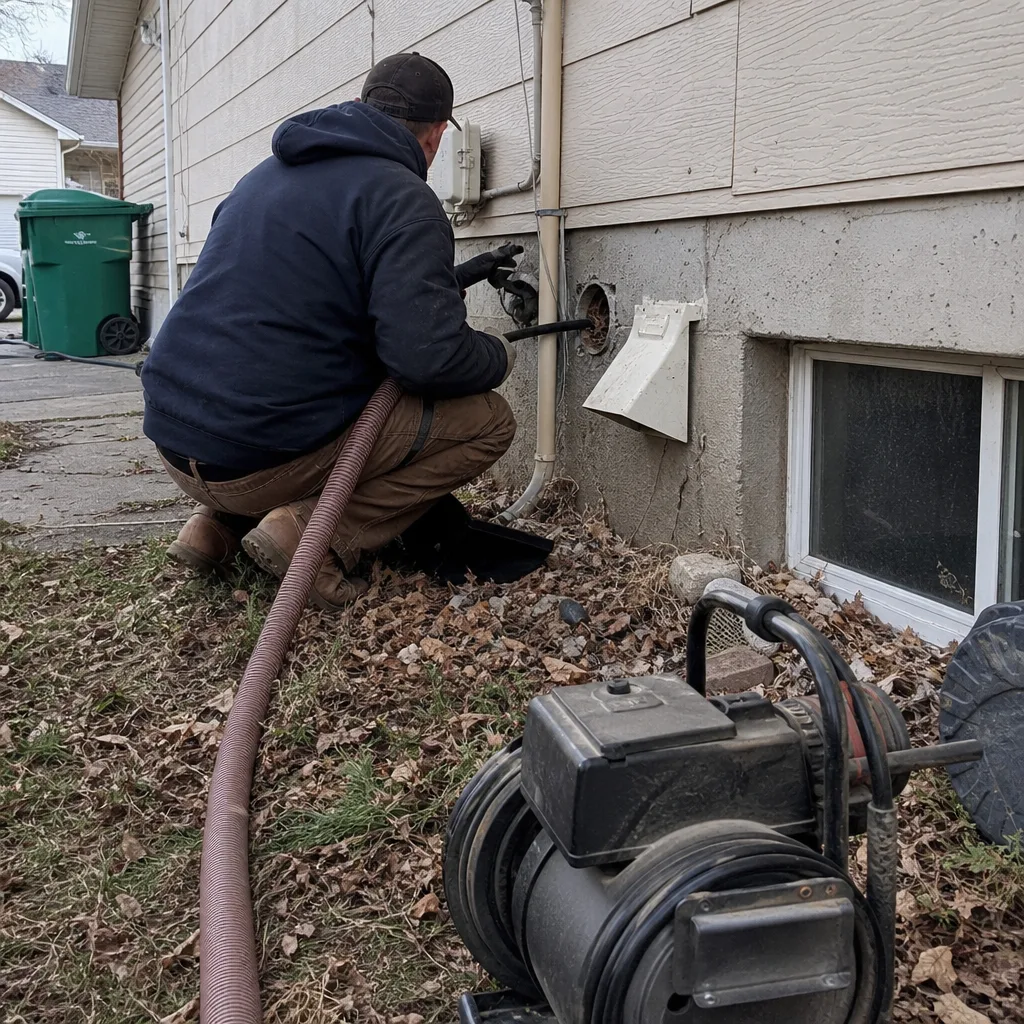 Before
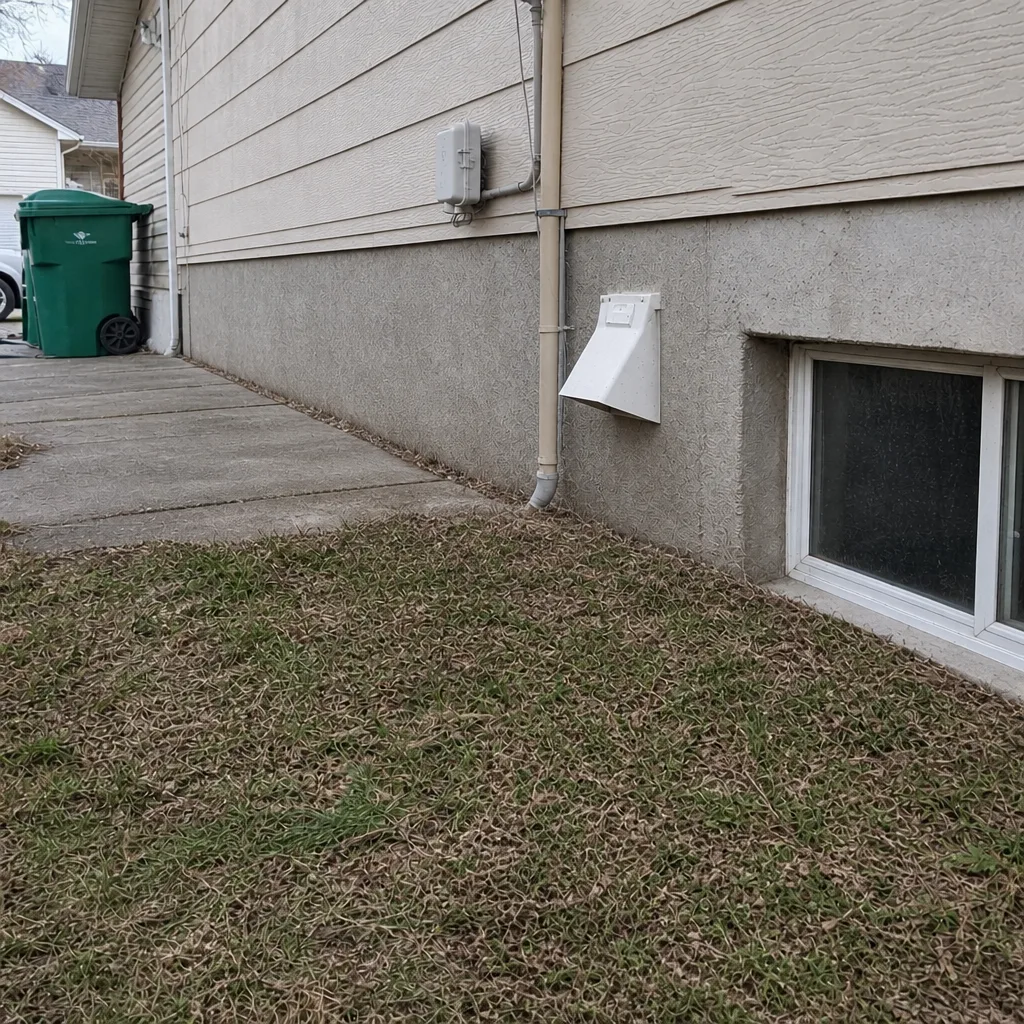 After
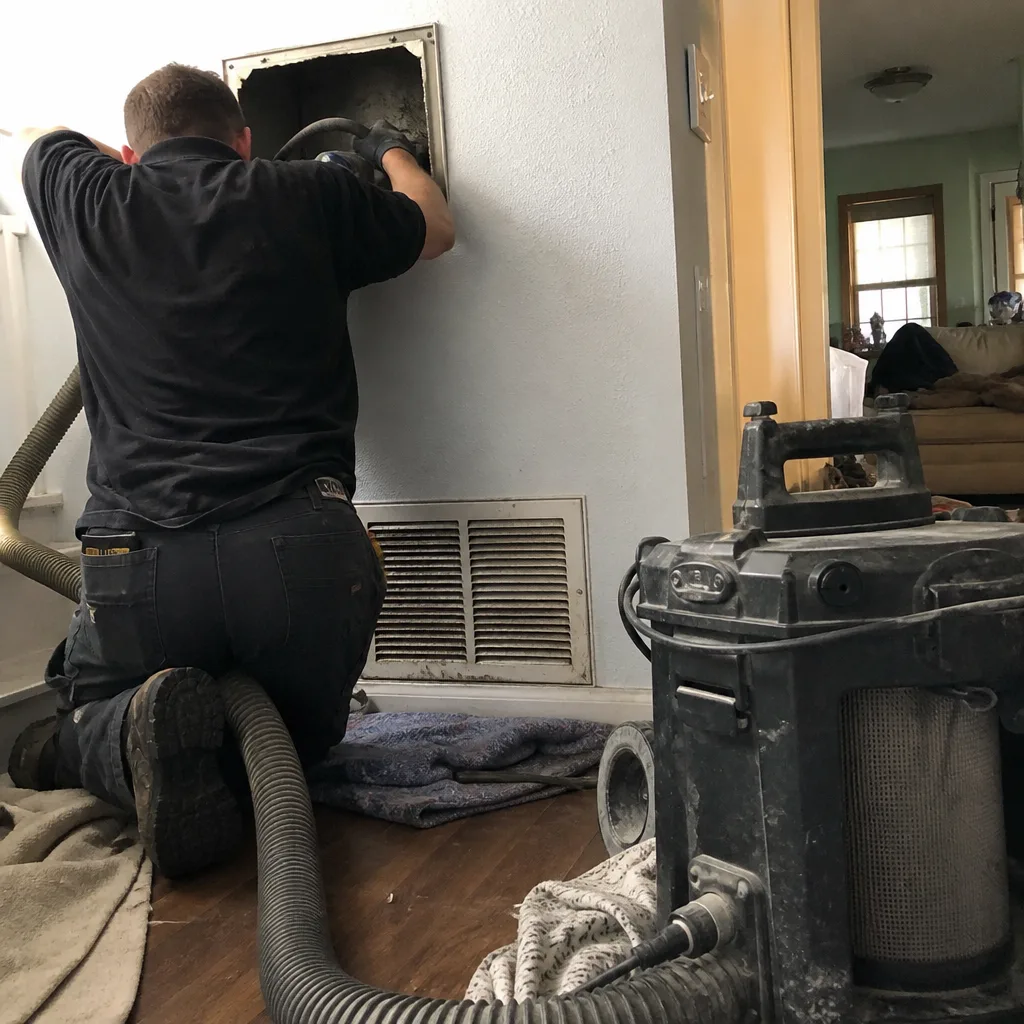 Before
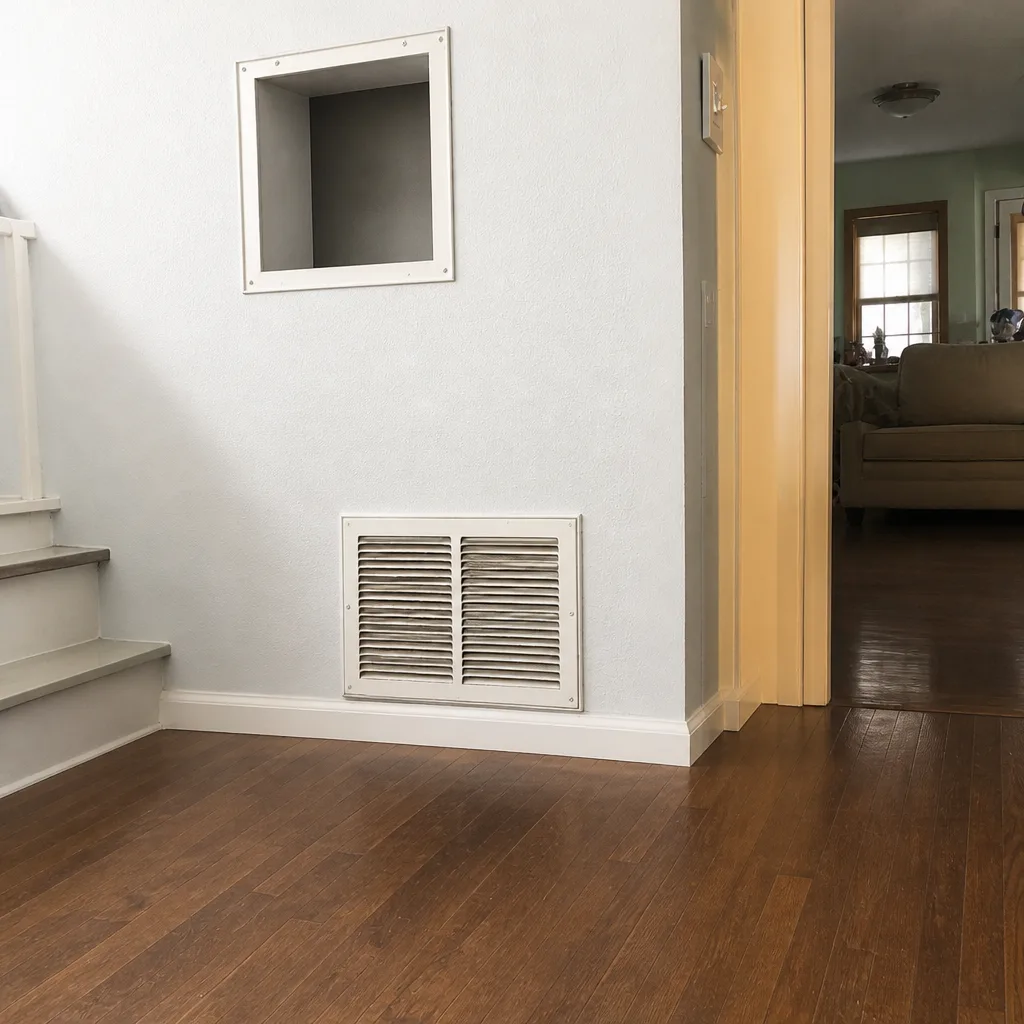 After
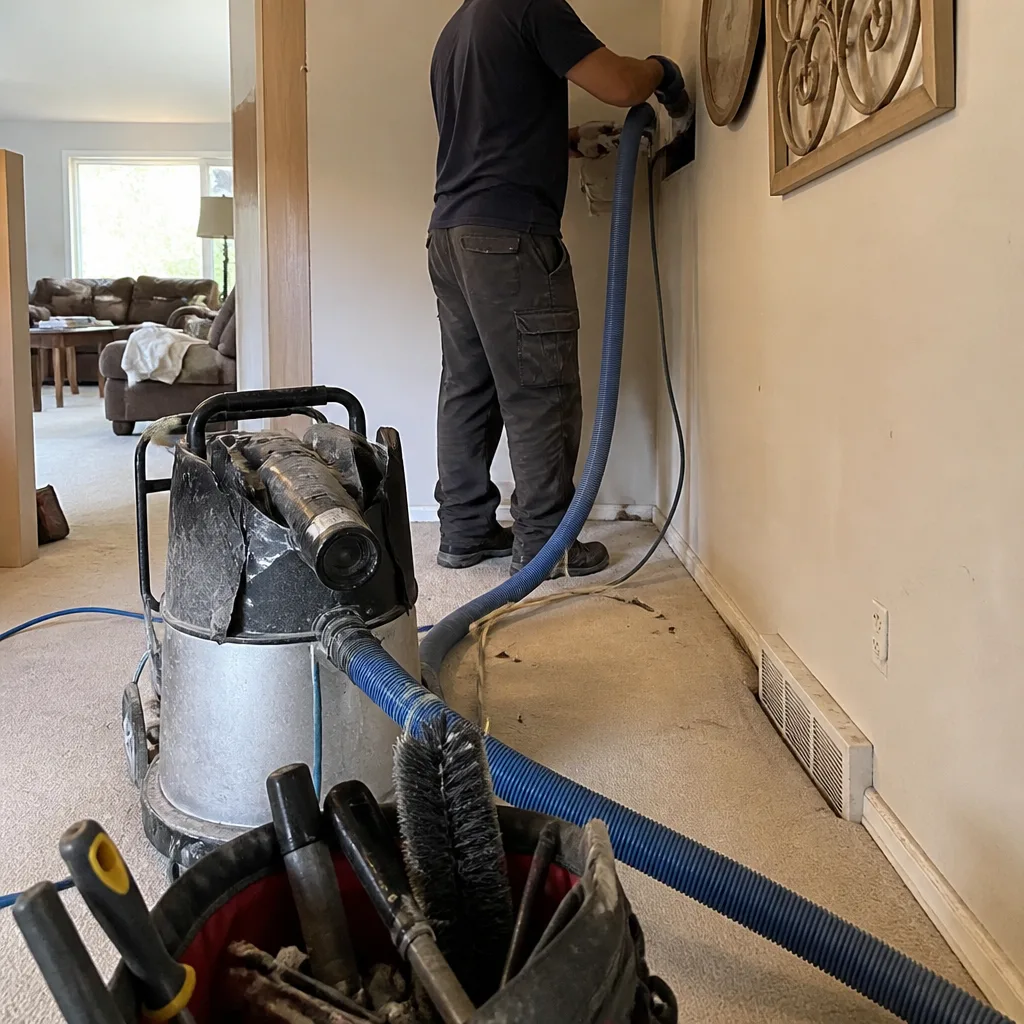 Before
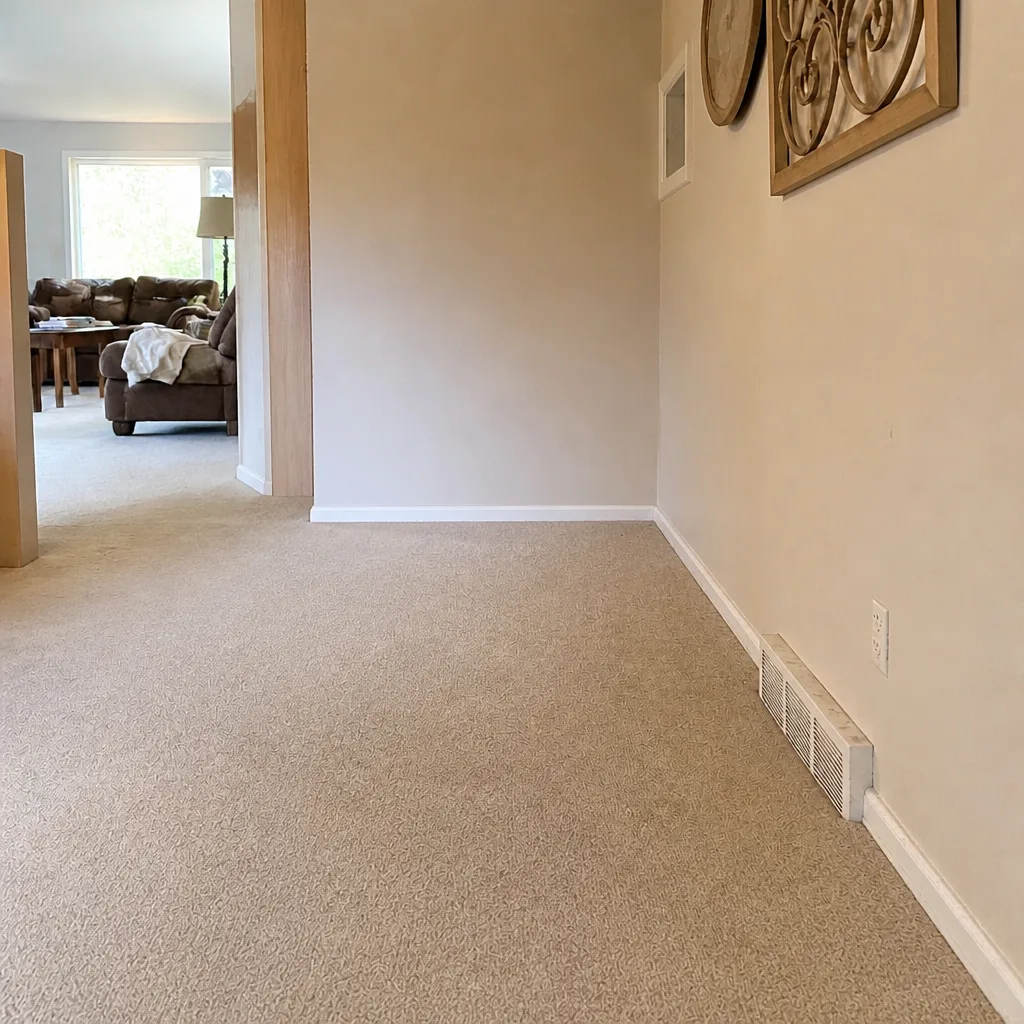 After
When to Call a Professional
Call when two or more warning signs show up together, when a single sign persists for more than a month despite changes to the filter and thermostat, or when you see contamination or pest evidence in the attic or crawlspace. Call sooner if a musty smell appears during HVAC start-up, if a household member’s symptoms follow the fan cycle, or if your energy bill shows an unexplained 10 – 15% jump with no other explanation. Also call for dryer vent cleaning if you’ve never had it done; dryer vents are a fire-safety item independent of duct cleaning, and the risk is concrete. Provo Air Duct Cleaning Pros offers free estimates in Provo. Call (866) 937-8191. We answer 24/7. Fast dispatch from 7am to 7pm, Sunday through Friday.
Frequently Asked Questions
There’s no single universal number, but a practical rule is every three to five years for a typical home with a filter changed on schedule, sooner if you have pets, have recently renovated, or if any of the warning signs in this guide show up. If a filter loads in two weeks instead of thirty days, or if a musty smell appears during HVAC start-up, get a professional assessment rather than waiting for the interval to come around. Call (866) 937-8191 for an exact quote. Estimates are free.
Duct cleaning is priced per system, not per vent, so the range depends on how many systems your home has, how accessible the runs are (attic, crawlspace, basement), and what the walkthrough finds. That’s why the written estimate, not a quoted number over the phone, is the number that matters. Anyone quoting a per-vent price or a teaser coupon figure ahead of seeing the house is pricing an unknown; the honest answer comes after a walkthrough. Call (866) 937-8191 for an exact quote. Estimates are free.
Because they’re quoting different work. A low quote often prices a truck-mounted vacuum and a register-by-register pass, without contact cleaning of the duct interior, without containment, and without sealing any leaks found. That’s why we use Rotobrush contact cleaning and Nikro HEPA extraction with Abatement Technologies negative air on the job, and why duct repair and sealing is part of the service rather than an add-on. Ask any contractor what equipment they’ll use and whether containment is included before comparing prices. Call (866) 937-8191 for an exact quote. Estimates are free.
Ask for before-and-after photos of your own ducts, taken through the register openings and at the air handler. Any professional who does full-system work should be able to show you what they found and what it looked like afterward. That’s a core part of how we work. If a contractor can’t show you your system before and after, that’s a signal in itself, and it’s the single best question to ask before you hire anyone. Call (866) 937-8191 for an exact quote. Estimates are free.
Ductwork that’s carrying contamination can circulate particles, and for a household member with sensitivities, more airborne particles in the home is worth addressing. We’re not able to make a medical claim, and the symptoms themselves need a medical professional to evaluate. What we can do is look at the air pathway and document what’s in it, which is a concrete way to address the environmental side of the question. Call (866) 937-8191 for an exact quote. Estimates are free.
Provo’s climate does put particular demands on ductwork. Cold winters and hot summers both push the system hard, and dry winter air followed by summer cooling-season moisture means the evaporator coil sheds water for a large part of the year. That moisture can sit in any dust coating on the coil or in the plenum, which is why the musty smell during HVAC start-up is such a useful warning. Homes here also share space with the wildlife at the mountain edge, so attic and crawlspace duct runs deserve a periodic look. Call (866) 937-8191 for an exact quote. Estimates are free.
A full-service company handles the whole air pathway from the air handler to the vent cover, which is what we do: air duct cleaning, dryer vent cleaning, HVAC cleaning, duct repair and sealing, and air quality sanitizing. The value is that the person who finds a disconnected joint in the attic is the same person who seals it, and the person who cleans the system is the same person who can advise on the whole-home filtration equipment (we work with Honeywell and Aprilaire systems, and use Guardsman-grade protection products after cleaning). Splitting that across contractors tends to leave gaps. Call (866) 937-8191 for an exact quote. Estimates are free.
The Bottom Line
Most duct problems give you weeks or months of warning before they affect your air quality or your system’s efficiency. The signals are subtle but legible: dark staining around register frames, uneven room temperatures, a musty smell during HVAC start-up, an unexplained 10 – 15% energy bill jump, symptoms that follow the fan cycle, vis