
Last updated November 24, 2026
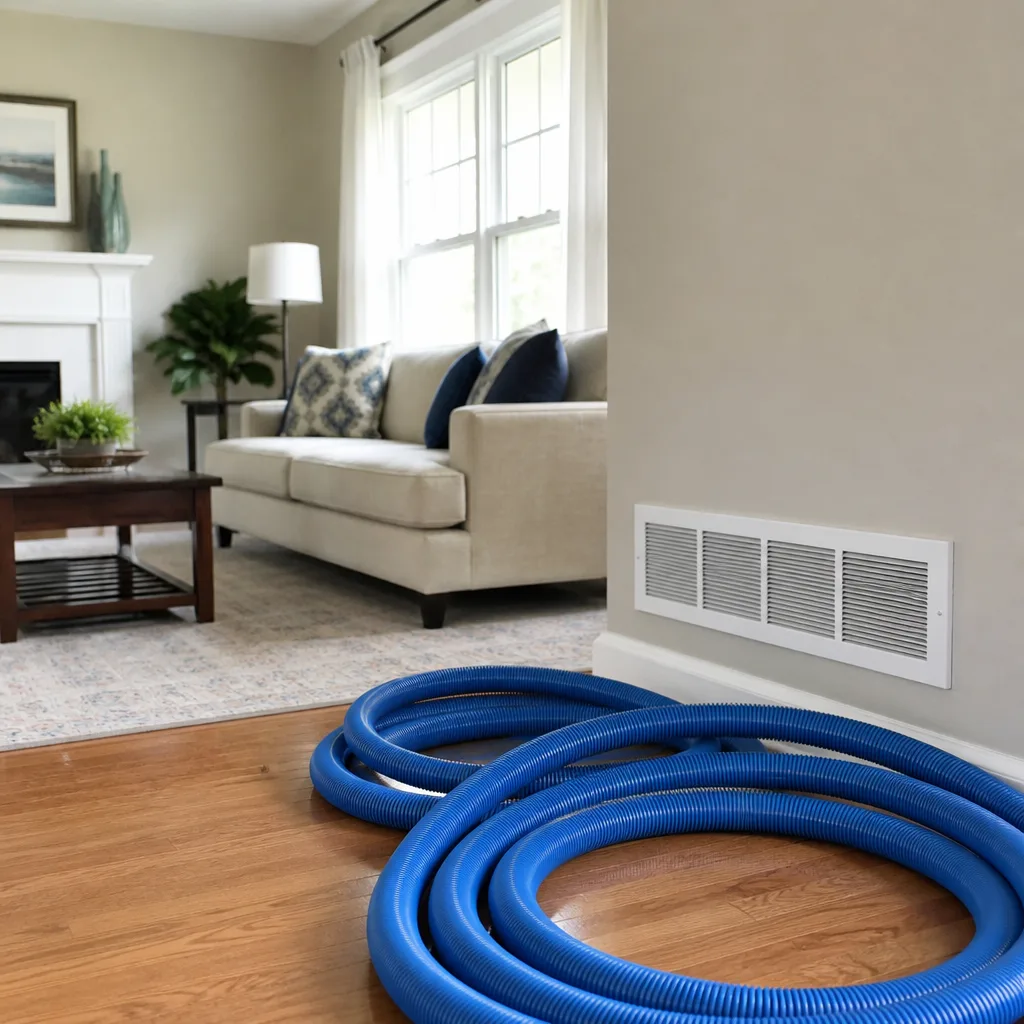 Whole-home duct cleaning
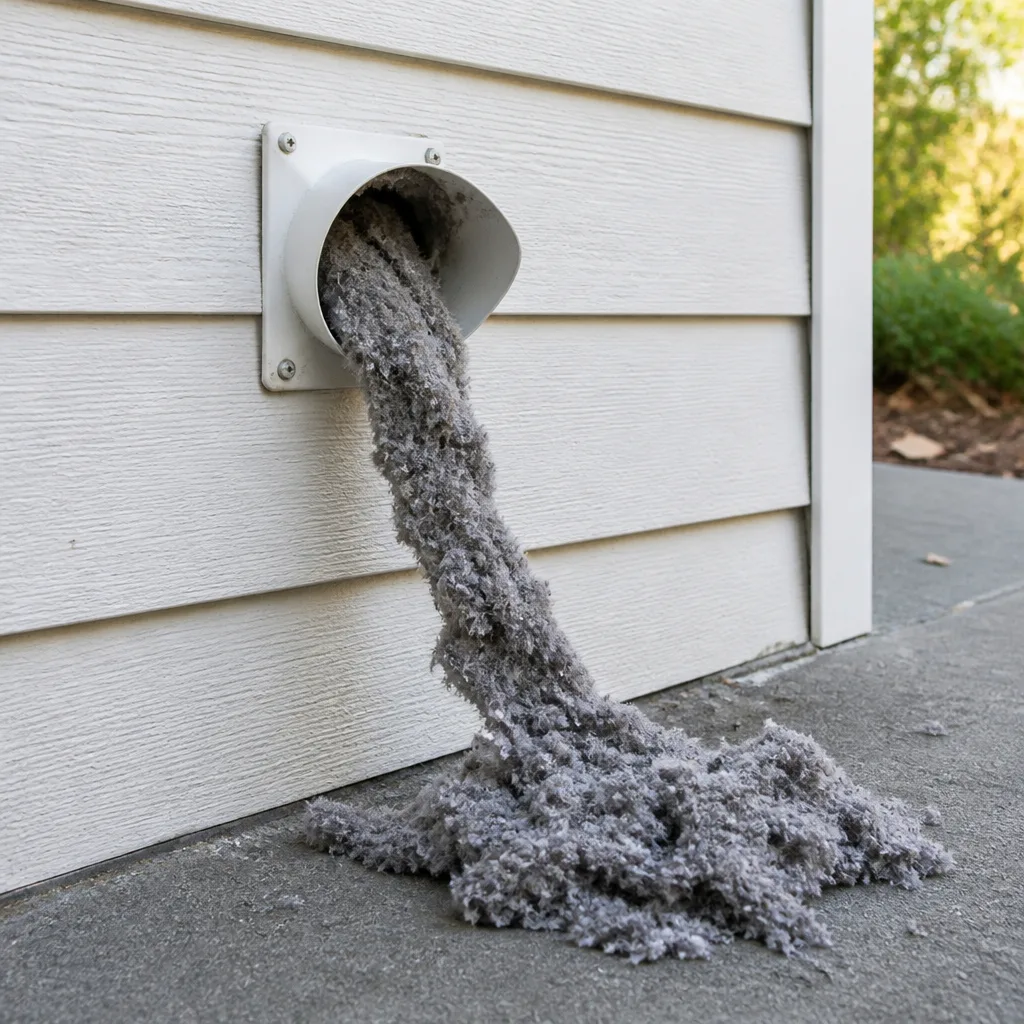 Dryer vent cleaning
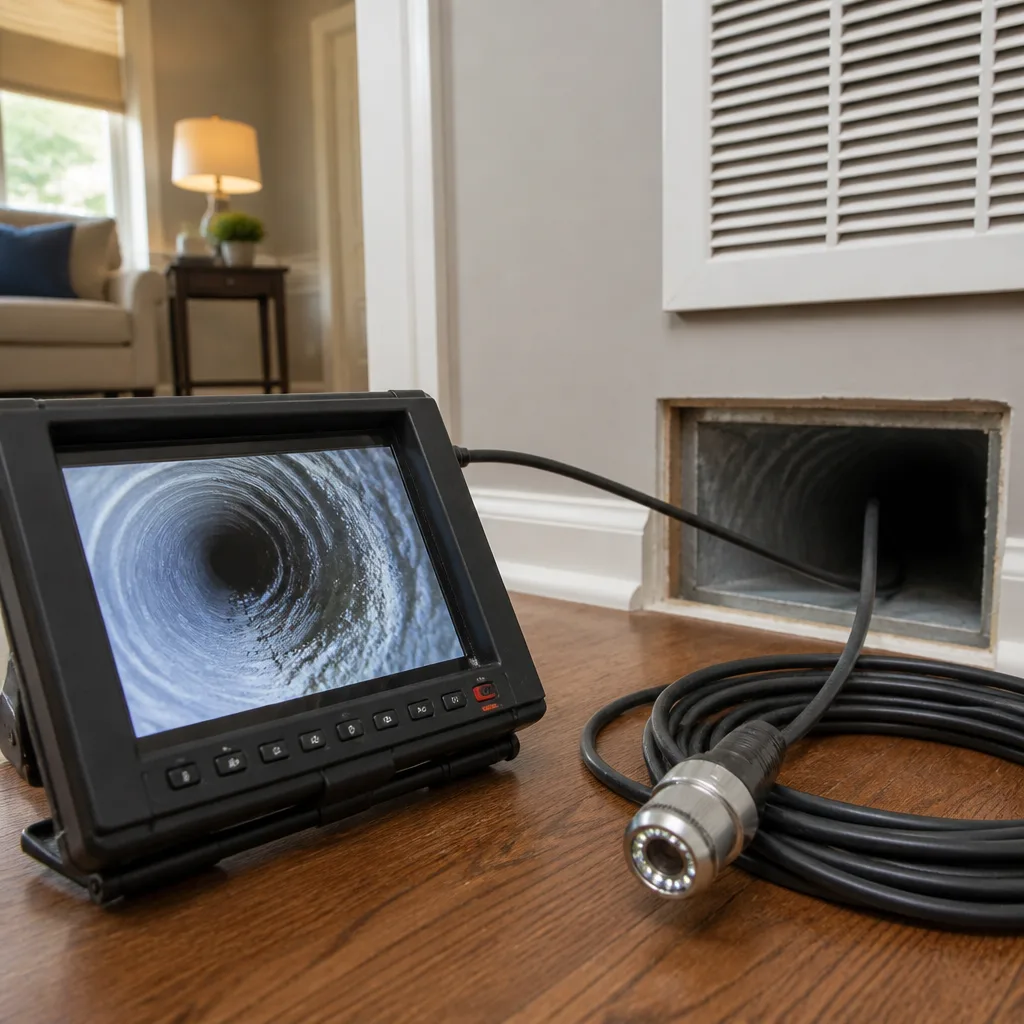 Camera inspection
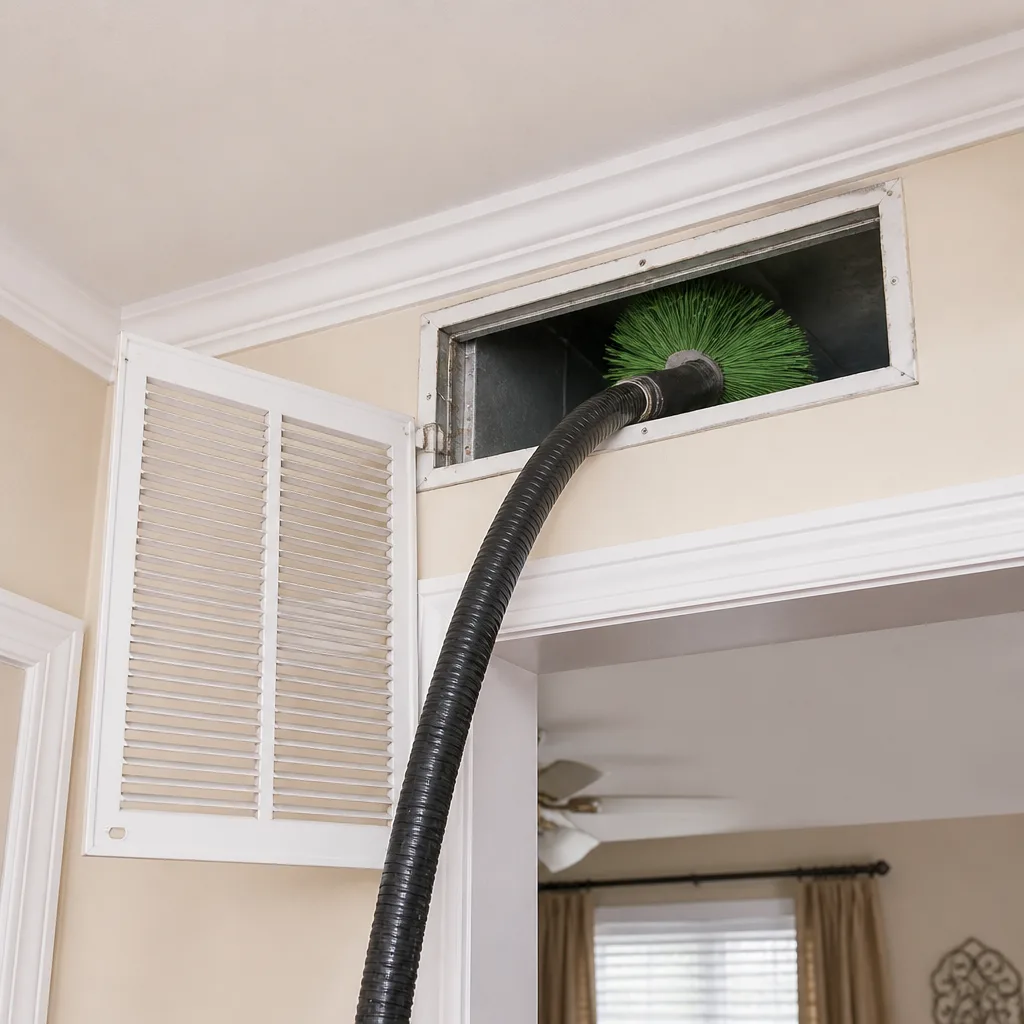 Sanitizing & deodorizing
Whole-system duct and dryer vent check with before-and-after photos - you see exactly what came out of your vents
That "$99 whole-house special" is a bait ad - the real number appears once they are in your hallway, or the "clean" is a shop-vac at the register. We photograph the inside of your ducts before and after instead.
How to Hire an Air Duct Cleaning Contractor in Provo: A Step-by-Step Guide
Most people hire a duct cleaner the same way they hire a pizza: they search, they pick the cheapest number, and they hope. That works for pizza. It doesn’t work for the one system that moves air through every room of your house, every hour, for years. The Federal Trade Commission has issued formal consumer warnings about air duct cleaning scams, where a low advertised price turns into heavy upsell pressure once a technician is inside the home. In Provo, where we work with homeowners and property managers across the valley, the difference between a clean system and a costly lesson comes down to the questions you ask before anyone shows up. This guide gives you those questions, the answers that should satisfy you, and the ones that should send you looking elsewhere. What you’ll learn: how to vet a contractor in fifteen minutes flat.
Quick Answer
To hire an air duct cleaning contractor in Provo, verify five things before booking: NADCA membership or ASCS-certified staff, proof of commercial-grade vacuum equipment (not a shop vac), liability insurance that covers duct damage, a written scope of work sent before the appointment, and verifiable local reviews. Then ask two phone questions that expose the real equipment: the CFM rating of the collection unit and whether they use rotary brush agitation or compressed air. A contractor who can’t answer both clearly is not equipped for the job.
Styles & brands we work with
- Whole-home duct cleaning
- Dryer vent cleaning
- Camera inspection
- Sanitizing & deodorizing
Table of Contents
- The Five Contractor Qualifications That Actually Matter
- Phone Questions That Reveal Equipment Quality
- How to Read a Duct Cleaning Quote Line by Line
- Utah Licensing: What the State Does and Doesn’t Require
- What a Legitimate Job Site Setup Looks Like
- How to Confirm the Work Was Actually Done
- Red Flags, Upsells, and Bait-and-Switch Patterns
- When to Call a Professional
The Five Contractor Qualifications That Actually Matter
Ignore the marketing on a duct cleaner’s website for a moment and focus on five things you can verify. If a Provo contractor clears all five, you’re likely dealing with a real operation. If they dodge two or more, keep calling.
- NADCA membership or ASCS-certified staff. The National Air Duct Cleaners Association requires members to keep at least one Air Systems Cleaning Specialist (ASCS) certified technician on staff. That certification involves testing and continuing education. It’s not a guarantee of quality, but it’s a verifiable signal that someone on the crew has been held to an industry standard.
- Commercial vacuum equipment. A real duct cleaning requires a truck-mounted or trailer-mounted vacuum with enough pulling power to establish negative pressure throughout the system. Portable units and shop vacuums cannot move the volume of air required, and in many cases they stir up more debris than they capture.
- Liability insurance that explicitly covers duct damage. Ask for a certificate of insurance. Ductwork is more fragile than it looks, and a careless brush can disconnect joints or puncture flex duct. The right coverage exists; ask to see it.
- A written scope of work delivered before the appointment. This should list how many supply and return vents will be serviced, whether the air handler will be cleaned, and what the trunk line estimate looks like. A contractor who won’t put this in writing before arriving is setting up an on-site negotiation.
- Verifiable local reviews. Google reviews with photos and detailed write-ups are harder to fake than a testimonial slider. Look for reviews that mention specifics: the equipment used, how long the job took, whether photos were shown after cleaning.
For context on what a full-scope job involves, our air duct cleaning page walks through the standard service steps. In our experience, the contractors who pass these five checks are also the ones who can describe their process without vague language.
Phone Questions That Reveal Equipment Quality
Most vetting happens over the phone, and two specific questions separate professional equipment from a consumer-grade setup. Ask these before you book, and listen carefully to the answer. A dedicated duct cleaning contractor will answer immediately, in detail, because they’ve explained it a thousand times. A bait-and-switch operator will be vague, will pivot to price, or will offer to “take a look” without committing.
“What is the CFM rating of your collection unit?”
CFM stands for cubic feet per minute, and it’s the measure of how much air the vacuum can move. A truck-mounted system should comfortably exceed 10,000 CFM, and many run significantly higher. Portable units typically top out far lower. The exact number matters less than whether the contractor knows it, and whether it’s large enough to create negative pressure across the whole system while cleaning is underway.
“Do you use a rotary brush system or compressed air agitation?”
Contact agitation is what loosens debris stuck to duct walls. Compressed air alone pushes dust around; it doesn’t scrub. A rotary brush system, like the ones in Rotobrush contact-cleaning equipment, physically scrubs the interior of the duct while the vacuum pulls loosened material out. Some contractors use both methods, and that’s fine. What you should not accept as a complete answer is “we blow it out with air.” Ask specifically what agitates the debris before extraction.
Two follow-up questions worth asking
- “Do you use HEPA filtration or negative-air containment during the job?” Abatement Technologies and similar manufacturers make negative-air and HEPA extraction equipment that keeps loosened debris contained. A contractor who uses this equipment will say so without prompting.
- “What’s your procedure for sealing the vents before cleaning?” The answer should involve taping or sealing supply and return registers to establish pressure, then working vent by vent. A contractor who doesn’t seal registers is describing a dust-storm, not a cleaning.
If you also want the system’s filtration components addressed, ask whether they service whole-home air quality equipment. We work with Honeywell and Aprilaire systems for both cleaning and advice on filtration upgrades, and a legitimate contractor in Provo should be able to speak to the filtration hardware already installed in your home. A related read is our HVAC cleaning page, which covers the air handler side of the system.
How to Read a Duct Cleaning Quote Line by Line
A written quote is the single best tool for spotting a problem before it starts. Here’s the anatomy of a legitimate quote, and where the bait-and-switch usually hides.
What should be on the quote
- Number of supply vents to be cleaned, in writing.
- Number of return vents, counted separately. Many low-ball quotes ignore returns, then charge extra once the technician is on-site.
- Trunk line footage or an estimate of main-line square footage. Long trunk runs are more time-intensive and should be priced accordingly.
- Air handler cleaning, noted as included or available as an add-on. This is the blower compartment and the coil. If it’s excluded, you should know up front.
- Return side cleaning as a separate or included line item. Return ducts typically carry more debris than supply runs because they sit before filtration.
- Equipment list, at minimum identifying the vacuum class (truck-mounted or portable) and the agitation method.
What should raise an eyebrow
- Biocide application is often presented as a “protective treatment.” There’s a legitimate role for sanitizing treatments, particularly after mold or pest issues, and Guardsman-grade products exist for this purpose. But it should be a scoped, optional line item, never a surprise add-on pushed at the end of a job. Ask what product, what evidence it addresses, and what it costs ahead of time.
- Full system replacement recommendations that appear without any inspection or diagnostic should be treated as a sales pitch. Duct cleaning is not a route to a full HVAC replacement in most cases.
- Flat-fee “whole house” pricing with no scope is the classic bait pattern. “We’ll do the whole house for one low price” means nothing unless the quote lists vents, returns, trunk lines, and air handler. Without those, the scope is whatever the technician decides once they’re inside.
One rule to keep in mind: a legitimate contractor quotes per system, not per vent, and the written estimate sets the final price. If you’re quoted a per-vent number at the phone stage, that’s a red flag. Per-vent pricing exists mostly as a mechanism to rack up charges as more vents are counted on-site. We don’t publish per-vent numbers, and you shouldn’t accept them as a basis for booking.
Utah Licensing: What the State Does and Doesn’t Require
Here’s a fact many Provo homeowners don’t realize until they start asking: air duct cleaning does not require a contractor’s license in Utah. The state’s licensing framework is designed around construction trades, electrical work, plumbing, and mechanical HVAC installation and repair. Duct cleaning, as a standalone service, falls outside that mandate. That means anyone can legally advertise duct cleaning services in Provo without a license, and that means your verification burden shifts entirely to certifications and insurance.
This is exactly why the vetting protocol in this guide matters so much. In states where licensing is required, you can pull a license number and check it against the state database. In Utah, no such gate exists. What fills the gap:
- NADCA membership, which is voluntary but requires a certified technician on staff.
- ASCS certification, verifiable through the certification body.
- Liability insurance, with a certificate you can request and verify.
- A signed written estimate before work begins, which establishes the scope and price.
Note also that anyone performing mechanical work beyond cleaning, such as duct repair, air sealing, or HVAC component repair, may need to fall under a licensed mechanical contractor’s umbrella. When you hire for duct repair and sealing, ask whether the scope crosses into licensed territory and who holds that license. Cleaning alone usually doesn’t. Repair does, depending on scope. An honest contractor will tell you which is which.
Since licensing isn’t a backstop in Provo, reviews carry more weight than usual. Look for reviews that describe the specific job, and look across more than one platform. A single glowing review on a contractor’s own website isn’t verification. A pattern of detailed Google reviews with photos is closer.
What a Legitimate Job Site Setup Looks Like
You’ve vetted, you’ve booked, the technician has arrived. This is the phase where you can observe and quietly confirm that the process matches what you were told on the phone. The setup sequence for a proper job follows a predictable order, and if it doesn’t, something is wrong.
- Negative pressure is established before any agitation. The vacuum unit is connected to the system, typically at a main trunk access point, and runs for a minute or two. The technician should be able to confirm the system is under pressure before a brush or air tool goes inside. If they start agitating immediately without establishing suction, debris goes into the living space.
- Supply and return registers are sealed. This is the step that keeps dust from puffing out of the vents while the system is being scrubbed. Every register not currently being serviced should be covered. Watch for it. A crew that skips this step is not containing the debris they’re loosening.
- Agitation happens inside the duct, under pressure. Whether rotary brush or compressed air, agitation runs while the vacuum is pulling. When the brush reaches a register, the technician opens the register access point to extract loosened material into the vacuum. This is the noisiest phase, and it’s also the phase where containment matters most.
- Air handler is cleaned after the duct runs. The blower compartment, coil, and drain pan are addressed after the main ducts. If your quote included air handler cleaning, this is where it happens.
- Post-cleaning verification. This is the last phase. The technician should show you before-and-after documentation (photos of duct interiors at the same points), run the system briefly to check airflow, and re-seal any access points they opened. Ask about anything they saw during cleaning that might need follow-up.
Watch for HEPA filtration or negative-air equipment being used on-site. Abatement Technologies equipment, for example, is often deployed to capture debris at the source rather than letting it spread through the home. If a contractor claims to use this kind of equipment, it should be visible on-site, not just in the marketing.
How to Confirm the Work Was Actually Done
The most common frustration after a duct cleaning job isn’t poor cleaning; it’s the inability to confirm anything was cleaned at all. This is where you protect yourself on the way in. A contractor who documents before-and-after is a contractor who can prove the work.
Here’s what to request at the estimate stage and confirm at the end:
- Before-and-after photographs of your duct interiors, taken at identifiable access points. This is the single most useful proof a contractor can offer. We photograph our own jobs for exactly this reason: so you know what was and wasn’t done.
- Confirmation of access points opened and re-sealed. Any cut should be re-sealed with mastic or professional tape, never left open.
- Airflow check at registers. Run the system briefly after the job and confirm airflow at each register feels the same or better than before.
- A written closeout summarizing what was cleaned, what if anything was found during cleaning, and any follow-up recommendations. Optional, but a sign of a professional operation.
One legitimate follow-up that isn’t just an upsell: if the technician finds disconnected duct runs or significant leaks during cleaning, duct repair and sealing addresses the root cause rather than patching the symptom. Leaky ducts undercut air quality and energy efficiency, and cleaning without sealing leaves a system that will re-dirty faster. If this is flagged, ask for the evidence (photos, pressure readings), the scope of repair, and the price in writing before you commit.
Red Flags, Upsells, and Bait-and-Switch Patterns
The FTC’s consumer warnings about duct cleaning scams aren’t theoretical. Common patterns in Provo and elsewhere:
- A price that seems too low to cover the job. A duct cleaning that requires truck-mounted equipment, HEPA containment, and several hours of technician time has real costs. A quote that’s drastically below the local market is a lead-in price, and the actual bill will rise once the technician is inside.
- Pressure to add services on-site. “We noticed the return side needs a separate treatment” or “we’ll need to add biocide for a health concern” delivered after the work has started is the classic upsell. Everything should be scoped in writing before arrival.
- No written scope at the estimate stage. If the contractor won’t put vent counts, trunk line treatment, air handler coverage, and equipment specs in writing, you’re booking an open-ended negotiation.
- Claiming to be NADCA-certified when they’re not. NADCA membership and ASCS certification are verifiable. Ask for the name of the certified technician and confirm it.
- Ambiguous equipment answers. “We use professional equipment” is not an answer. “We use a truck-mounted unit rated above 10,000 CFM with rotary brush agitation and HEPA filtration at the exhaust” is an answer.
- Same-day “we can come out in an hour” availability from a cold call. Legitimate duct cleaning operations book scheduled work, not immediate drop-ins, and a cold call selling duct cleaning is an extremely common scam entry point.
- Cash-only payment and no invoice. A legitimate contractor issues a written invoice for the work performed, regardless of payment method.
See the difference
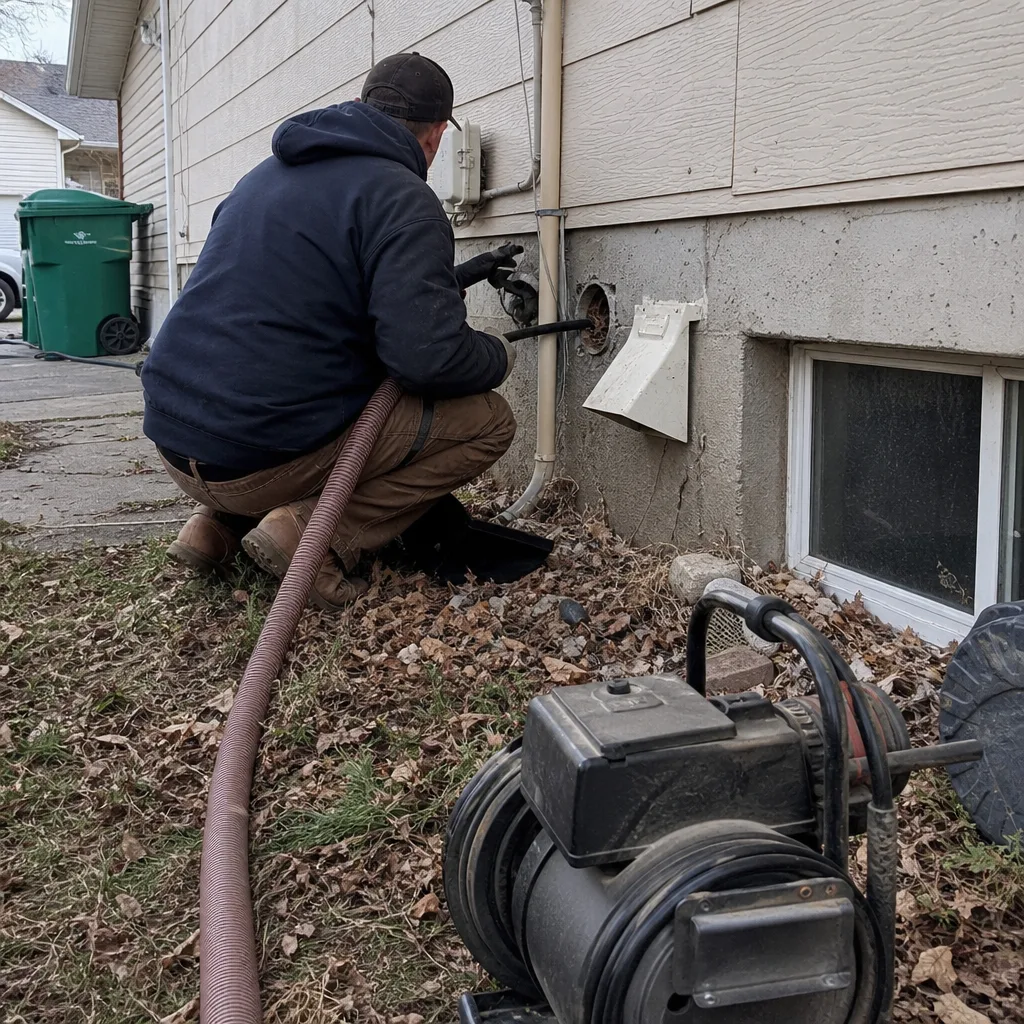 Before
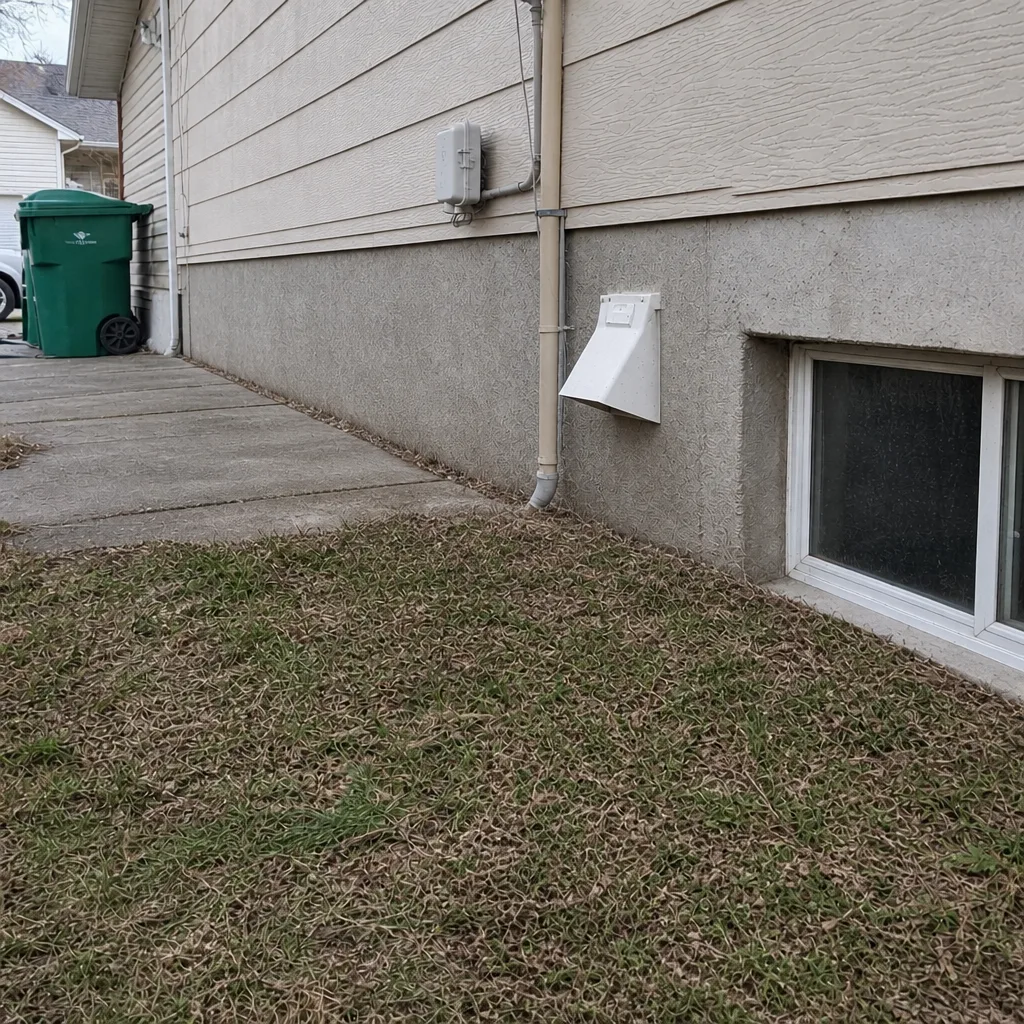 After
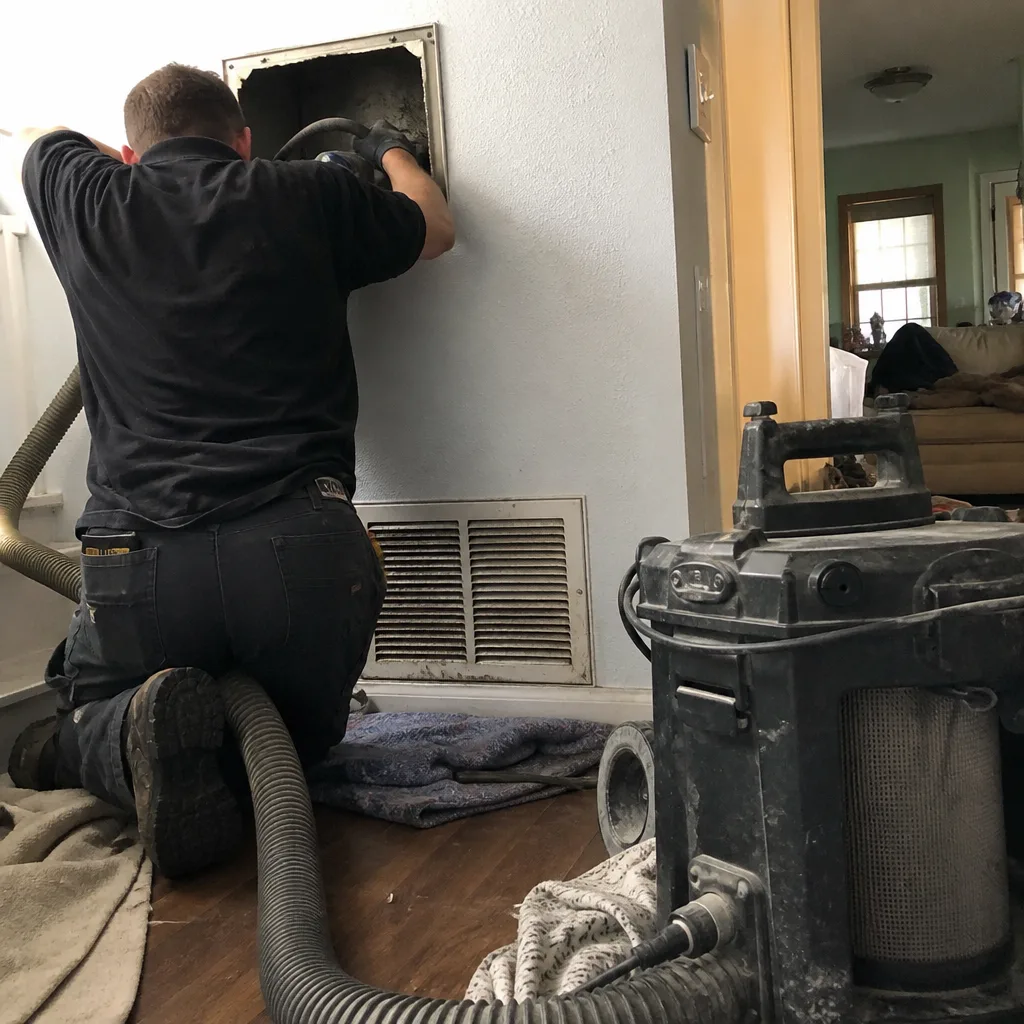 Before
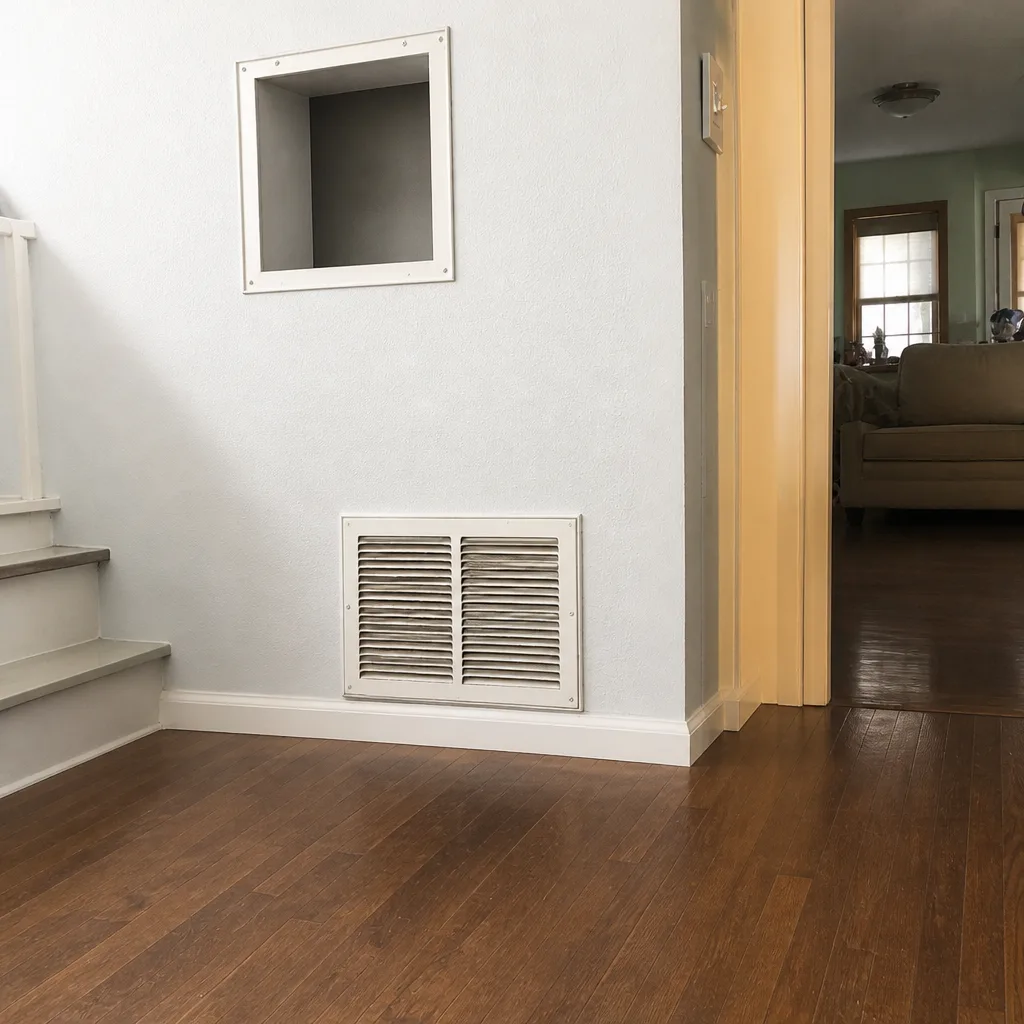 After
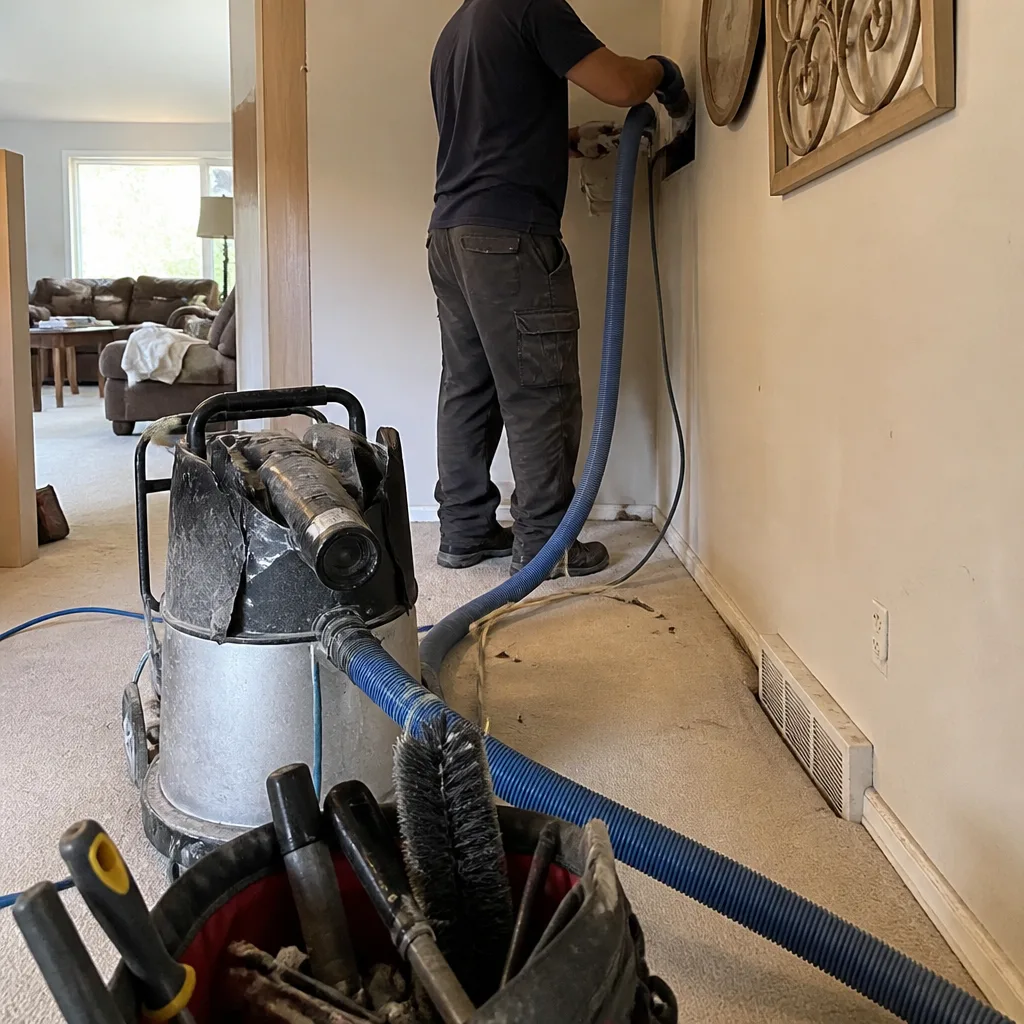 Before
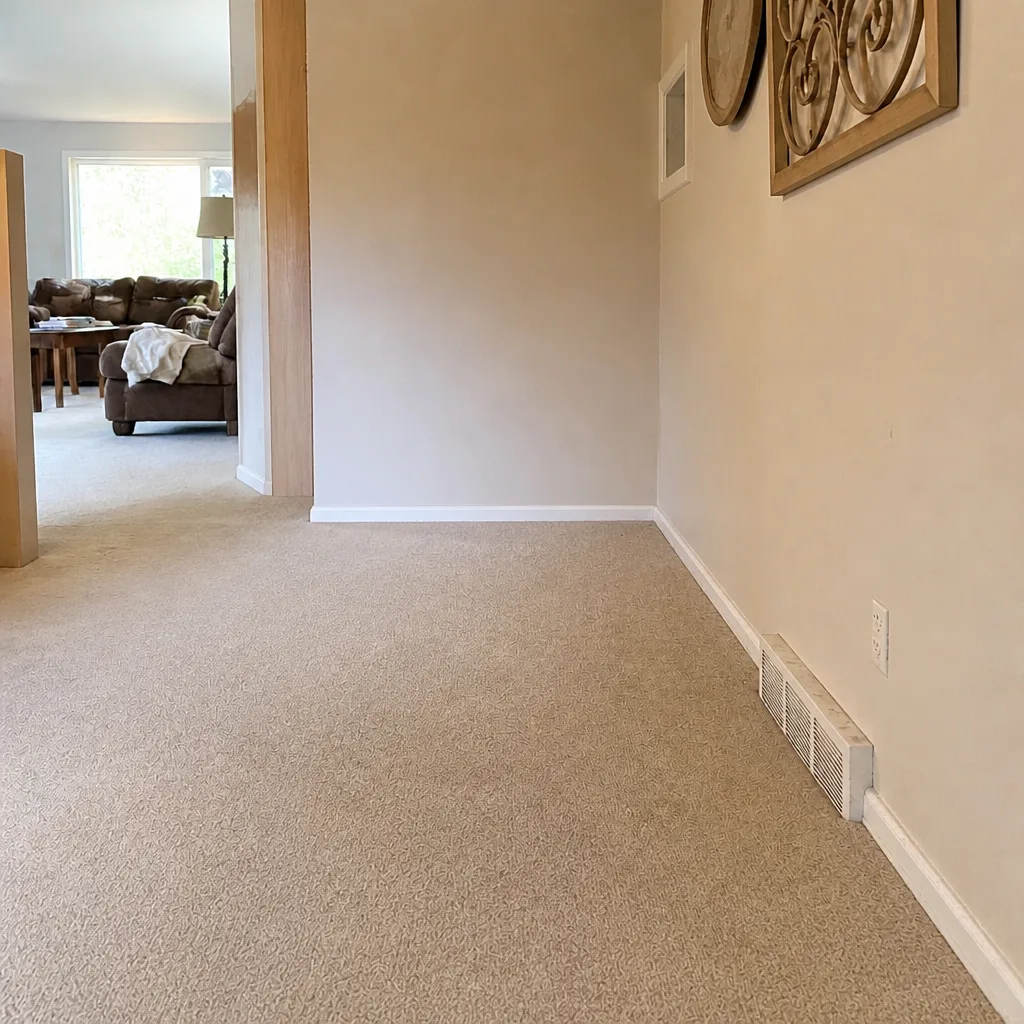 After
Common Mistakes to Avoid
- Booking on price alone. The cheapest quote is almost always the highest final bill. Judge quotes against the line items, not against each other’s headline number.
- Skipping the phone questions because the reviews look good. Reviews are one data point. The CFM and agitation questions catch operations that have learned to write convincing reviews but still arrive with a shop vac.
- Assuming Utah licensing protects you. It doesn’t for duct cleaning. That’s why insurance verification and NADCA membership matter here in a way they might not in a state with a licensing gate.
- Not asking how returns are handled. Some quotes count supply vents only and treat returns as an unmentioned add-on once the technician is inside. Ask about returns before booking.
- Ignoring the air handler in the quote. Cleaning ducts but leaving the blower and coil dirty means the system re-dirties itself quickly. Whether or not it’s included, get clarity.
- Not requesting before-and-after photos. Without them you have no way to confirm the work. A contractor who does the work correctly will photograph it.
- Accepting a wholistic “whole house” flat fee without scope. Flat fees are fine only if they’re attached to a specific, written scope. Otherwise, the flat fee is a starting point, not a price.
When to Call a Professional
Duct cleaning isn’t a routine annual service for every home, but certain situations make it worth booking. If you’ve just finished a renovation that generated drywall or sawdust dust, if you’ve moved into a home with unknown duct history, if pets have been in the house for years, if anyone in the household deals with allergies, or if you’ve noticed visible dust accumulating around registers shortly after cleaning or filter changes, a professional evaluation is warranted. Visible mold inside ducts, pest activity, or a refrigerant coil that has been running with a dirty filter for a long stretch are other triggers. Provo’s dry climate and the valley’s seasonal dust contribute to faster dust accumulation than many homeowners expect, particularly in homes with forced-air systems running long hours during summer and winter.
Provo Air Duct Cleaning Pros offers free estimates in Provo. Call (866) 937-8191. We answer 24/7. Fast dispatch from 7am to 7pm, Sunday through Friday. Our technicians have up to 10 years of experience, and we show our work with before-and-after photos of your own system. Learn more about our dryer vent cleaning service if the dryer has been running hotter than usual or taking longer to dry loads.
Frequently Asked Questions
Air duct cleaning in Provo is priced per system, not per vent, and the exact price is set by the written estimate after the technician assesses the number of vents, trunk line footage, and air handler condition. Per-vent pricing is a bait-and-switch pattern and you should decline it. A legitimate contractor quotes a system price in writing before arrival. Call (866) 937-8191 for a free estimate – estimates are free.
Cheap quotes are usually based on per-vent teaser pricing that balloons once the technician is inside, or they replace truck-mounted vacuum equipment with portable units that can’t establish proper negative pressure. The cheap quote doesn’t reflect the actual job; it reflects a starting bid. Ask for scope in writing and the equipment specs before you compare any two quotes. Call us for an honest whole-system range – (866) 937-8191, estimates are free.
Ask for before-and-after photographs of your duct interiors taken at identifiable access points, and confirm that access points were re-sealed. A contractor who documents the job is proving the work; a contractor who doesn’t is asking you to trust. We photograph every job. Call (866) 937-8191 to schedule.
Most homes don’t need duct cleaning on a fixed schedule; the timing depends on pets, renovations, allergies, and how the system has been maintained. Homes with pets, recent drywall work, or allergy concerns typically benefit more often than homes without those factors. Ask for an assessment rather than a recurring plan. Call (866) 937-8191 to book a free estimate.
No. Air duct cleaning as a standalone service does not require a contractor’s license in Utah. That means verification shifts to NADCA membership, ASCS certification, liability insurance, and written scope of work. Confirm each of those before booking. For a Provo estimate, call (866) 937-8191.
It depends on what’s changed since: a renovation, a new pet, a move, or visible dust returning to registers are all grounds to reassess. If nothing has changed and the system was properly cleaned and sealed, another cleaning probably isn’t necessary. If the ducts weren’t sealed after the last cleaning, leaks may have re-introduced debris faster. A free evaluation can tell you. Call (866) 937-8191.
The Bottom Line
The duct cleaning industry has earned its reputation for bait-and-switch, and Provo homeowners are better served by vetting before booking than by shopping on price. The five qualifications to verify are NADCA membership or ASCS certification, proof of commercial vacuum equipment, liability insurance, written scope of work, and verifiable local reviews. Ask the two phone questions about CFM and agitation to expose the equipment. Read the quote line by line and reject flat-fee “whole house” pricing without scope. Confirm the job site setup follows the containment-before-agitation sequence, and request before-and-after photos before the job starts. Since Utah doesn’t require a contractor’s license for duct cleaning, those verification steps are your only protection. A short phone call now prevents a surprise invoice later.
If you want a straight answer on what a whole-system cleaning involves for your home, our team at Provo Air Duct Cleaning Pros walks through the equipment, the process, and the price before anything gets booked. Reach us at (866) 937-8191 for a free estimate. We answer 24/7. Fast dispatch from 7am to 7pm, Sunday through Friday. The local pro we connect you with is licensed and insured as their state requires.
Written by the team at Provo Air Duct Cleaning Pros.