
Last updated November 24, 2026
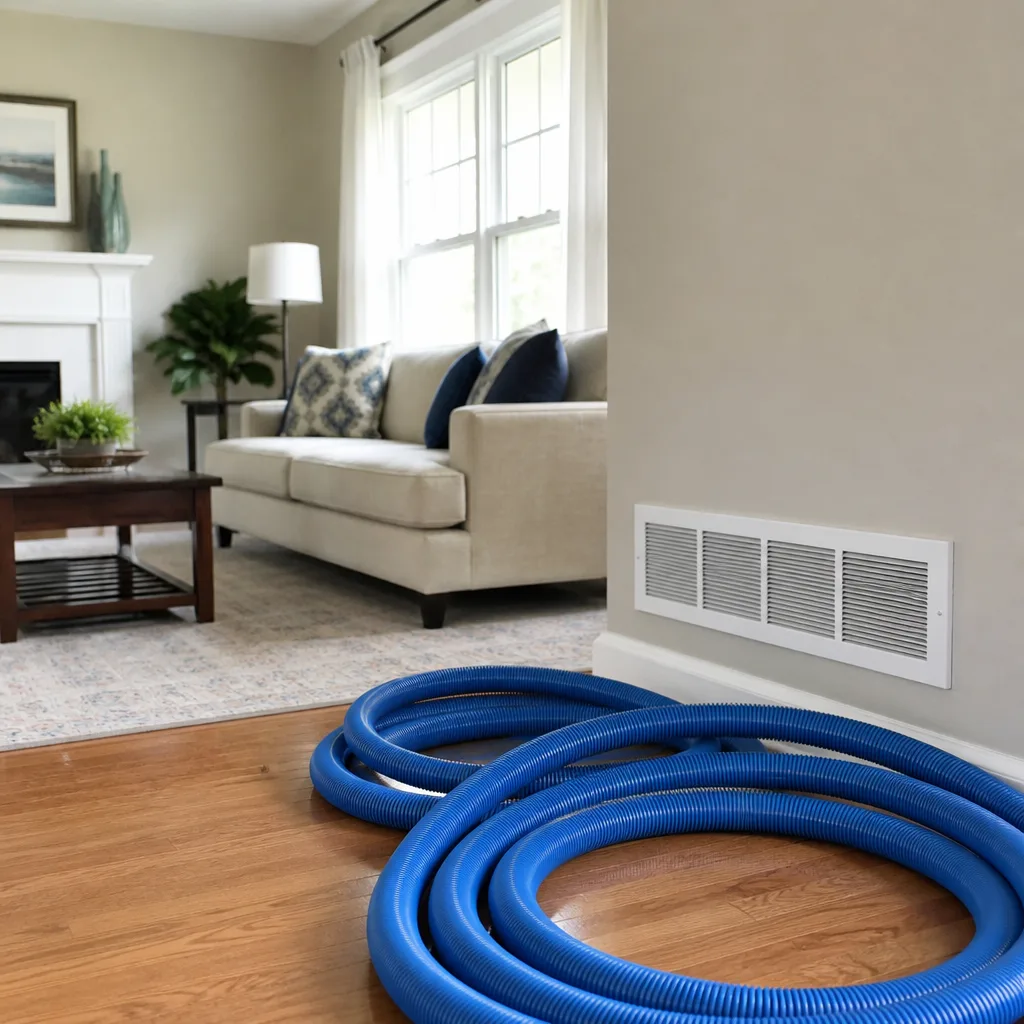 Whole-home duct cleaning
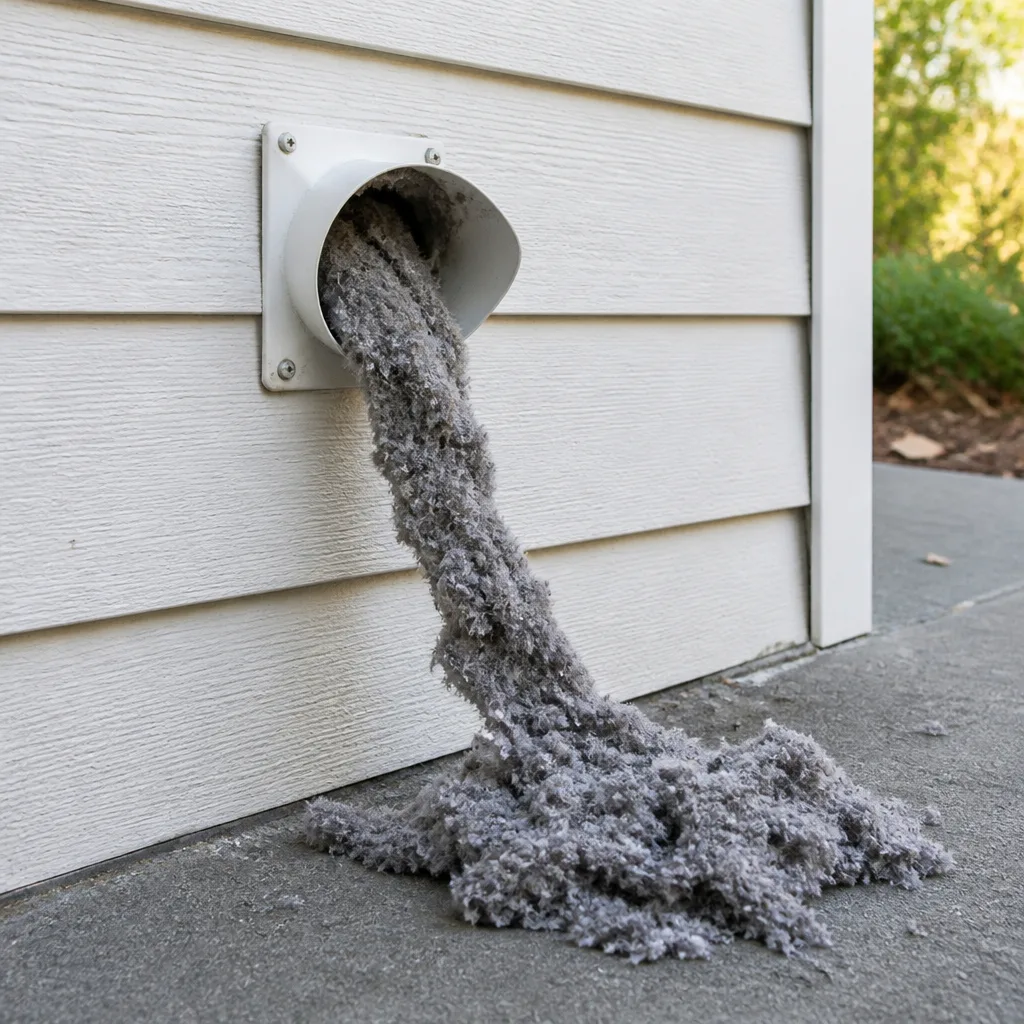 Dryer vent cleaning
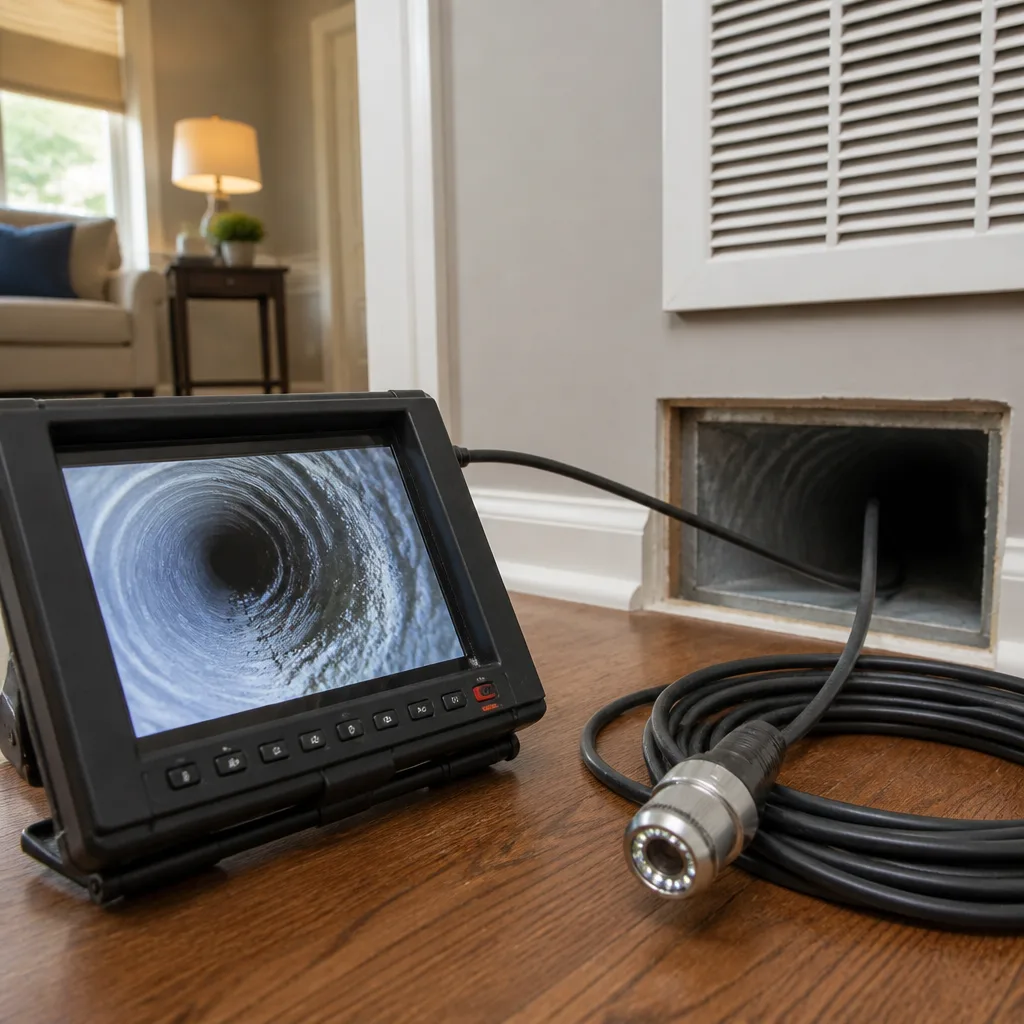 Camera inspection
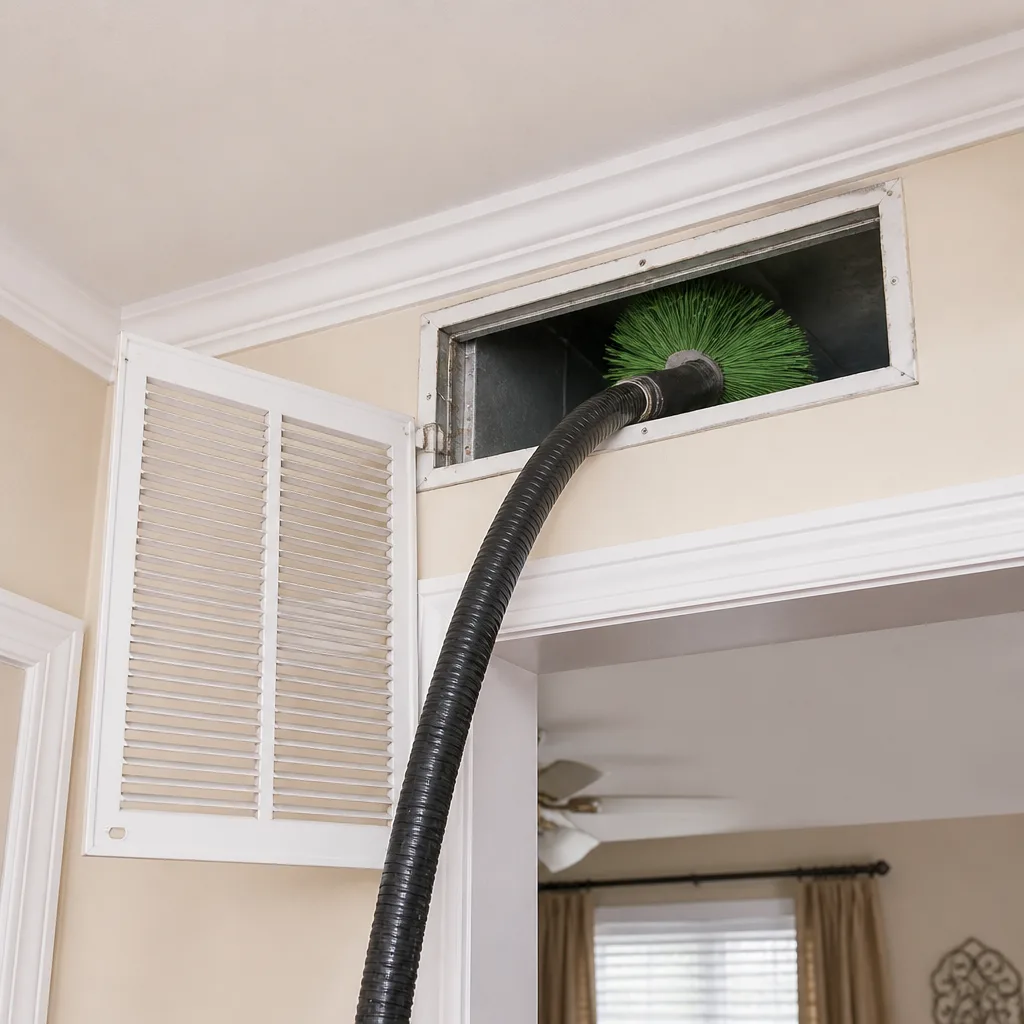 Sanitizing & deodorizing
Whole-system duct and dryer vent check with before-and-after photos - you see exactly what came out of your vents
That "$99 whole-house special" is a bait ad - the real number appears once they are in your hallway, or the "clean" is a shop-vac at the register. We photograph the inside of your ducts before and after instead.
The Complete Guide to Air Duct Cleaning in Provo
Most people think duct cleaning means vacuuming the vents. That’s the smallest part of the job, and on its own it barely changes the air in your home. Your ducts are a connected pathway that carries air through every room, every hour, and contamination that sits in the air handler or the trunk lines keeps circulating long after the registers look clean. So this guide doesn’t start at the vent cover. It starts at the air handler and walks the whole system, with the Provo-specific climate factors that make buildup here different, the NADCA standard a real job has to meet, and how to tell a legitimate cleaning from a quick dust stir.
Quick Answer
Air duct cleaning in Provo is a full-pathway job: source removal from the return intake, air handler, trunk lines, branch runs, and supply registers, done under negative pressure with contact cleaning so loosened debris leaves the system instead of spreading into your rooms. It’s worth doing when you can see or smell buildup, after a renovation or rodent problem, or when allergies and dust keep coming back despite clean filters. A legitimate job meets NADCA’s ACR 2021 standard; a cheap one usually cleans two of the five components and leaves the rest undisturbed.
Styles & brands we work with
- Whole-home duct cleaning
- Dryer vent cleaning
- Camera inspection
- Sanitizing & deodorizing
Table of Contents
- Why Provo’s Climate Makes Duct Buildup Worse
- The Five Components of Your Air Pathway
- What NADCA ACR 2021 Actually Requires
- Negative Pressure vs. Blow-and-Go Cleaning
- When Cleaning Alone Isn’t Enough: Sealing and Sanitizing
- The Equipment That Separates Pros From Pretenders
- How Much Air Duct Cleaning Costs in Provo
- Common Mistakes to Avoid
Why Provo’s Climate Makes Duct Buildup Worse
Provo sits in a high-altitude desert valley, and that shapes what ends up in your ducts. Summers are dry and dusty, with fine particulate from bare ground, construction, and wind that finds its way into return air. Winter brings cold, dry air and the inversions that settle over Utah Valley, trapping particulate near the ground for days. Every hour your system runs, it pulls that outside air through the return and pushes it through the same ducts, and the dust that doesn’t stay airborne settles on duct walls, in the air handler, and on the blower wheel.
Altitude matters too. At Provo’s elevation the air is thinner, so systems move a given volume of air with different pressure characteristics than at sea level. That’s one reason duct leakage hurts more here: a system already working harder to condition thin, dry air loses efficiency fast when the trunk lines leak into a crawlspace or attic.
- Dry summers mean dust stays light and gets pulled in through every return.
- Winter inversions concentrate particulate in the valley, which is exactly what your filters and ducts are catching.
- Cold, dry winters mean long runtimes and more air cycled through the system.
- Rapid construction and renovation across the valley push drywall dust and sawdust into return air.
Homeowners in neighborhoods like Edgemont, Grandview, and the avenues above downtown tend to see this differently based on home age and system type, but the underlying mechanism is the same: what settles in the ducts keeps getting stirred back into the airstream.
The Five Components of Your Air Pathway
Most duct cleaning guides treat your ducts as one thing. They’re five, and they work together. Cleaning one or two of them doesn’t clean the system; it just moves contamination from a place you can’t see to a place you can. Here’s the full pathway and why each part matters.
- Return air intake. Where air enters the system, usually through grilles in hallways or a central return. It catches the largest debris first and is often the most soiled part of the pathway. Skipping it means every downstream component gets recontaminated on the next cycle.
- Air handler. The blower, evaporator coil, and cabinet. This is where airflow actually happens, and where a dirty blower wheel quietly cuts efficiency. It’s also the spot most cheap cleanings never touch, because reaching it takes real disassembly and containment.
- Main trunk lines. The large runs that carry conditioned air from the air handler. Trunks are long, so surface area is high and debris accumulates along the bottom and at every transition.
- Branch runs. The smaller ducts that feed individual rooms. These are where a blow-and-go operation leaves debris parked, then blows it into a bedroom when the system next runs.
- Supply registers. The grilles and boots where air reaches the room. They look clean from below even when the boot behind them is packed with dust, so they need to be cleaned from the inside out, not just wiped.
When every one of these is cleaned under negative pressure in sequence, the system is genuinely clean. When two of them are cleaned and three aren’t, you’ve paid to move dirt around. That’s the single most important distinction in air duct cleaning, and it’s why we start at the air handler and work outward rather than the reverse.
What NADCA ACR 2021 Actually Requires
NADCA’s ACR 2021 standard is the industry’s reference document for what a duct cleaning job must do to count as source removal. It’s how you verify a contractor instead of trusting a sales pitch. The key requirements:
- Source removal, not surface wiping. The objective is to remove contaminants from the system, not to seal them in or push them downstream.
- Negative pressure during cleaning. The system must be under vacuum while contact cleaning loosens debris, so the debris is captured rather than recirculated into occupied space.
- Cleaning of all accessible components. That means the air handler, supply and return ducts, registers, grilles, diffusers, and coils, not just the visible vent covers.
- Containment and filtration. The work area and the air being handled should be contained so debris doesn’t escape into the home.
- Verification and documentation. Photos and a visual check after cleaning, so the homeowner can confirm the work was done.
Ask any contractor you’re considering which standard they clean to and whether they can show before-and-after photos of your own ducts. A company that works to ACR 2021 will answer without hesitating. A blow-and-go operation usually won’t know what you’re asking, or will pivot to the price of the visit.
Negative Pressure vs. Blow-and-Go Cleaning
Negative-pressure cleaning and blow-and-go cleaning look similar from the driveway. They’re not. Negative-pressure cleaning pulls the whole system under vacuum, then uses contact cleaning (brushes and air whips) to loosen debris from duct walls while HEPA extraction captures it at the source. Blow-and-go cleaning reverses the order: it agitates dust with compressed air and lets the system’s own airflow push the loosened debris toward open registers, where it lands on floors, furniture, and people.
How to tell the difference before you hire:
- Ask how they contain the debris. A legitimate answer involves a vacuum source connected to the system and HEPA filtration in the work area. Vague answers about “high-powered vacuums” are a warning sign.
- Ask whether they seal registers with covers during cleaning. Negative-pressure work uses register covers so every opening is under vacuum, not open to the room.
- Ask if they’ll show you the vacuum equipment. Truck-mounted or high-CFM portables are standard. Consumer shop vacuums aren’t.
- Ask for before-and-after photos of your ducts. This is your proof the work happened, and a real company will offer it without being asked.
- Check the quote structure. Per-vent pricing suggests a fast surface job. Whole-system pricing tied to a written estimate suggests actual source removal.
At Provo Air Duct Cleaning Pros, our Provo Air Duct Cleaning Pros team uses Rotobrush contact-cleaning and Nikro HEPA-extraction equipment on every job, with Abatement Technologies containment set up on site. That’s not marketing language; those are the systems that make the difference between removing debris and redistributing it.
When Cleaning Alone Isn’t Enough: Sealing and Sanitizing
Cleaning a duct system that leaks is a temporary fix. The same way air escapes from leaks, contaminants get back in. That’s why sealing is a separate, important step in specific scenarios, and why we treat cleaning, sealing, and sanitizing as distinct services rather than bundling them by default. Here are the situations where cleaning alone isn’t enough:
- Post-renovation. Drywall dust, sawdust, and construction particulate get pulled into the return within days of demo starting. Cleaning alone removes what’s present; sealing and sanitizing address what got deposited on duct surfaces and reduce future infiltration.
- Rodent intrusion. Rodents leave droppings, nesting material, and contamination that a mechanical clean removes but doesn’t always neutralize. Sanitizing after cleaning matters here. So does sealing the entry points that let them in, or you’ll be back in the same spot.
- Mold indicators. Visible growth, musty odors that return after cleaning, or moisture staining on duct surfaces point to a moisture source. Cleaning removes the surface problem; sealing and addressing the moisture are what prevent the return.
- High leakage duct systems. Trunk lines in attics and crawlspaces often have gaps at joints, seams, and boots. Sealing them tight directly improves both air quality and energy use, because you’re no longer pulling crawlspace or attic air into the living space.
- Whole-home filtration upgrades. If you’re already adding a Honeywell or Aprilaire filtration system, sealing first picks up efficiency across the whole pathway, and the filter does its job without paying for leakage.
If you’re not sure which applies to you, that’s what a free estimate is for. We’ll look at the actual system and tell you what the priority order is, not just quote a cleaning.
The Equipment That Separates Pros From Pretenders
You don’t need to know brand names to hire a duct cleaner, but knowing what the equipment does helps you tell a real job from a sales visit. The categories that matter:
- Contact cleaning systems. Rotobrush systems are the industry standard for residential duct contact cleaning: rotating brush heads and air whips that scrub duct walls from the inside while a vacuum source captures what’s loosened. Commercial and restoration contractors use the same systems, which is a reasonable proxy for the level of cleaning.
- HEPA extraction. Nikro HEPA extraction captures fine particles at high efficiency, so what’s scrubbed off the ducts leaves the system rather than ending up in your room air.
- Negative-air containment. Abatement Technologies filtration equipment runs during every job to hold the work area under negative pressure and capture loosened debris at the source. This is the single biggest protection a homeowner has against recirculated dust during the cleaning itself.
- Sanitizing and protective treatment. Guardsman-grade products are available for sanitizing and protecting duct interiors after cleaning, which matters in the post-renovation, rodent, or mold-indicator scenarios above.
- Filtration and humidity equipment knowledge. Whole-home filtration and humidity systems from Honeywell and Aprilaire need service too. A duct cleaner who works with these systems can clean, advise, and service them; a generalist often can’t.
Our technicians have up to 10 years of experience with this equipment, and we name the systems because we want you to ask questions about them. If a competitor uses the same equipment well, great; if they can’t describe what they use, you have your answer.
How Much Air Duct Cleaning Costs in Provo
Air duct cleaning in Provo is priced per job by a written estimate, not per vent and not by a coupon figure. A whole-system cleaning that meets the standard described above typically runs higher than the teaser prices you’ll see advertised, and that’s the point: you’re paying for source removal of five components, not a visit that cleans two. Here’s how to think about the decision:
- Whole-system cleaning covers the return intake, air handler, trunk lines, branch runs, and supply registers, and includes containment and before-and-after documentation.
- Dryer vent cleaning is priced separately and is worth doing on its own schedule: it’s a fire-safety service, not a comfort add-on. (More on that below.)
- Duct repair and sealing is priced after inspection, because it depends on how much leakage the system has and where it is.
- Sanitizing is added when the scenario calls for it (post-renovation, rodent, mold indicators), not as an upsell on every visit.
What we won’t do is quote a low teaser and hand you a larger invoice once the equipment is set up. One flat price per system, agreed before work starts, with the written estimate setting the final number. If you’re comparing quotes in Provo and one is dramatically cheaper, ask what’s included and whether the air handler is on the list.
For dryer vent cleaning, the stakes are different. Lint accumulation in the vent run is a leading cause of dryer fires, and a clogged vent also drags a dryer down until it takes multiple cycles to dry a load. If you can’t remember when it was cleaned last, it’s due. We use the same extraction equipment for vent runs, and the before-and-after is often striking.
And if your heating and cooling system itself is the issue, HVAC cleaning covers the evaporator coil, blower, and cabinet surfaces that duct cleaning alone doesn’t touch. A dirty coil and a clean duct system still produce poor airflow and higher bills.
Common Mistakes to Avoid
- Hiring on price alone. The cheapest quote is usually a per-vent price for a surface job that touches two of the five components. Ask what’s included in writing before you commit.
- Skipping the air handler. It’s the most important component and the one most cheap cleanings avoid, because disassembly and containment take time. If a quote doesn’t include the air handler, it’s not a full-system clean.
- Believing the “seal the debris in” pitch. Sealing contamination against duct walls is not cleaning. Source removal is the standard; anything else is a shortcut.
- Cleaning without addressing leaks. A thorough cleaning in a leaking system gets you maybe a season before the same contamination returns. Sealing is the step that holds the result.
- Ignoring dryer vent cleaning. Dryer vents are part of the air pathway too, and they’re the one component of this conversation with a fire risk attached. Don’t treat them as an afterthought.
- Paying for sanitizing as a default upsell. Sanitizing is a real service for real scenarios. When it’s not indicated, don’t pay for it.
- Choosing a company that can’t show before-and-after photos. The photos are the one piece of proof that the work actually happened, on your system, on the day it happened.
Provo homeowners get pitched a lot in this industry. The defense is simple: know the five components, know the standard, ask for proof.
See the difference
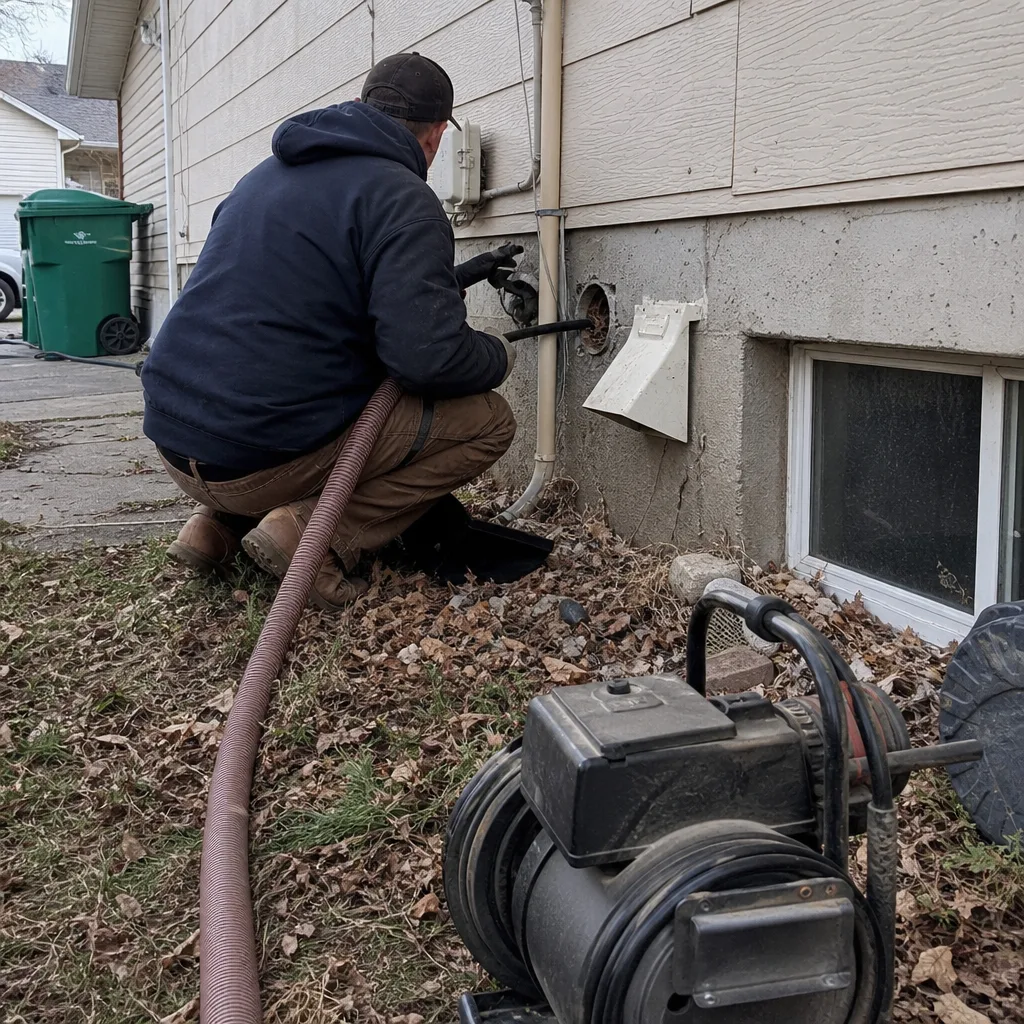 Before
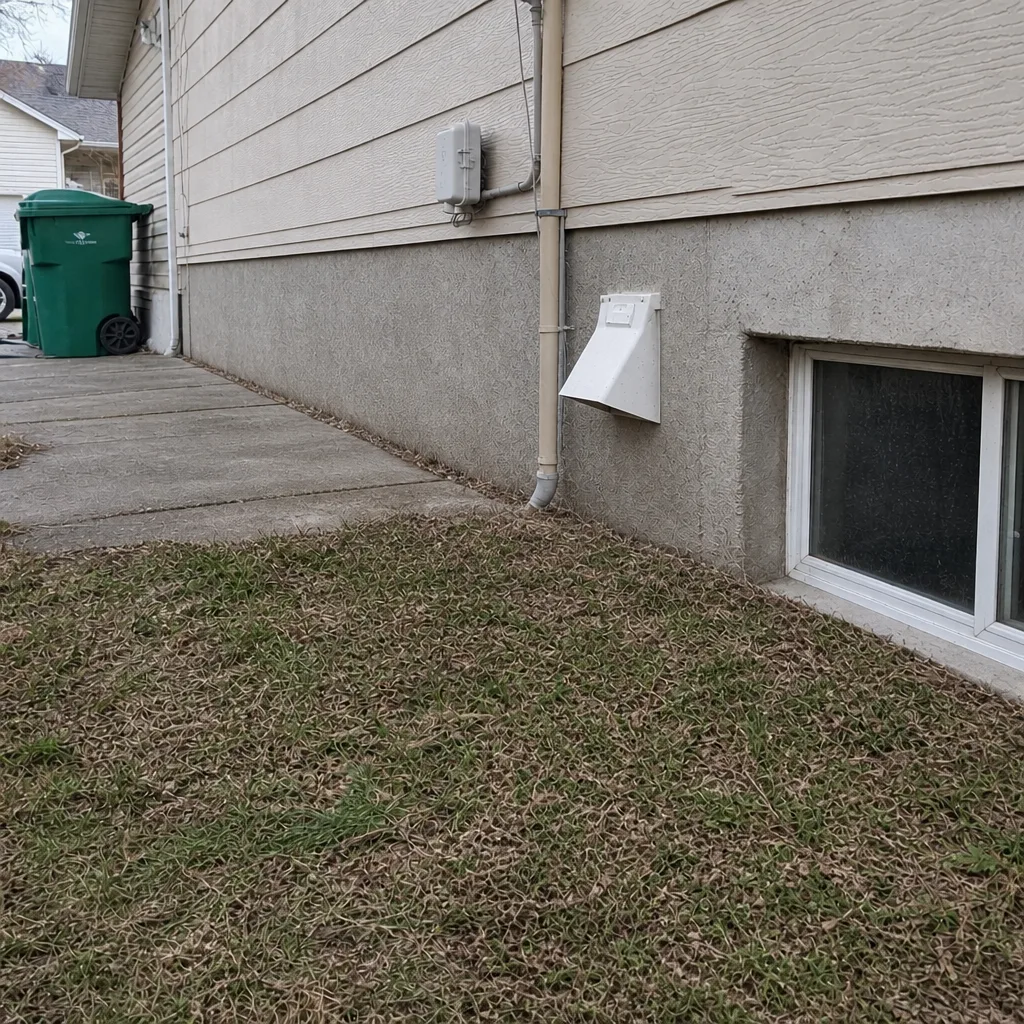 After
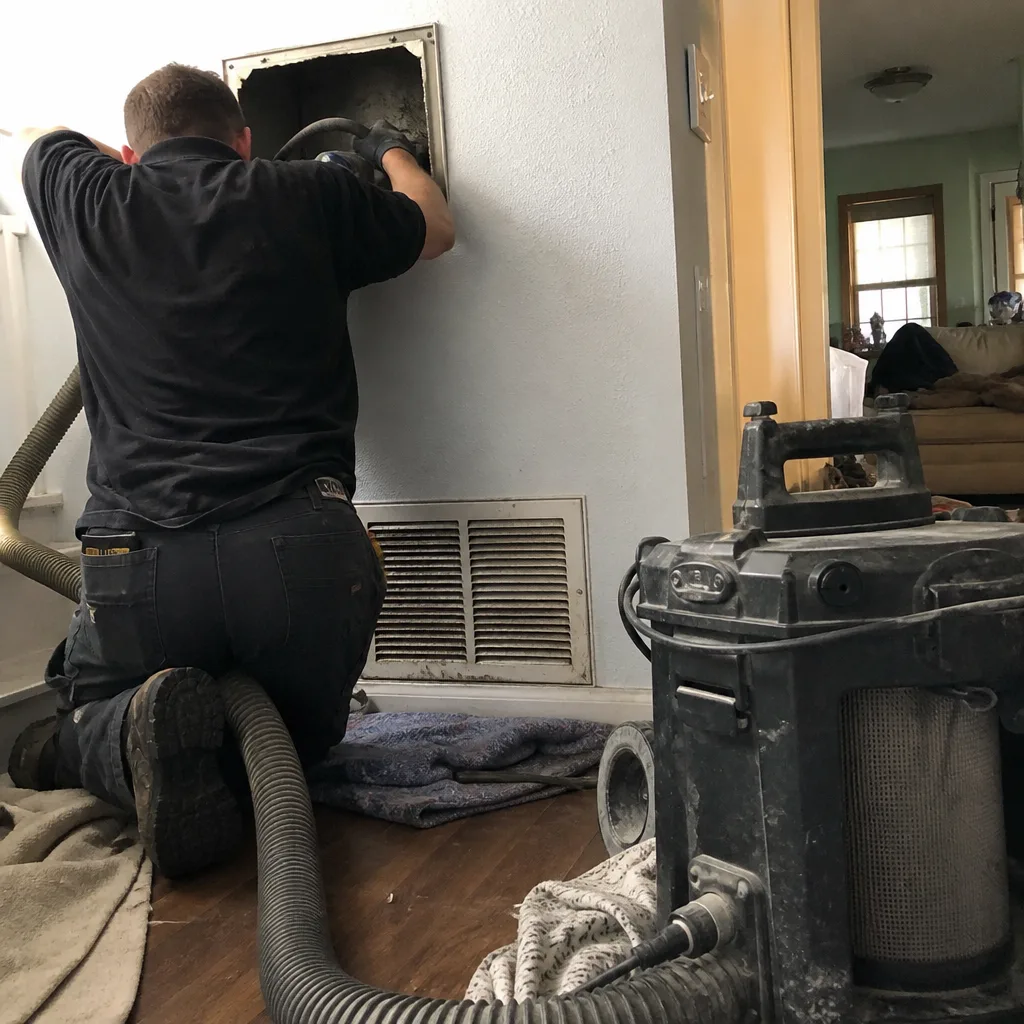 Before
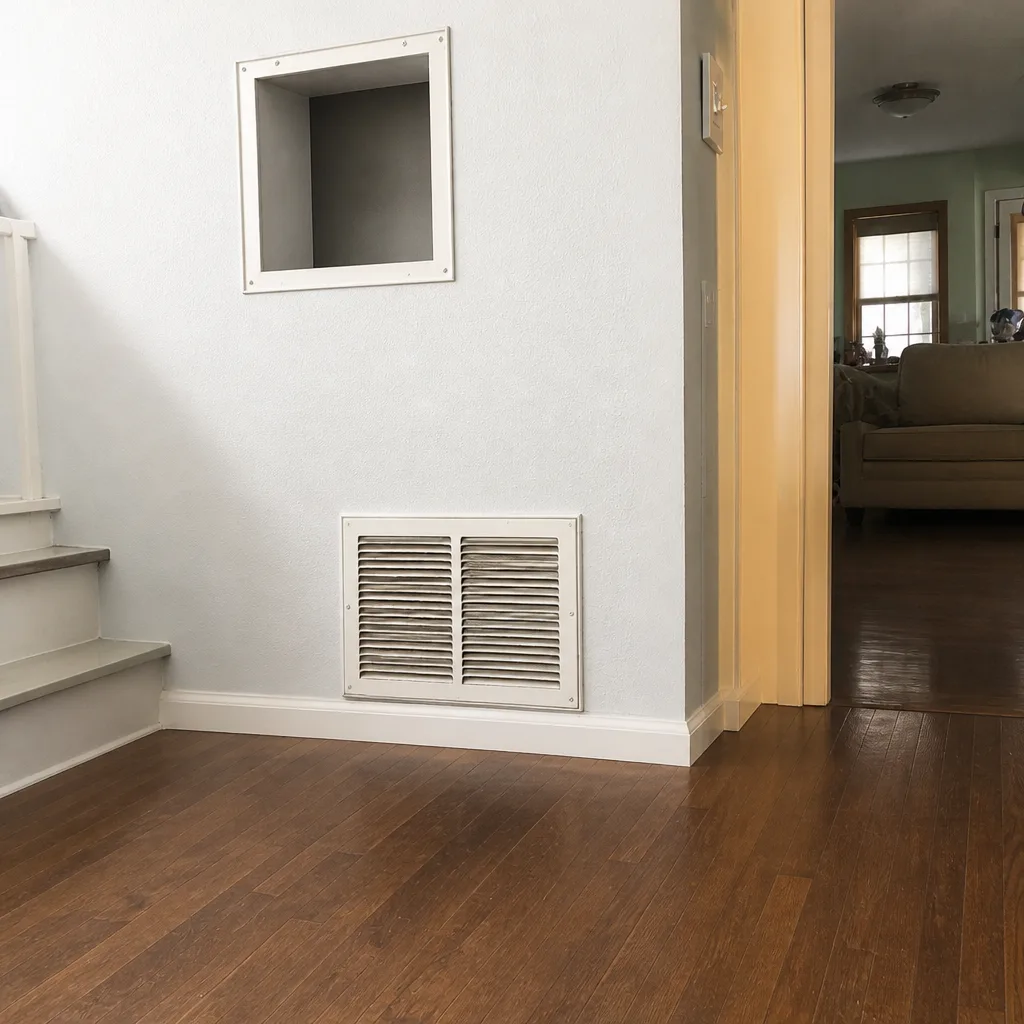 After
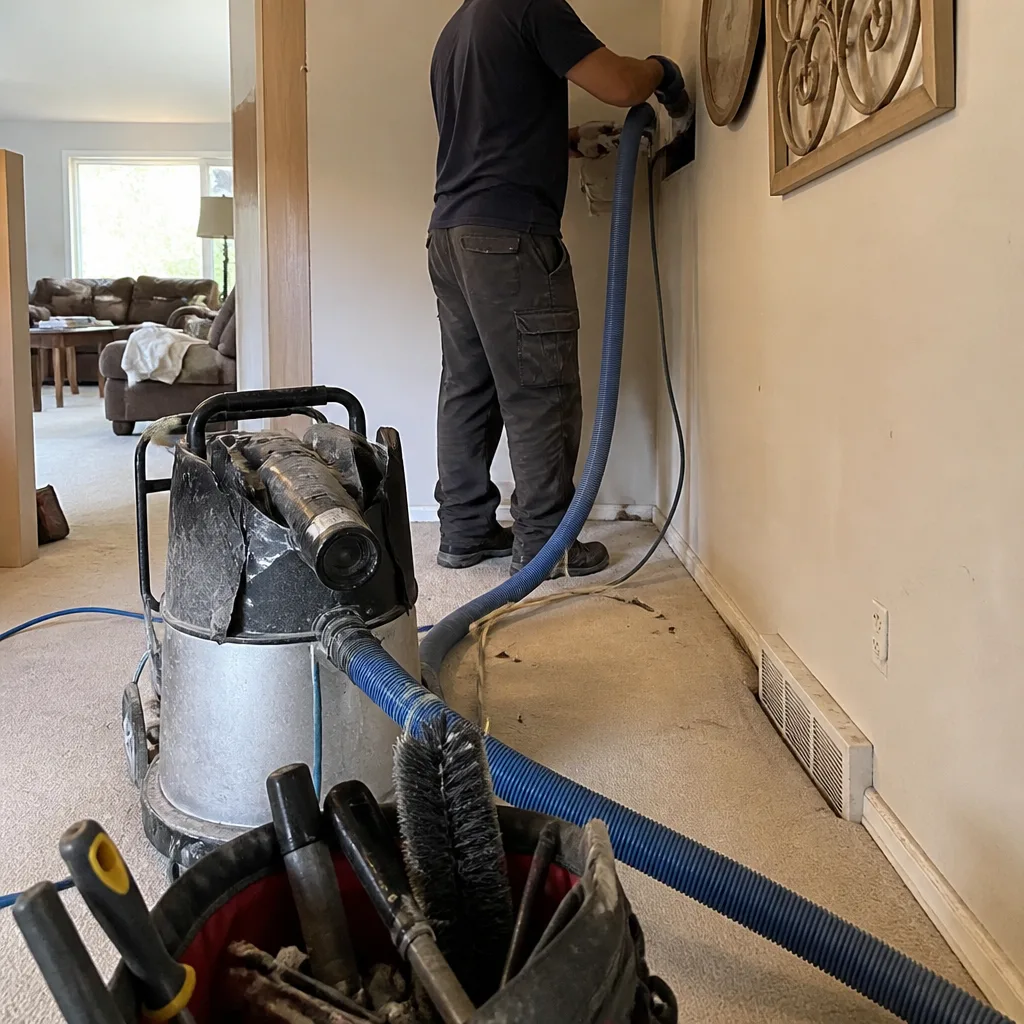 Before
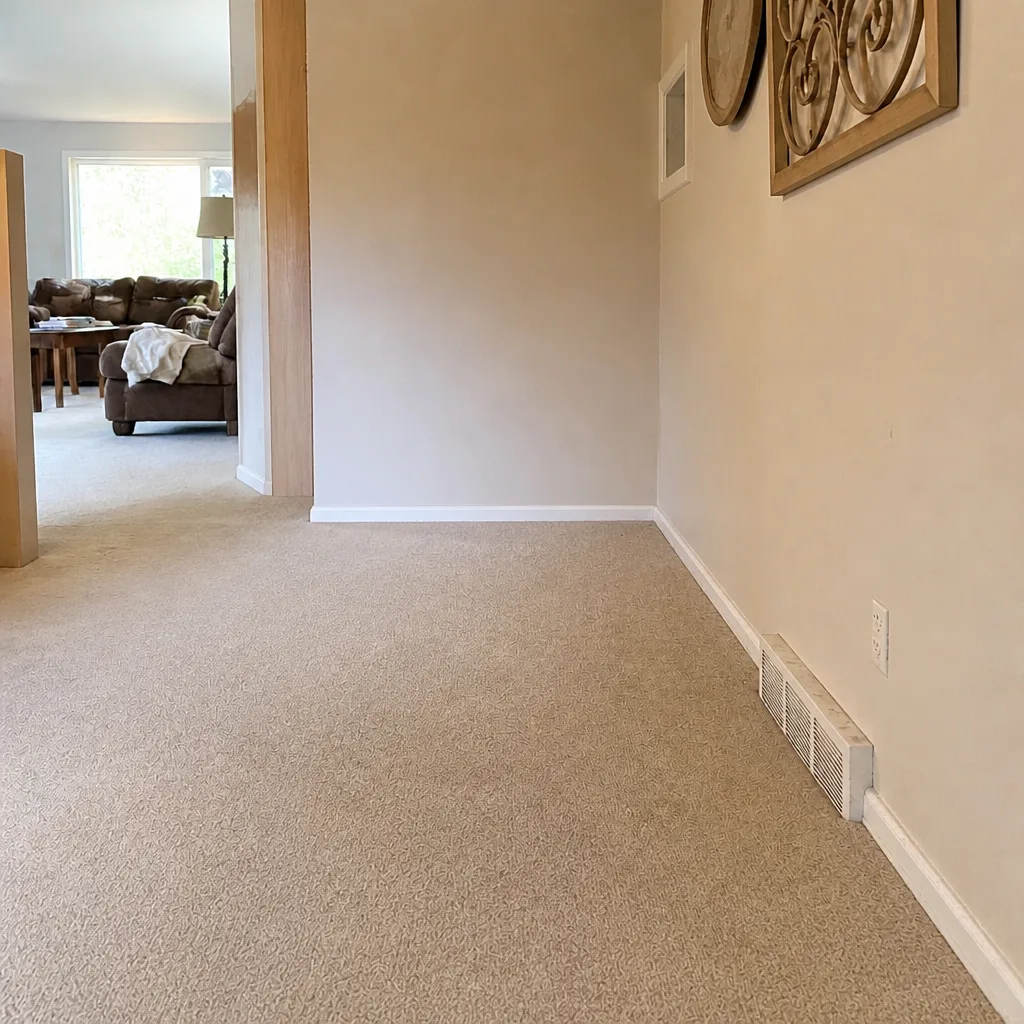 After
When to Call a Professional
Call a professional when you can see visible buildup in a return or vent cover, when a musty or dusty smell returns within days of cleaning the filter, or when allergies and dust symptoms in the home won’t settle. Call after any renovation that involved cutting drywall or sawdust, after any rodent activity in the ductwork or attic, and when you notice mold indicators on duct surfaces or boots. Call if your ducts are old and the home has never had them cleaned, if you’re buying a home in Provo and want to know what you’re getting, or if a dryer is taking two cycles to dry a load. Provo Air Duct Cleaning Pros offers free estimates in Provo. Call (866) 937-8191. We answer 24/7. Fast dispatch from 7am to 7pm, Sunday through Friday.
Frequently Asked Questions
Most homes don’t need annual cleaning; every three to five years is a reasonable working cadence for a typical system, and sooner in the scenarios above (post-renovation, pets, allergies, rodent activity). If your filters keep loading up fast or dust returns to surfaces quickly, that’s a signal to inspect the system rather than follow a calendar. A quick visual check at the return and air handler tells you more than a schedule ever will. Call (866) 937-8191 for a free estimate if you’re not sure whether yours is due.
Air duct cleaning in Provo is priced per system by a written estimate, and a full-pathway cleaning covering all five components costs more than the per-vent teaser prices advertised online. That gap is the whole story: the teaser is for a partial job, and the full job is for source removal of everything. Call (866) 937-8191 for an exact quote; estimates are free and the written estimate sets the final number.
Cheap quotes are usually cheap for a specific reason: they skip the air handler, they use a shop vacuum instead of negative-pressure extraction, they don’t cover the registers during cleaning, and they don’t produce before-and-after photos. Sometimes all four. You’re not comparing cleaning prices; you’re comparing two different jobs. Ask what’s included in writing and where the vacuum connects. Call (866) 937-8191 if you want a line-by-line estimate you can compare.
The two forms of proof are before-and-after photos of your own ducts and a visual walkthrough after cleaning, with the registers, boots, and air handler shown to you. A legitimate cleaning produces both. If a company can’t show photos after the work, that alone is your answer. Call (866) 937-8191 to book an estimate where you’ll see the equipment and the process before anyone starts.
Yes, for two reasons: the dry, dusty summers and winter inversions load the return air with fine particulate, and the long heating and cooling runtimes in this high-altitude desert push more air through the system than in milder climates. Homes in Provo age their duct systems faster than coastal or humid climates do. If you’ve lived here for a few years and never had them cleaned, it’s a reasonable time to check.
It can reduce the dust, particulate, and settled irritants that keep getting recirculated through your rooms, which is the part duct cleaning can address. It doesn’t replace filtration, and it doesn’t fix a leaking system on its own. The best combination is a full-pathway clean, a sealed duct system, and appropriate filtration from a brand like Honeywell or Aprilaire. Call (866) 937-8191 if allergies are your main concern and we’ll talk through the actual priorities for your home.
The Bottom Line
Duct cleaning in Provo is a full-pathway job or it’s not worth doing. Know the five components: return intake, air handler, trunk lines, branch runs, and supply registers. Know the standard: NADCA ACR 2021, source removal, negative pressure, containment, documentation. Know your local climate load: dry summers, dusty inversions, cold winters, and plenty of construction dust making the problem worse here than in many other places. Then ask the questions that separate a real cleaning from a visiting sales pitch. Rotobrush contact cleaning, Nikro HEPA extraction, and Abatement containment on every job is what that looks like in practice. If you’re ready to look at your system instead of guessing, call Provo Air Duct Cleaning Pros at (866) 937-8191 for a free estimate. We answer 24/7. Fast dispatch from 7am to 7pm, Sunday through Friday.
Written by the team at Provo Air Duct Cleaning Pros.