
Last updated November 24, 2026
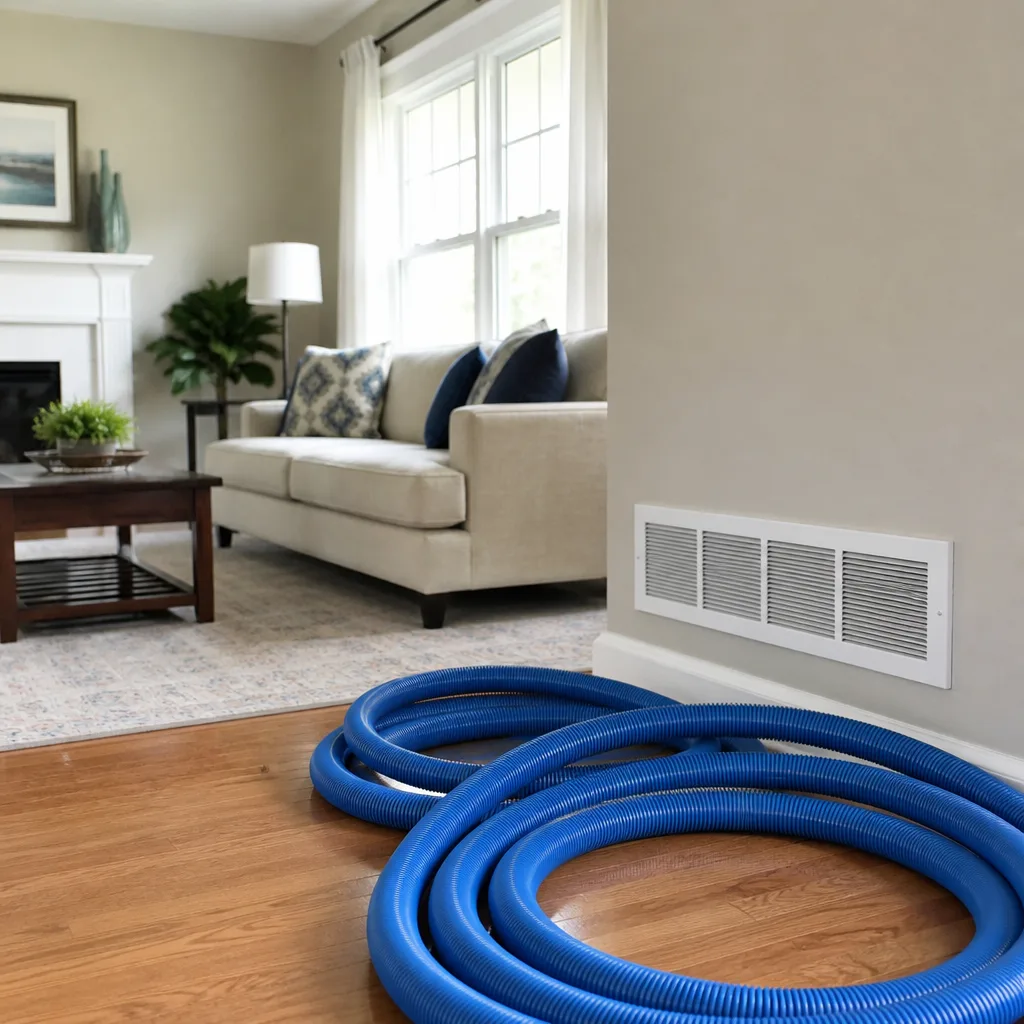 Whole-home duct cleaning
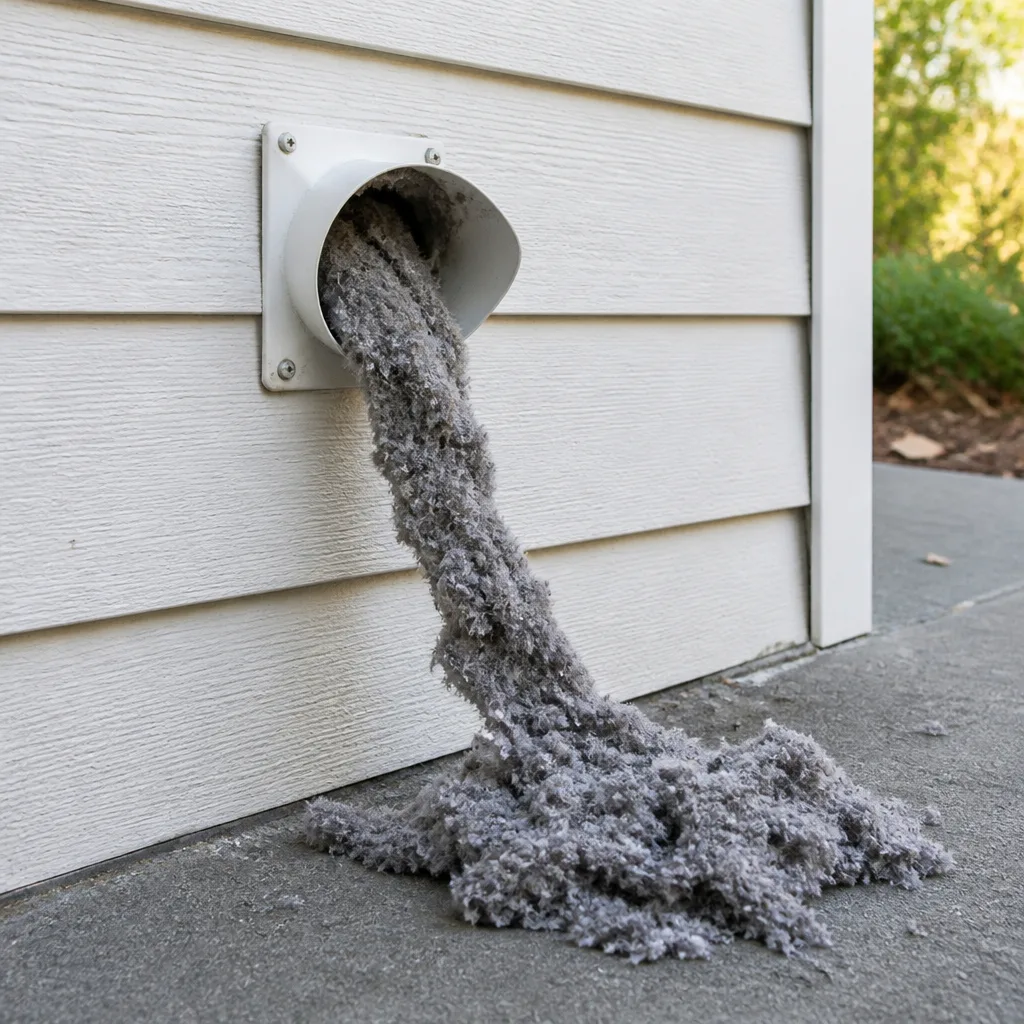 Dryer vent cleaning
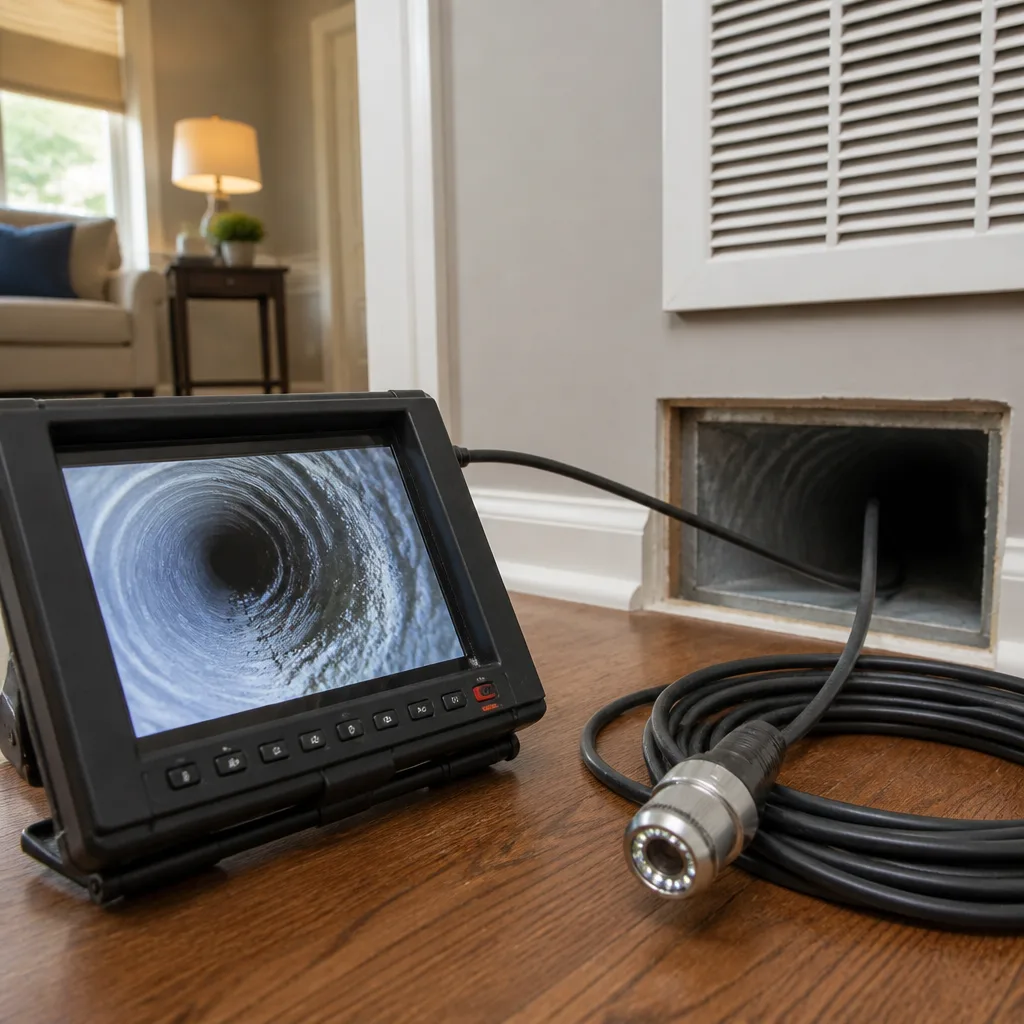 Camera inspection
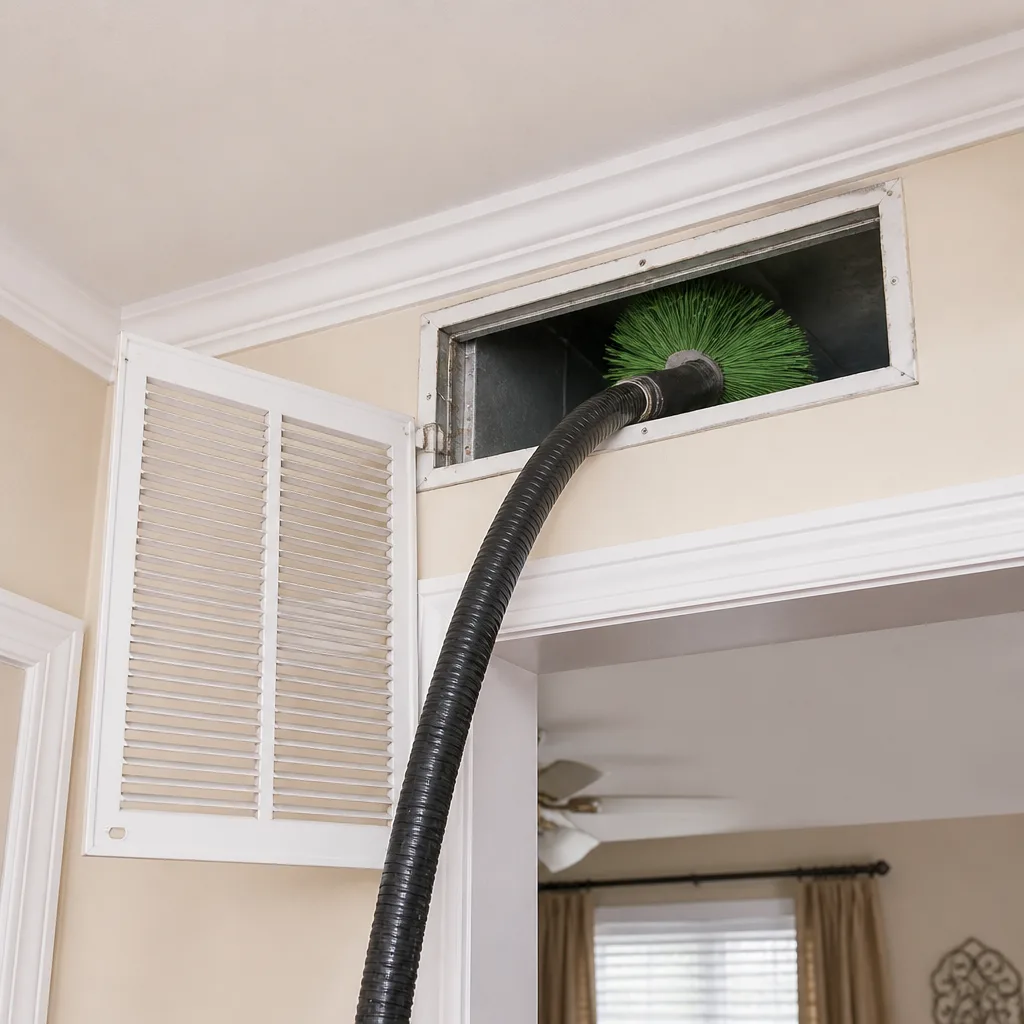 Sanitizing & deodorizing
Whole-system duct and dryer vent check with before-and-after photos - you see exactly what came out of your vents
That "$99 whole-house special" is a bait ad - the real number appears once they are in your hallway, or the "clean" is a shop-vac at the register. We photograph the inside of your ducts before and after instead.
Seasonal Air Duct Cleaning Care for Provo: Year-Round Homeowner’s Guide
Most duct cleaning advice treats the calendar as an afterthought. Get it cleaned once a year, the thinking goes, and you’re covered. In Provo, that single-date approach ignores most of what your duct system actually goes through. Utah Valley traps winter inversion pollution against the mountains, spring pushes construction and farm dust through open windows, late summer funnels wildfire smoke down the valley, and fall flips the HVAC switch in a way that redistributes everything the system collected over the cooling season. Each of those seasons loads your ducts differently. This guide walks through all four, explains what happens inside the system during each one, and shows how to build a maintenance cycle that matches how you actually live in your Provo home.
Quick Answer
There is no single annual cleaning date that fits every Provo home. The right approach is seasonal: expect the heaviest contamination load during winter inversions and the late-summer wildfire smoke window, add sanitizing in spring when humidity rises and biological growth is most likely, and schedule an inspection or cleaning before the heating season starts in fall. A full duct cleaning roughly every two years suits many households, with annual inspections and targeted cleanings in between based on pets, renovations, allergy history, and system age.
Styles & brands we work with
- Whole-home duct cleaning
- Dryer vent cleaning
- Camera inspection
- Sanitizing & deodorizing
Table of Contents
- Winter: How Utah Valley Inversions Load Your Ducts
- Spring: The Biological Growth Window
- Late Summer: The Wildfire Smoke Window
- Fall: The HVAC Switchover and Why It Matters Most
- Building a Two-Year Duct Maintenance Cycle
- What Makes Provo Homes Different
- What You Can Check Yourself and What You Can’t
- Common Mistakes to Avoid
Winter: How Utah Valley Inversions Load Your Ducts
Provo sits in a bowl. During winter, cold air settles into Utah Valley and a warmer layer traps it from above, and that trapped air holds whatever’s been emitted into it: vehicle exhaust, wood smoke, industrial output. That’s an inversion. When one settles in, particulate pollution concentrates near the ground, and your home’s air handler keeps pulling that outdoor air (or indoor air that leaked in from outside) through the system hour after hour.
What makes this a duct problem rather than just an outdoor problem is where the contamination collects. Return-side ducts carry air back to the air handler, and they run at lower pressure than the supply side. That lower pressure is why returns tend to collect the most fine particulate during an inversion period. The particulate doesn’t just pass through. Some of it settles on duct walls, especially in branch returns serving bedrooms and hallways where airflow is already slower.
Your filter matters most in winter, and it’s the piece homeowners change least often. A few points to work from:
- Check the filter monthly during inversion season rather than at the manufacturer’s recommended interval. A filter loaded with fine particulate restricts airflow and makes the whole system work harder.
- Match the filter to the system, not to the highest number on the package. A filter rated for very fine particles can strain a blower that wasn’t designed for that much resistance.
- Hold off on running bathroom and kitchen exhaust fans for long stretches when an inversion is thick. They pull air out of the house, and replacement air has to come from somewhere.
If winter is the season your household feels it most, a targeted inspection of the return side after inversion season is a reasonable response. Full cleaning isn’t always needed. Knowing where the load collected is.
Spring: The Biological Growth Window
Spring in Provo brings a humidity shift. The air warms, moisture levels rise, and any organic material that collected in the ducts over winter (dust, skin cells, pet dander, pollen tracked in from the yard) now has the moisture it needs to support mold and bacterial growth. This is the period when biological growth is most likely to establish itself inside a duct system, particularly in the cooler, damper parts of the system: basement or crawlspace runs, ducts that pass through unconditioned spaces, and the area around the evaporator coil.
Spring is also when you’d notice it. A musty smell when the system first kicks on, or a return that smells different from the rest of the house. In our experience, the coil area and the first few feet of duct downstream of the coil are where the growth shows up first, because that’s where condensation forms and stays longest.
Whether you need sanitizing on top of a standard cleaning depends on what an inspection finds. A practical sequence:
- Inspect the evaporator coil compartment and the duct sections nearest it for visible growth or persistent moisture.
- Check whether the system has any active moisture source, like a condensate line that isn’t draining cleanly or a crawlspace with high humidity.
- Clean first. Sanitizing applied over debris doesn’t reach the surfaces that matter.
- Apply a sanitizing treatment to duct interiors only after cleaning, using products rated for HVAC surfaces.
We use Guardsman-grade treatment products for this step, applied after the ducts are clean and dry. Spring is also the right season to look at your whole-home filtration. If you have a Honeywell or Aprilaire filtration or humidity system, spring is when those components deserve a check, since the same moisture that feeds duct growth also affects how those systems perform.
Late Summer: The Wildfire Smoke Window
From July into September, regional wildfire smoke can settle into Utah Valley and stay for days. Smoke particulate is fine, and fine particulate is exactly what standard filters are least equipped to stop. A typical filter catches the larger particles and lets the smallest fraction pass, and those smallest particles are the ones that travel deepest into branch runs. They coat duct surfaces, they collect on the blower wheel, and they can settle in the air handler itself.
What’s easy to miss is that the smoke event isn’t over when the sky clears. The particulate that entered your ducts during the event is still there. The outdoor air reads clean again, but the system keeps circulating what it collected.
After a significant smoke event in Provo, a post-smoke inspection should cover:
- The air handler and blower wheel, where fine particulate builds up and reduces efficiency.
- Branch runs serving bedrooms and living areas, which see the most smoke exposure because they run longest and carry the most air.
- The return-side ductwork, where the system pulls smoky indoor air back through first.
- The filter itself. If it’s dark and loaded, it’s done, and leaving it in just re-releases what it captured.
For households with allergies or respiratory sensitivity, a post-smoke cleaning in late summer is worth scheduling. It’s also the time to consider whether your filtration setup is suited to repeated smoke seasons. A media filter cabinet rated for fine particulate, or an upgraded filter in an existing Honeywell or Aprilaire system, does more for smoke protection than duct cleaning alone.
Fall: The HVAC Switchover and Why It Matters Most
The moment a Provo system transitions from cooling to heating is the single highest-ROI timing on the annual calendar. Here’s why. All summer, the system ran in cooling mode, moving air through the same ducts and collecting dust, pollen, and smoke particulate on duct walls and in the air handler. When heat comes on, the system delivers air differently: warmer, often at higher velocity, and through a heat exchanger that raises the temperature of everything moving past it. That first heating cycle pushes accumulated summer debris back out into the rooms. If you’ve ever noticed a dusty, slightly burnt smell the first time the heat ran in fall, that’s what you were smelling.
The pre-heating-season window matters for a second reason: it’s when an inspection finds problems while there’s still time to fix them before a Provo winter. Fall is when we recommend a check on:
- Air handler and blower wheel condition after a full cooling season.
- Duct seams and connections, especially in unconditioned spaces, where a small leak wastes heat all winter.
- Return-side contamination accumulated over the cooling season.
- The filter and, if present, your whole-home filtration or humidity system components.
If the inspection finds debris worth cleaning, a fall cleaning before the heat comes on means the first warm air of the season comes through clean ducts. If it finds leaks, duct repair and sealing closes the gap before heating season wastes conditioned air. Either way, the timing pays off through the winter. We service the whole pathway at this point in the year, from the air handler to the vent cover, because that’s the moment when everything downstream of the handler is about to move.
Building a Two-Year Duct Maintenance Cycle
Not every season needs a full cleaning, and a schedule built around your household is more useful than a one-size recommendation. A practical way to think about it: base the plan on how much your household loads the system and how sensitive the occupants are. Here’s how the variables map to a cycle.
| Household variable | What it changes | Suggested approach |
|---|---|---|
| Pets that shed | Pet hair and dander load the return side faster | Shorter full-cleaning interval, more frequent filter changes |
| Recent renovation | Drywall dust and construction debris enter ducts through open returns | Cleaning after project’s end, not just annual |
| Allergy or respiratory history in the household | Fine particulate and biological growth have more consequence | Annual inspection, cleaning when found, sanitizing in spring if indicated |
| Older HVAC system | Debris accumulation affects efficiency more on aging equipment | Annual inspection, cleaning aligned with the fall switchover |
| No pets, no allergies, newer system | Lower loading per season | Two-year full-cleaning cycle with annual inspections in between |
Map that onto the seasons and the cycle looks like this: fall is the cleaning or inspection anchor because it precedes heating season. Winter is filter diligence and a targeted inspection on the return side if inversions have been heavy. Spring is the biological-growth check, with sanitizing if an inspection calls for it. Summer is filter changes during smoke episodes and a post-smoke inspection if a fire season was bad. The next fall, reassess. Some households will need a full cleaning again; others will need only an inspection.
Two things to keep clear about the cycle. First, “two-year” is a starting point, not a rule. Second, the inspection is where the plan gets set. A visual inspection that shows duct interiors, the coil, and the handler assembly is what tells you whether this is a cleaning year or an inspection year.
What Makes Provo Homes Different
Provo housing stock shapes how seasonal duct loading actually plays out. Many homes in Provo are older, and older duct systems tend to be leakier, with more seams and connections that lose air over time. Leaky ducts undercut air quality and efficiency in two directions: they let conditioned air escape and they let outside contaminants in. In an inversion-heavy valley, “outside contaminants in” is more consequential than it might be elsewhere.
Newer construction in Provo and the surrounding neighborhoods brings its own pattern. Tightly built homes hold air in place, which means whatever enters the duct system stays and circulates rather than leaking out. Renovation activity around town adds construction dust to the mix, and if returns are open during a remodel, that dust goes straight into the system.
Provo’s position along the mountains also matters. Overnight cold air draining down the slopes and pooling in the valley helps drive winter inversions, which is why the winter chapter of this guide looks the way it does. The same geography that makes Provo a beautiful place to live is what makes duct maintenance a seasonal project here rather than an annual checkbox.
If you’d like a clear picture of where your system stands, our Provo Air Duct Cleaning Pros team can walk through what a full-system inspection covers and what our equipment sees that a flashlight won’t.
What You Can Check Yourself and What You Can’t
You can do some useful monitoring between professional visits. You can check your filter regularly, watch for musty odors when the system engages, note dust accumulation on the return grille, and pay attention to whether some rooms are dustier than others. Those observations help a technician target the inspection.
What you can’t do yourself is meaningful duct interior cleaning. That’s not a matter of effort. It’s equipment. Contact cleaning, the process that actually agitates and loosens debris clinging to duct walls, requires a system like the Rotobrush that runs a rotating brush through the ductwork, and extraction requires HEPA containment, which is where our Nikro equipment and Abatement Technologies negative-air setup come in. Containment captures the loosened debris at the source rather than redistributing it into your living room. Without containment, cleaning can leave the house worse off than it started, because the debris goes into the air rather than out of it.
Our technicians have up to 10 years of experience with this equipment, and we show our work. Before-and-after inspection footage of your ducts is what a cleaning should produce, because it’s the one way to see that the work was actually done. If a company can’t show you what your ducts looked like inside before and after, that’s a sign to ask more questions. Our air duct cleaning work is built around that documentation.
Common Mistakes to Avoid
- Cleaning once a year regardless of season. Provo loads the system differently in winter (inversion particulate), spring (biological growth), late summer (smoke), and fall (switchover redistribution). A fixed date on the calendar doesn’t respond to any of them.
- Skipping the fall inspection before heating season. The first heat cycle pushes everything the system collected over the cooling season back into the rooms. Checking first prevents that redistribution.
- Running the same filter all year without checking it during inversions and smoke events. Those are the periods when filters load fastest. A monthly look during inversion season is more useful than following a package interval.
- Sanitizing without cleaning first. Treatment applied over debris doesn’t reach the surfaces beneath it. Cleaning the system, then sanitizing, is the sequence that works.
- Assuming duct cleaning alone fixes poor indoor air. Duct cleaning removes what’s inside the ducts. If the system’s leaking or the filtration is undersized, the air quality problem is elsewhere in the system, and that’s what duct repair and sealing and a filtration assessment address.
- Letting a renovation finish before thinking about the ducts. Returns are open during construction, and drywall dust travels directly into the system. Protect returns during the project and inspect afterward.
- Treating a visual look down a register as an inspection. The contamination that matters is deeper in the runs and in the air handler, where a flashlight through a vent can’t reach.
See the difference
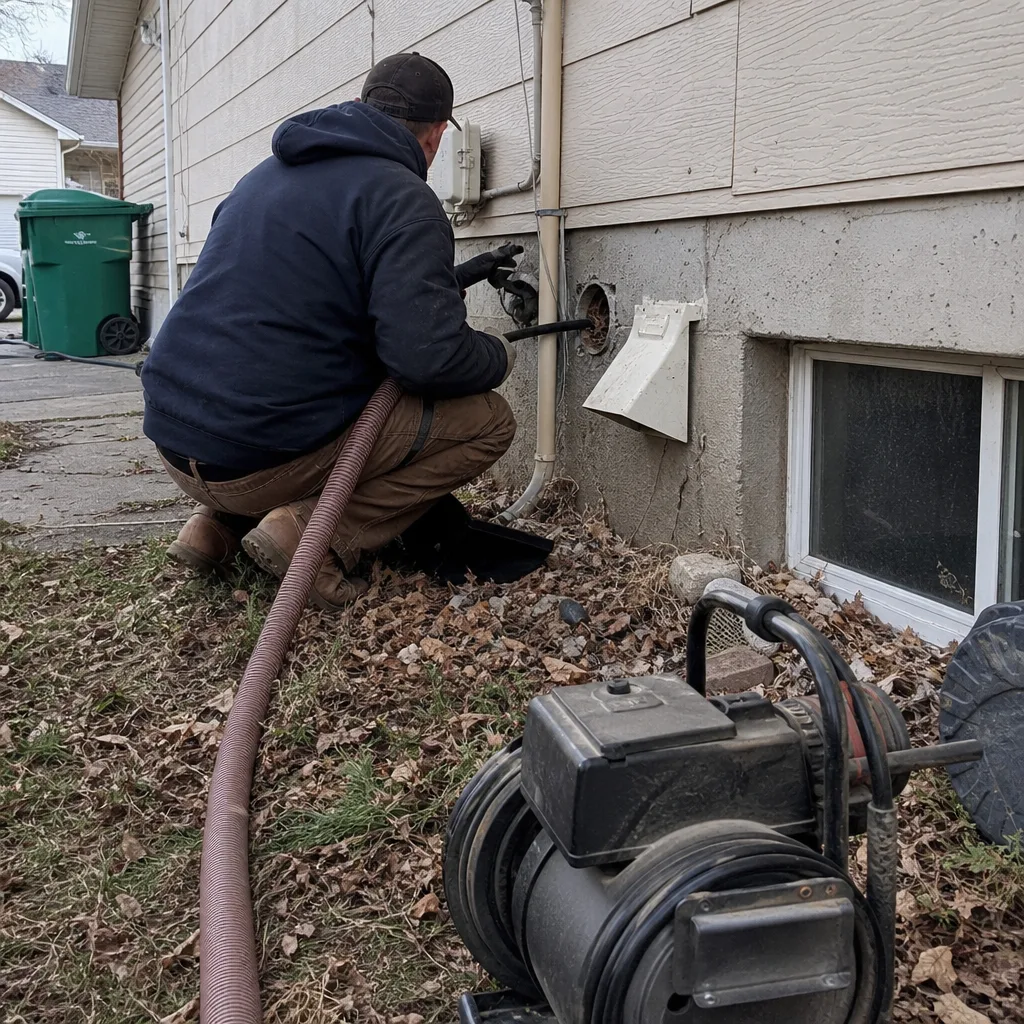 Before
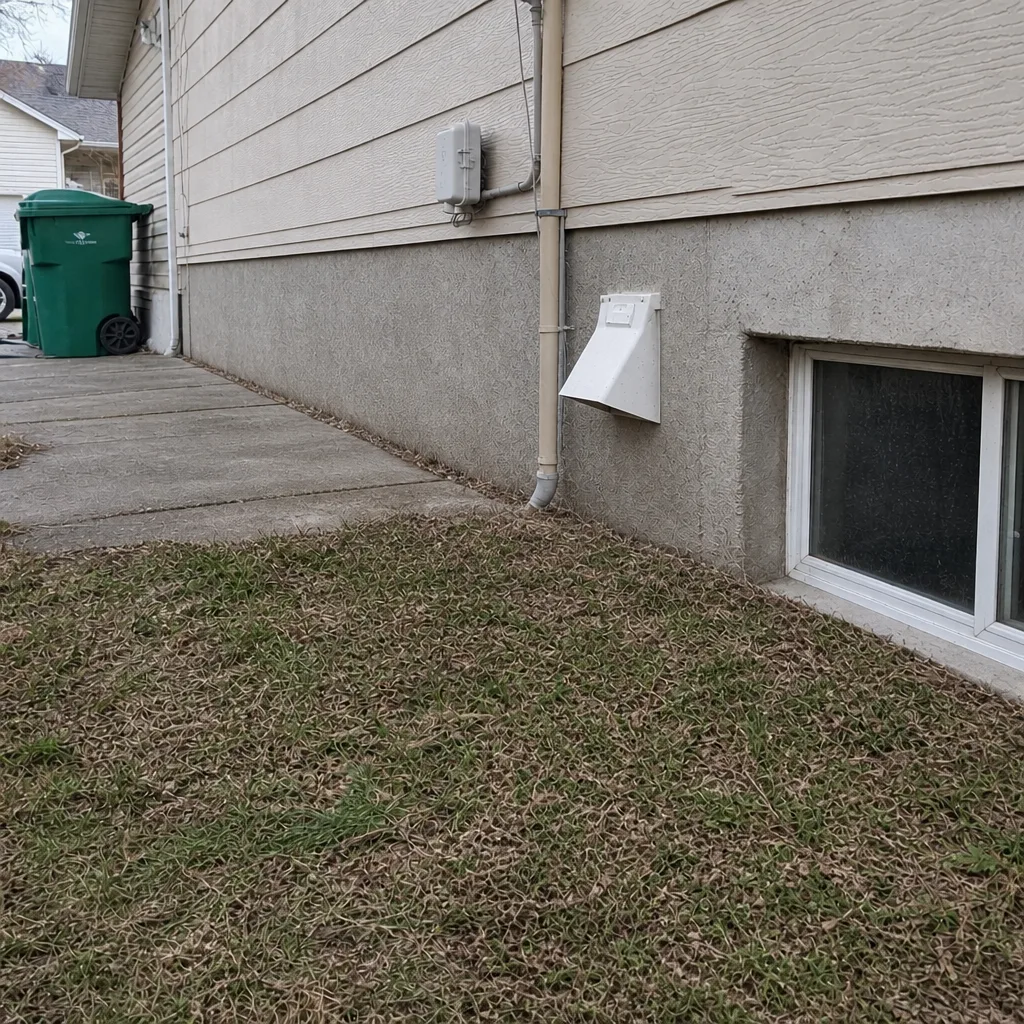 After
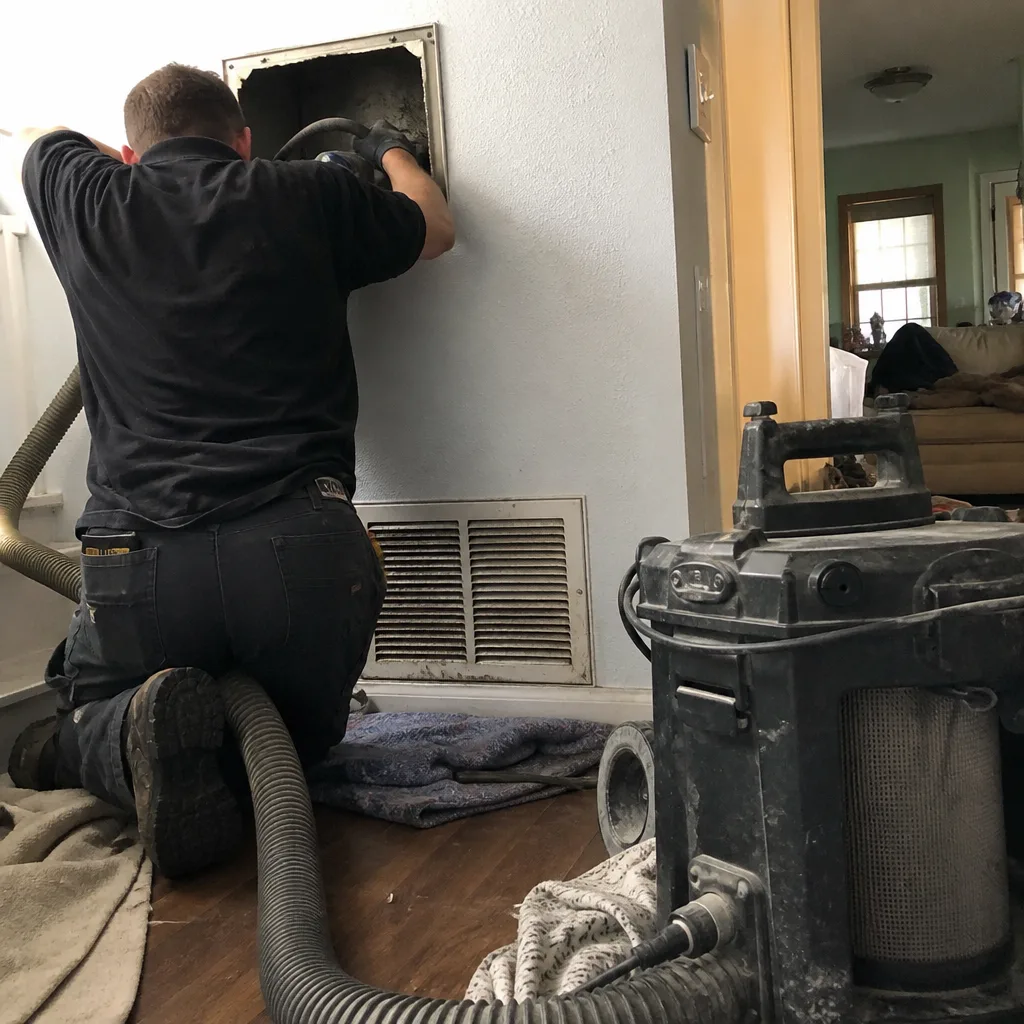 Before
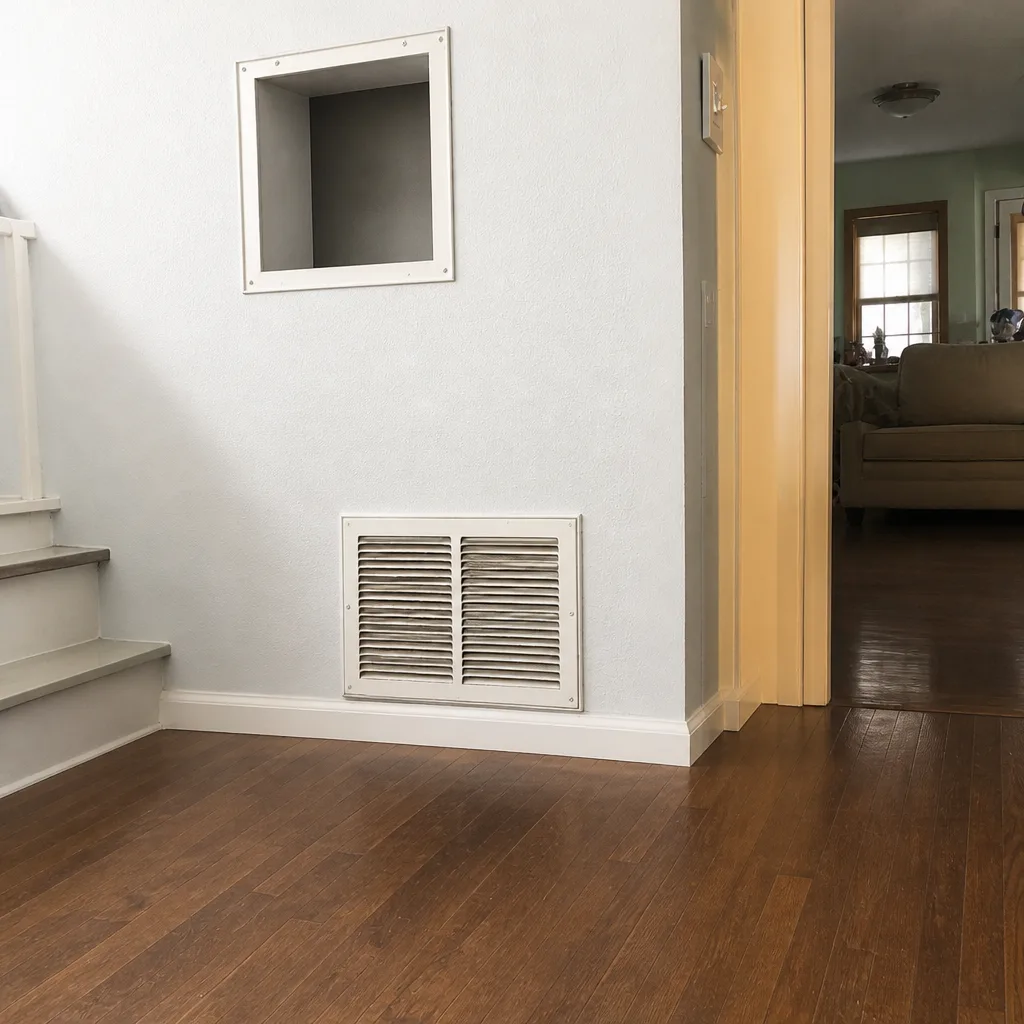 After
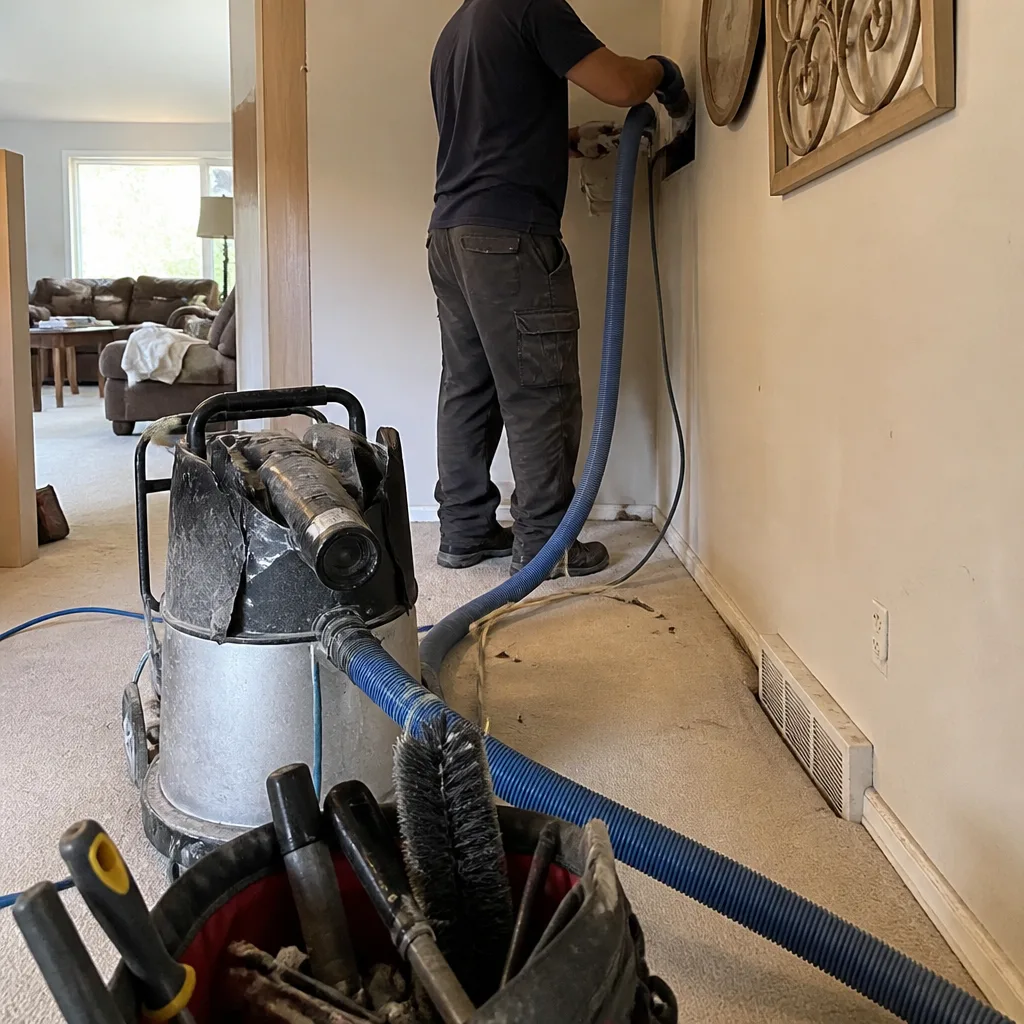 Before
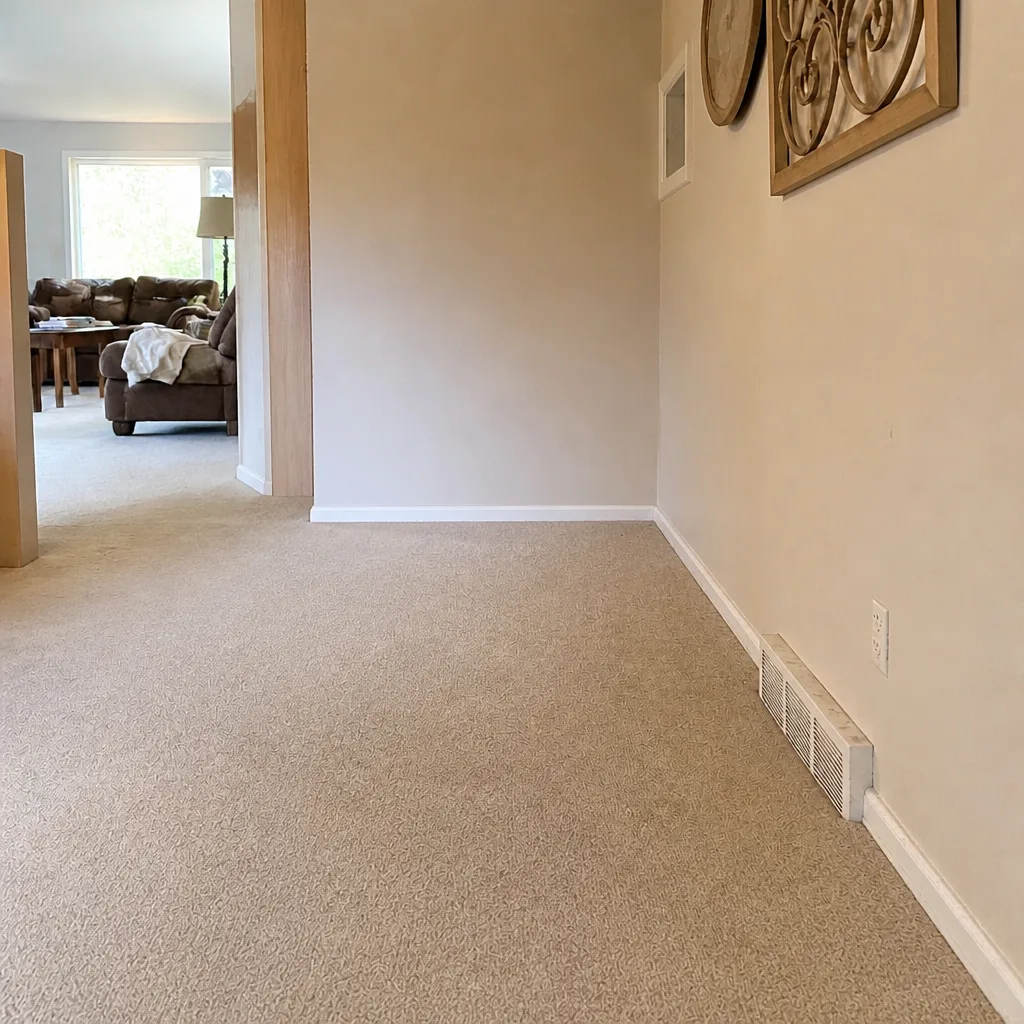 After
When to Call a Professional
Some situations call for a professional inspection, some for a scheduled cleaning. If your system runs a Provo winter and you notice musty odors when the heat kicks on, a visible dust plume from a register, or rooms that seem to get dustier every week, an inspection is worth scheduling. If you’ve had a renovation, adopted a shedding pet, or moved into an older Provo home with unknown duct history, a full inspection will show whether cleaning is due. If a wildfire smoke event was significant, a post-event inspection covers the branch runs and air handler. If you’re not sure which category you’re in, our HVAC cleaning service can assess the system and tell you what it needs. A written estimate sets the price before any work starts. Provo Air Duct Cleaning Pros offers free estimates in Provo – call (866) 937-8191.
Frequently Asked Questions
A full cleaning roughly every two years works for many Provo households, with annual inspections in between. Households with pets, allergy concerns, recent renovations, or older systems usually need a shorter interval. The seasonal inspections are what determine whether a given year is a cleaning year or just an inspection year.
Yes. During a winter inversion, particulate pollution concentrates in the valley, and your air handler keeps pulling air through the system. Fine particulate collects on duct walls, particularly on the return side, where lower pressure lets more of it settle. Checking and changing the filter more often during inversion season is the most practical response.
Before, if you can. Fall is the highest-ROI timing because the first heating cycle distributes whatever the cooling season left in the system. Cleaning or inspecting before the heat comes on means the first warm air of winter moves through clean ducts instead of pushing accumulated summer debris into your rooms.
Only when an inspection shows it’s warranted. Spring is when humidity rises and biological growth is most likely in Provo, particularly in cool, damp parts of the system and near the evaporator coil. If an inspection finds visible growth or persistent moisture, cleaning followed by a Guardsman-grade sanitizing treatment is the right sequence. If it doesn’t, a standard cleaning is enough.
Fine smoke particulate bypasses standard filters and travels deep into branch runs and the air handler, so the ducts hold it long after the sky clears. After a significant smoke event, an inspection should cover the air handler, blower wheel, branch runs serving the rooms you use most, and the return side, with the filter changed out if it’s loaded.
No. Cleaning removes debris; it doesn’t close gaps. Leaks at seams and connections let conditioned air escape and outside air in, so fixing them is a separate step. That’s why duct repair and sealing is part of the same full-system approach: find the leaks, then fix them on the spot. We can work with your insurer if a leak situation has caused damage that a policy covers.
It can. A dryer vent route that’s clogged with lint is both a fire safety concern and the reason a load might need two cycles. In older Provo homes, dryer vent routes that are long or bend through several elbows clog faster. Our dryer vent cleaning service covers the full route from the dryer to the exterior, and we can show you what came out.
The Bottom Line
The right way to maintain ducts in Provo is seasonal, not annual. Winter inversions load the return side with fine particulate, spring is when biological growth establishes in cooler parts of the system, late summer wildfire smoke drives fine particulate deep into branch runs, and fall’s switchover redistributes the year’s accumulation. A two-year full-cleaning cycle with annual inspections in between, tuned to your pets, renovations, allergy history, and system age, matches how the climate actually works. When you’re ready to see where your system stands, call (866) 937-8191. We answer 24/7. Fast dispatch from 7am to 7pm, Sunday through Friday. Estimates are free, and a written estimate sets the price before any work starts.
Written by the team at Provo Air Duct Cleaning Pros.