
Last updated November 24, 2026
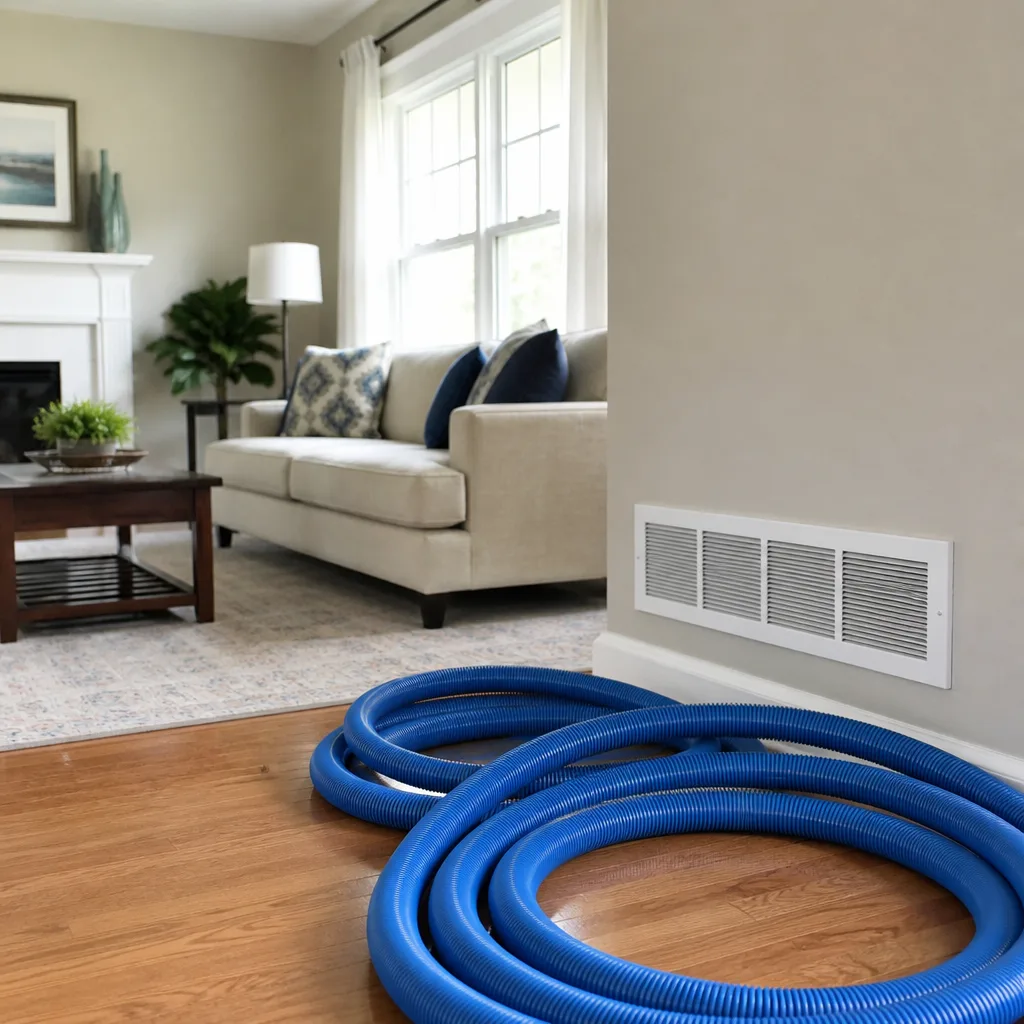 Whole-home duct cleaning
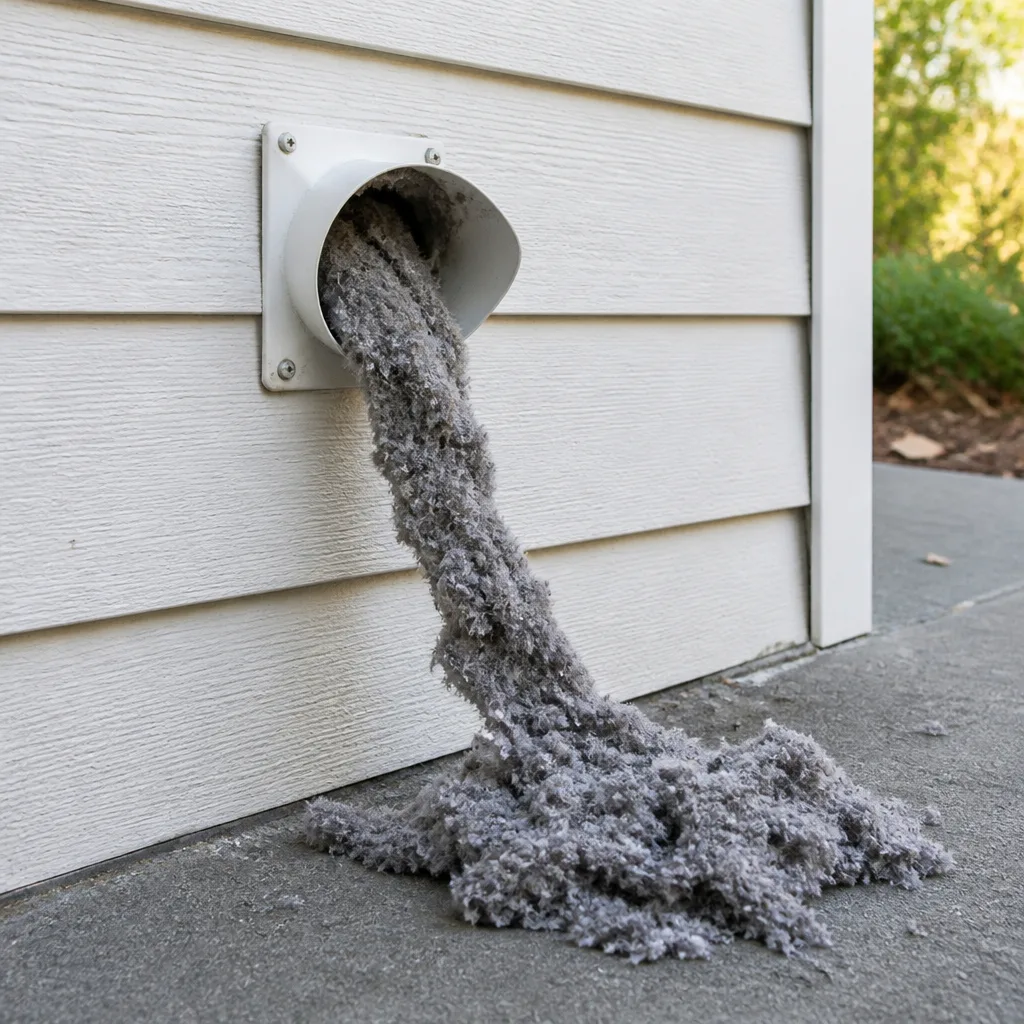 Dryer vent cleaning
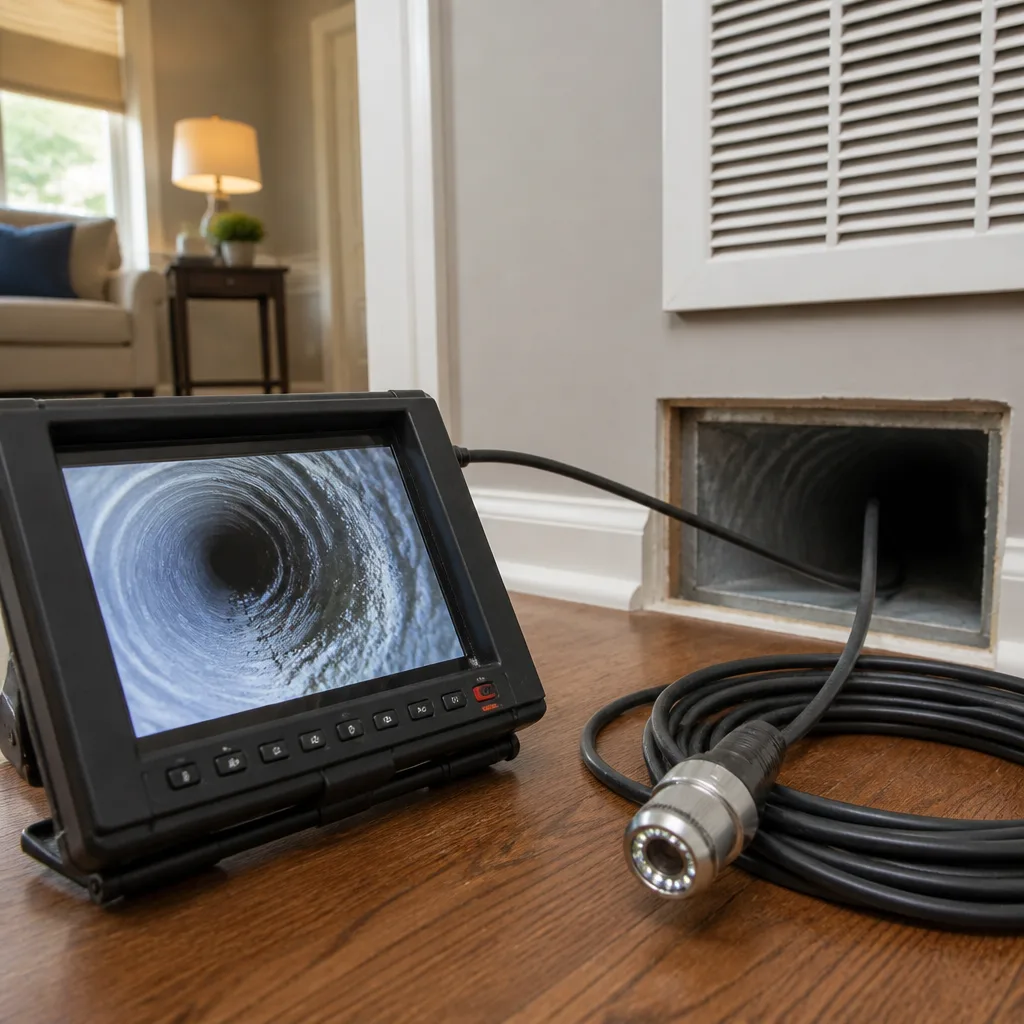 Camera inspection
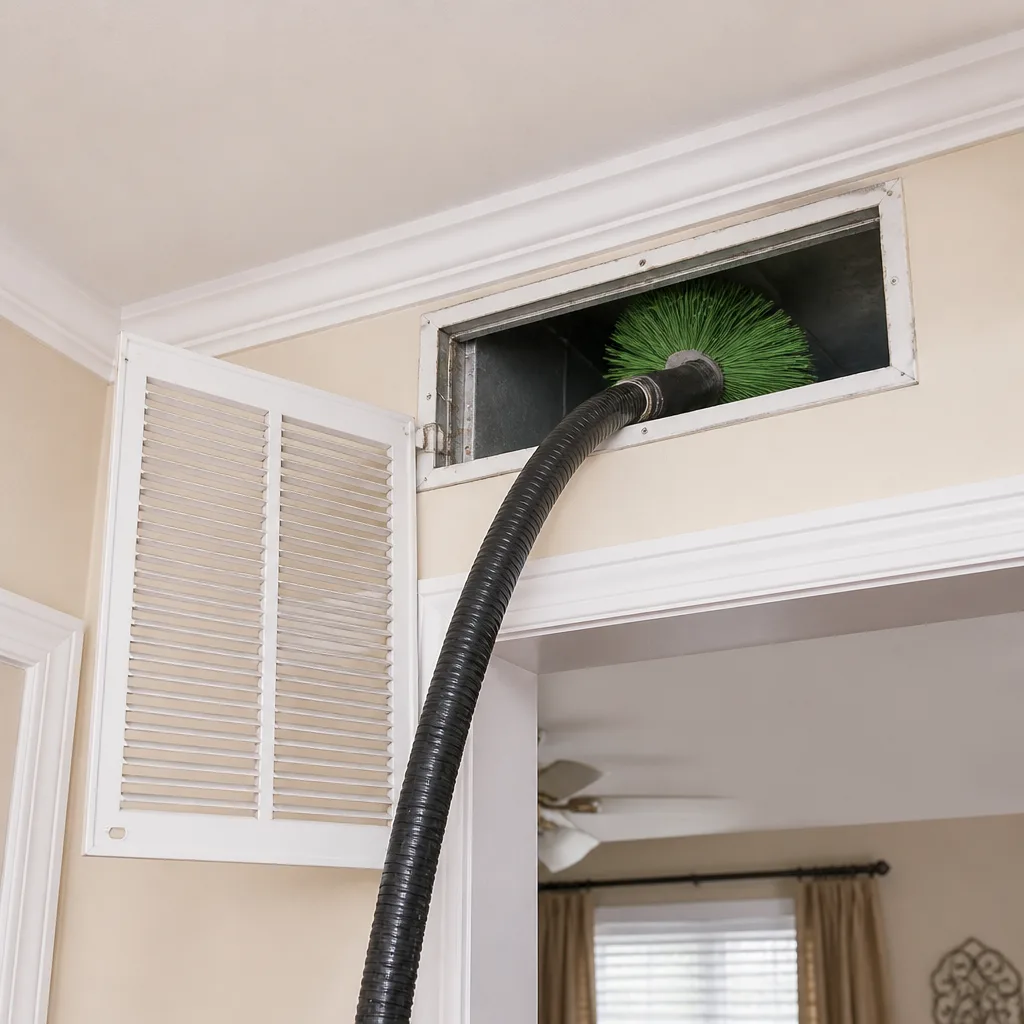 Sanitizing & deodorizing
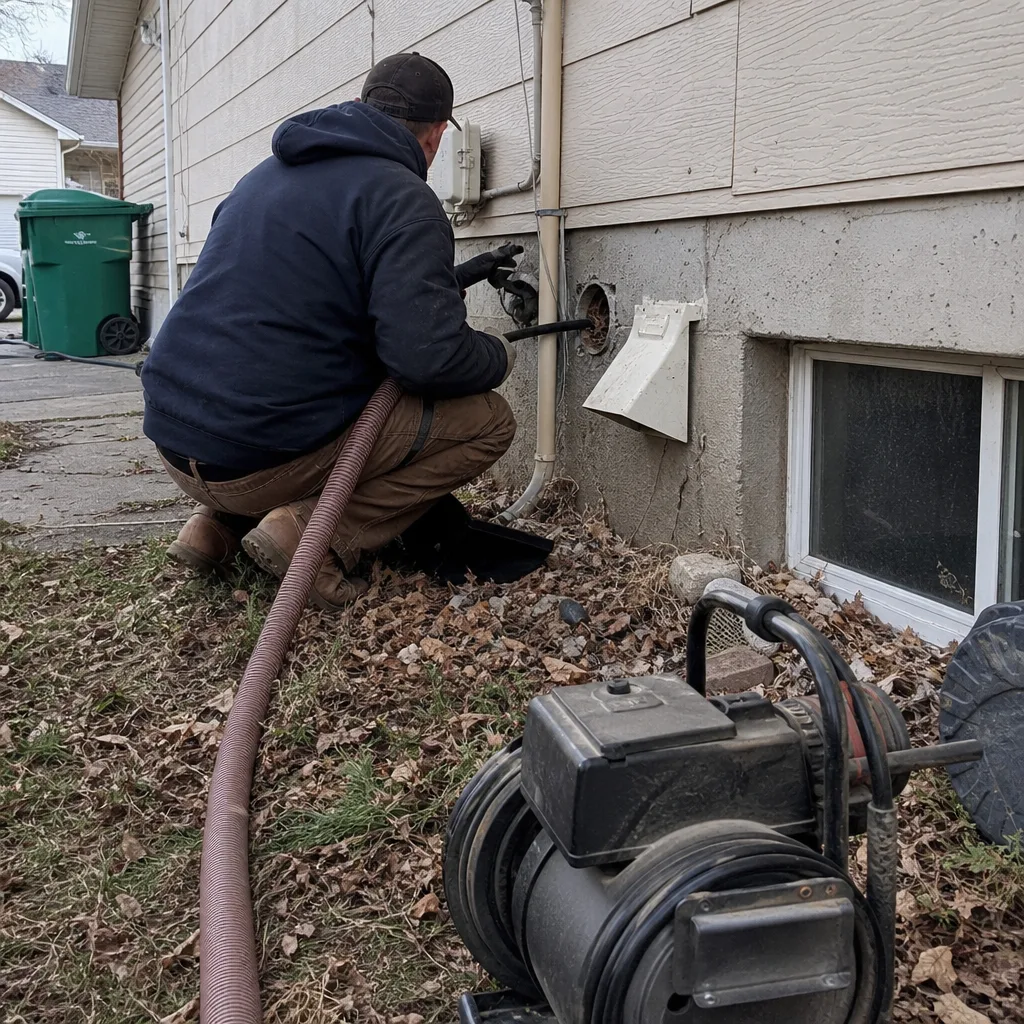
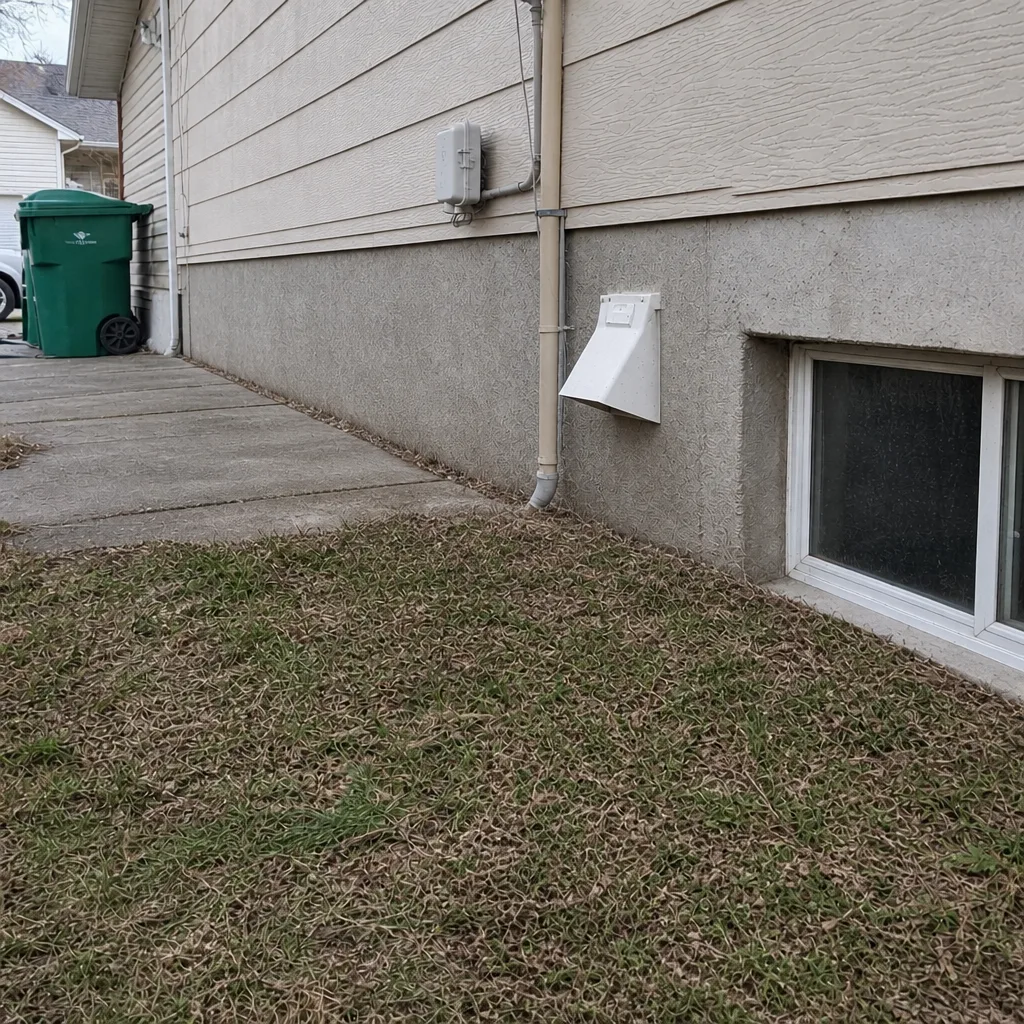
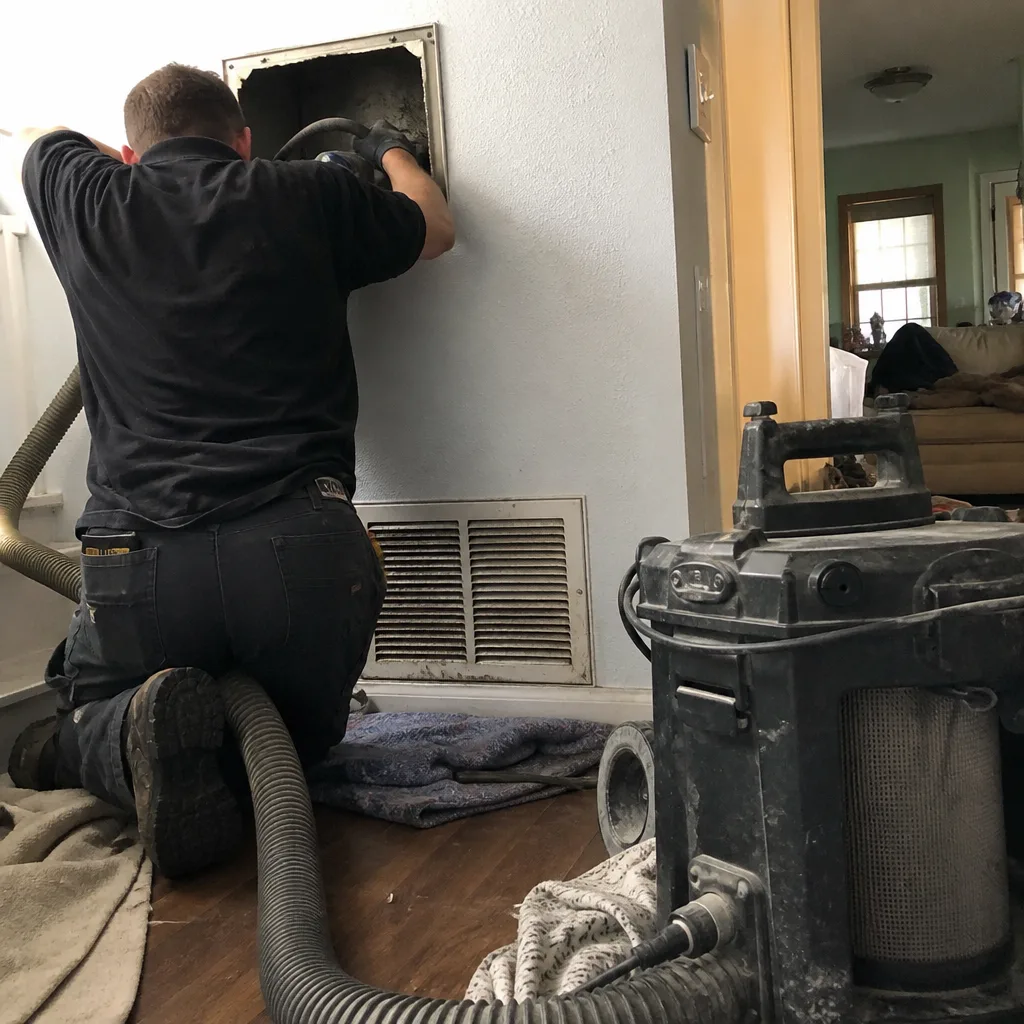
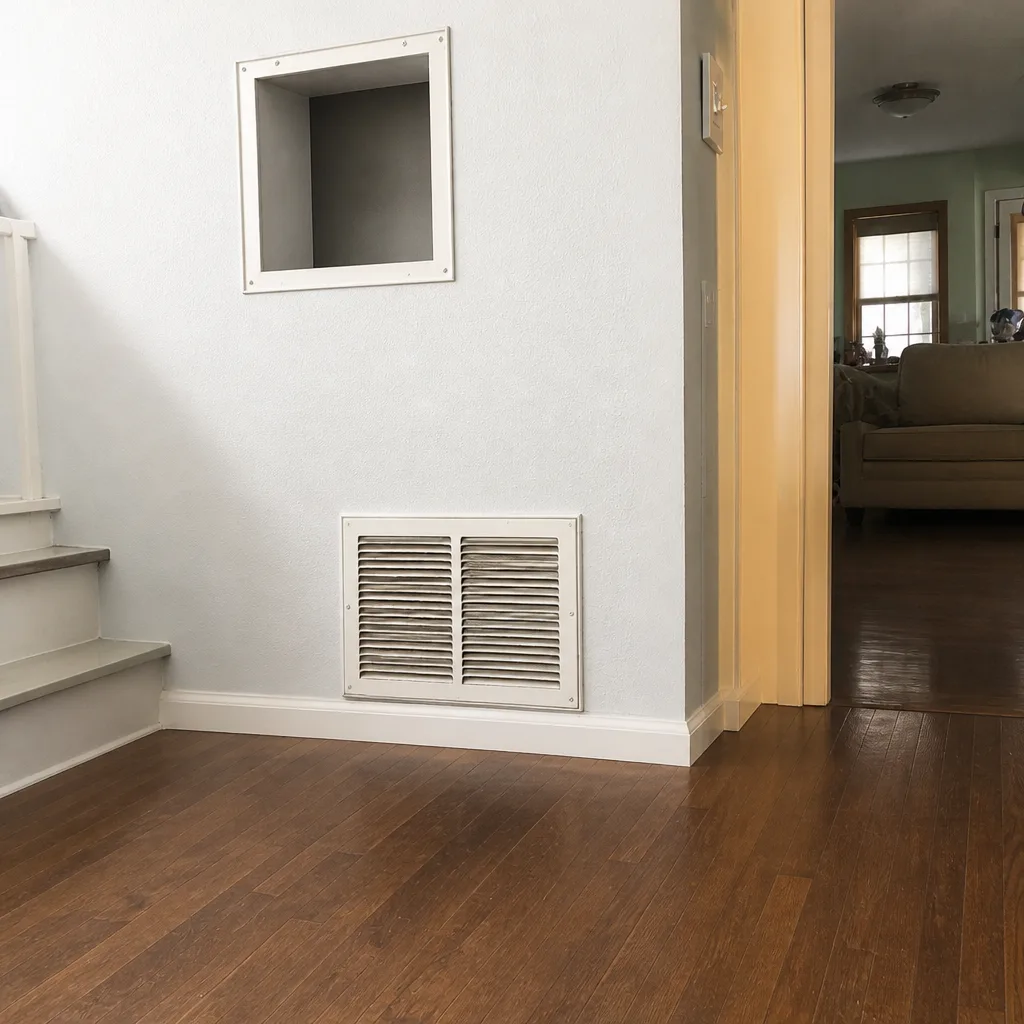
Whole-system duct and dryer vent check with before-and-after photos - you see exactly what came out of your vents
That "$99 whole-house special" is a bait ad - the real number appears once they are in your hallway, or the "clean" is a shop-vac at the register. We photograph the inside of your ducts before and after instead.
Air Duct Cleaning Permits, Codes & Inspections in Provo, UT: What You Need to Know
Here’s the part most Provo homeowners don’t expect: cleaning your ducts almost never requires a permit, but the repair work a cleaning often uncovers almost always does. A disconnected duct that gets reconnected, a torn liner that gets replaced, a leak sealed at the plenum – each of those moves the job out of “maintenance” and into Utah’s mechanical code, whether or not anyone mentions it. Most people only learn the difference at resale, when a buyer’s inspection flags work that was never permitted. This guide walks you through where that line actually sits in Provo, who can pull the permit, what the inspection looks like, and the exact questions that separate a contractor who documents their work from one who doesn’t.
Quick Answer
In Provo, routine air duct cleaning and inspection do not require a building permit. Duct repair, modification, or replacement – reconnecting a disconnected run, replacing flexible duct, sealing at a plenum, or installing a new liner – falls under Utah’s Mechanical Code, which is based on the International Mechanical Code (IMC), and requires a permit from Provo’s Building Division. Mold remediation inside a duct system is a separate track that usually calls for documentation and a contractor who can show their process.
Styles & brands we work with
- Whole-home duct cleaning
- Dryer vent cleaning
- Camera inspection
- Sanitizing & deodorizing
Table of Contents
- Where cleaning ends and permitted work begins in Provo
- What Utah’s mechanical code actually says about ducts
- Who can pull a mechanical permit in Provo
- What Provo’s building inspection looks like for duct work
- Mold in ducts: when cleaning becomes remediation
- How unpermitted duct work surfaces at home sale
- Questions to ask before you approve a duct repair
- Provo’s climate, old housing stock, and why ducts fail here
Where cleaning ends and permitted work begins in Provo
Cleaning is a maintenance activity. It removes debris from a system that’s already built. Repair changes the system. That’s the whole distinction, and it’s the one that trips up most homeowners in Provo.
Picture a typical cleaning visit. A technician runs a camera through the trunk line and finds a run in the basement that’s come loose at a collar, or a section of flexible duct in the attic that’s torn and leaking conditioned air into the crawlspace. That’s a real finding, and it matters for efficiency and air quality. It’s also no longer just cleaning.
Here’s roughly where things fall:
- No permit typically needed: Cleaning and sanitizing the existing duct interior, pulling and cleaning vent covers, brushing and vacuuming the plenum and trunk, and inspection with a camera.
- Typically requires a mechanical permit: Reconnecting a disconnected duct run, replacing a length of flexible or rigid duct, adding a new supply or return, sealing significant leaks at the plenum or at joints that count as a modification, and relocating a register.
- Depends on scope: Minor joint sealing with mastic or tape often falls under maintenance, but a project-level sealing job that changes the system’s performance characteristics is worth a call to the Building Division to confirm.
The Utah Mechanical Code, adopted by reference from the IMC with Utah amendments, is the governing document. Provo’s Building Division enforces it locally. When a duct repair crosses into “modification,” that’s the code that applies, and it’s the code the inspector will open when they arrive.
Cleanings we perform across Provo – from the older homes near downtown to newer builds out toward the east bench – routinely surface small leaks and loose connections. We document what we find with photos so the homeowner can decide whether to permit and repair or leave it for later. We don’t push repairs during a cleaning. The decision is yours, and the permit question should be part of it.
What Utah’s mechanical code actually says about ducts
Utah’s mechanical code governs the installation, alteration, repair, and replacement of duct systems. Cleaning is not among those four words. Repair, alteration, and replacement are. That’s the language to keep in your head when a contractor says “we’ll just fix this while we’re here.”
The code addresses a few things homeowners care about directly:
- Duct material and installation. Flexible duct has to be installed per manufacturer instructions, supported at required intervals, and not crushed or kinked. A repair that reinstalls a sagging flex run has to meet those requirements to pass inspection.
- Sealing. Joints and connections in conditioned-space duct systems have to be sealed to a defined standard. A repair that leaves a joint unsealed is a repair that will fail inspection.
- Clearances. Duct passing near heat sources, including the furnace flue and water heater vent, has specific clearance requirements. An attic re-route has to respect them.
- Return air. Return duct sizing and the prohibition on pulling return air from certain spaces are code items that come up when a homeowner adds or relocates a return.
The practical takeaway: the code is not an obstacle to duct repair. It’s the standard that makes the repair last and keeps the system safe. A contractor who avoids permits is a contractor avoiding the standard. For a full picture of what a documented cleaning involves, see our page on air duct cleaning.
The Utah Mechanical Code doesn’t address cleaning frequency or cleaning method – those are industry standards, not code items. That’s worth knowing, because a contractor who tells you the code “requires” annual cleaning is telling you something the code doesn’t say. Cleaning is a good idea on its own merits. It doesn’t need a code citation to justify it, and a contractor who inflates one is a contractor to watch.
Who can pull a mechanical permit in Provo
In Provo, mechanical permits can be pulled by a licensed mechanical contractor, or by a homeowner for work on their own primary residence. That second option is real, and it’s also the one most homeowners shouldn’t use for duct work.
The homeowner permit exists so a capable DIYer can do their own repair legally. It comes with the same inspection requirements as a contractor permit, and the same liability if the work fails. If you pull the permit for a duct repair and the inspector finds the work deficient, you’re the one calling someone back to fix it – and you’re the one paying for the re-inspection.
What to check on a contractor:
- Ask for their Utah mechanical contractor license number. Utah’s Division of Professional Licensing maintains the database for verification.
- Confirm the license covers mechanical work – not just general contracting.
- Ask who will pull the permit, and confirm it’s in writing on the estimate.
- Ask who will meet the inspector. If the answer is “you will,” that’s a signal.
For commercial properties in Provo, the calculation is different. Commercial mechanical work requires a licensed contractor, full stop. Owner-builder exemptions generally don’t extend to commercial buildings. Property managers handling tenant improvements near the Provo Towne Centre area or along the commercial corridors know this well – the permit track for a commercial duct modification is longer and the inspection is more thorough.
One more thing worth saying plainly: we don’t claim to operate under a specific license number here, because a number we haven’t provided you would be a number you couldn’t verify. Ask any contractor you hire – including us – for their credentials in writing before the work starts. The local pro you connect with is licensed and insured as their state requires, and that’s the standard to hold them to.
What Provo’s building inspection looks like for duct work
A mechanical inspection for duct repair in Provo is usually a single visit. The inspector arrives after the work is roughed in and before it’s closed up, verifies the installation against the permit and the approved plans, and either signs off or writes a correction notice.
What they typically check:
- Material match. Does the installed duct match what the permit specified? A substitution – say, rigid duct where flex was approved – needs to be documented.
- Support and routing. Is the flex supported at required intervals, without sags or kinks? Is the route clear of obstructions and heat sources?
- Sealing. Are joints and connections sealed to the standard the code requires? This is the most common correction item.
- Connections at the plenum and at boots. Are they mechanically fastened and sealed, not just taped?
- Clearances. Distance from the flue, water heater vent, and any heat-producing appliance.
Timing varies with the Building Division’s workload. In our experience, a straightforward residential mechanical inspection is scheduled within a few business days of the request, but we don’t promise a timeline – the Building Division sets it, and the contractor schedules it. If a correction notice is issued, the contractor makes the correction and requests a re-inspection.
Two things homeowners should know:
- The permit and the inspection are the contractor’s responsibility. If they aren’t scheduling it, the work isn’t done, regardless of whether the duct is connected.
- Keep the inspection record. When you sell the house, the signed-off permit is the single best piece of evidence that the work was done correctly.
If you’re also thinking about the air handler sitting in the same closet, our guide to HVAC cleaning covers what gets cleaned inside the unit and what gets inspected alongside the ducts. The two jobs are worth coordinating so the inspector sees the whole system in one visit.
Mold in ducts: when cleaning becomes remediation
Cleaning removes debris. Remediation addresses a condition – active mold growth – and the two are not the same job. In Provo, that distinction matters less for the permit and more for how the work is documented and who’s qualified to do it.
Mold in ducts usually shows up where moisture does: an attic run under a leaking roof, a basement duct in a humid crawlspace, or a system that’s been pulling return air from a damp space. If a cleaning inspection turns up visible growth, the job crosses a line. Cleaning the surface without addressing the moisture source is a job that fails within a season.
What changes:
- Documentation becomes the deliverable. A mold remediation scope should specify what’s being treated, with what product, and how the result is verified. Utah’s indoor air quality guidance and the general industry standard both point to documented process over verbal assurance.
- Containment matters. Loose spores get redistributed without negative-air containment. This is where equipment separates a cleaning service from a remediation service – Abatement Technologies negative-air and HEPA filtration equipment is the industry-standard answer, and it should be on the truck.
- Antimicrobial treatment is a step, not a solution. Treating the duct interior without fixing the moisture source just resets the clock. Guardsman-grade treatment products protect the duct interior after cleaning – they don’t stop the leak that caused the growth.
- The permit question depends on scope. Treatment alone usually doesn’t require a mechanical permit. Replacing duct sections that are structurally compromised by moisture does.
Ask any contractor recommending mold treatment two questions: what moisture source are you addressing, and how will you verify the result? A contractor who can’t answer both is cleaning the symptom. Our Provo Air Duct Cleaning Pros team treats sanitizing as part of a full-system job, not a standalone upsell – it comes after cleaning, after the moisture issue is identified, and with the treatment product named on the invoice.
How unpermitted duct work surfaces at home sale
Unpermitted duct work rarely stays hidden forever. It surfaces at the worst possible moment – during a buyer’s inspection, usually two weeks before closing, with your contingency clock running.
Here’s how it typically plays out:
- Buyer’s home inspection. A good inspector opens the attic hatch, walks the crawlspace, and photographs the duct system. Loose connections, unsealed joints, and flex runs that don’t match the rest of the system get flagged. The report notes the discrepancy, and the buyer’s agent asks for documentation.
- Disclosure obligations. Utah requires sellers to disclose known material defects. If you’ve had duct work done and you know it wasn’t permitted, that’s a disclosure item. Choosing not to disclose it is a decision with legal consequences that go well beyond the cost of a permit.
- Title and permit search. Some buyers and their agents pull the permit history on a property. A duct repair that should have a permit and doesn’t is visible in the record.
- Retroactive permitting. You can permit work after the fact, but the process involves opening walls or attic access so the inspector can see the work, and it can require correction if the original installation doesn’t meet code. Retroactive permitting costs more than upfront compliance, every time, because you’re paying for the inspection plus whatever correction the inspector requires.
The math is simple. Upfront, the permit adds a line to the estimate and a few days to the schedule. Retroactive, it adds the same permit fee, plus the cost of re-opening finished surfaces, plus the risk that the buyer renegotiates the price. For a Provo home on the market, that’s a real cost.
The same logic applies to the dryer vent. A clogged or improperly routed dryer vent is a fire safety item, and a buyer’s inspector will flag it. Our page on dryer vent cleaning covers what a properly routed and documented vent looks like, and it’s worth checking before you list.
Questions to ask before you approve a duct repair
The single best filter for a duct contractor is one question: “Will you pull a permit for this work?” The answer tells you almost everything about how they operate.
A contractor who pulls permits is a contractor with a license worth verifying, a paper trail worth keeping, and an incentive to do the work to code. A contractor who discourages permits – “it’s not necessary,” “it’ll just slow things down,” “we do this all the time without one” – is a contractor whose work you can’t verify and whose liability you’ll be carrying at resale.
Here’s the full list of questions, in order:
- Will you pull a permit for this work? The qualifying question. If the scope is repair or replacement, the answer should be yes.
- Can I see your Utah mechanical contractor license? Verify it through the state’s licensing database before work starts.
- What exactly is being repaired, and what’s the scope in writing? A written scope is the difference between a repair and an open-ended project.
- Who will meet the inspector, and when? The answer should be the contractor, on a scheduled date.
- What happens if the inspection fails? A good contractor covers the correction and the re-inspection. Get that in writing.
- Can I have before-and-after photos of the duct interior? A camera run before and after is standard for a documented job. If they don’t offer photos, ask.
- What equipment are you using? Rotobrush contact-cleaning systems and Nikro HEPA extraction are the professional-grade answer. A shop vacuum is not.
That last question matters more than it sounds. Contact cleaning – a rotating brush head that scrubs the duct interior – removes what’s adhered to the walls. Vacuum alone doesn’t. And Abatement Technologies air filtration equipment on site captures loosened debris at the source rather than pushing it into the living space. These aren’t marketing points; they’re the difference between a cleaned system and a stirred-up one. If you have a Honeywell or Aprilaire whole-home filtration or humidity system, ask how the cleaning interacts with it – a contractor who knows those systems will have an answer.
Provo’s climate, old housing stock, and why ducts fail here
Provo’s climate works on duct systems in ways that coastal or humid-climate guides don’t cover. The swing between a dry, hot summer and a cold, snowy winter puts repeated thermal stress on duct joints, especially in unconditioned attic spaces where the temperature differential is largest. Flexible duct that was installed snug in July can sag and separate at a collar by the following winter.
The local housing stock adds to it. Homes in the older neighborhoods near downtown and around the BYU campus often have duct systems installed decades ago, sometimes modified several times by successive owners. Additions and finished basements frequently mean duct runs that were extended without a permit and without documentation. When we clean a system in one of these homes, the camera run often shows a mix of duct types and connection styles that suggest multiple undocumented repairs.
What that means for a Provo homeowner:
- Expect to find something. A cleaning in an older Provo home often turns up at least one loose connection or unsealed joint. That’s normal, and it’s the reason cleaning and inspection should be the same visit.
- Verify before you repair. If a contractor recommends repair, ask for a photo of the issue and a written scope before approving anything.
- Permit the repair. If the scope is a reconnect or replacement, the permit is the standard.
- Coordinate with the HVAC unit. A duct system that’s leaking is a system whose air handler is working harder than it should. Cleaning the ducts and the HVAC unit together is a more complete picture, and it’s what our full-system approach is built around.
Newer construction on the east bench isn’t immune, either. Tight, well-insulated homes with modern duct systems can still have sealing issues at the plenum and at boots, and a cleaning is often the first time anyone looks inside the system since it was built.
Common Mistakes to Avoid
- Assuming “no permit needed for cleaning” means “no permit needed for the repair.” Cleaning doesn’t trigger a permit. Reconnecting a duct does. Know which job you’re approving.
- Letting a contractor talk you out of a permit to save time. The permit adds a few days. The lack of one can add a correction notice, a re-inspection, and a renegotiation at resale.
- Accepting a verbal repair scope. If the scope isn’t in writing with photos, you have no way to verify what was actually done or whether it matches what the inspector approved.
- Confusing sanitizing with remediation. A Guardsman-grade treatment applied after cleaning protects the duct interior. It doesn’t fix an active moisture problem. If a contractor treats without addressing moisture, the growth returns.
- Pulling your own homeowner permit for duct work you can’t verify. Homeowner permits are legal for owner-occupied residences, but they make you the contractor of record. If the inspection fails, you’re the one paying for the correction.
- Skipping the permit record when you sell. The signed-off permit is the single best piece of evidence for a buyer. If you did the work without one, retroactive permitting before listing is almost always cheaper than negotiating after the inspection report.
- Overlooking the dryer vent during a duct project. A clogged dryer vent is a fire safety issue, and it’s a separate inspection item at resale. If you’re already scheduling duct work, schedule the vent too.
See the difference
 Before
 After
 Before
 After
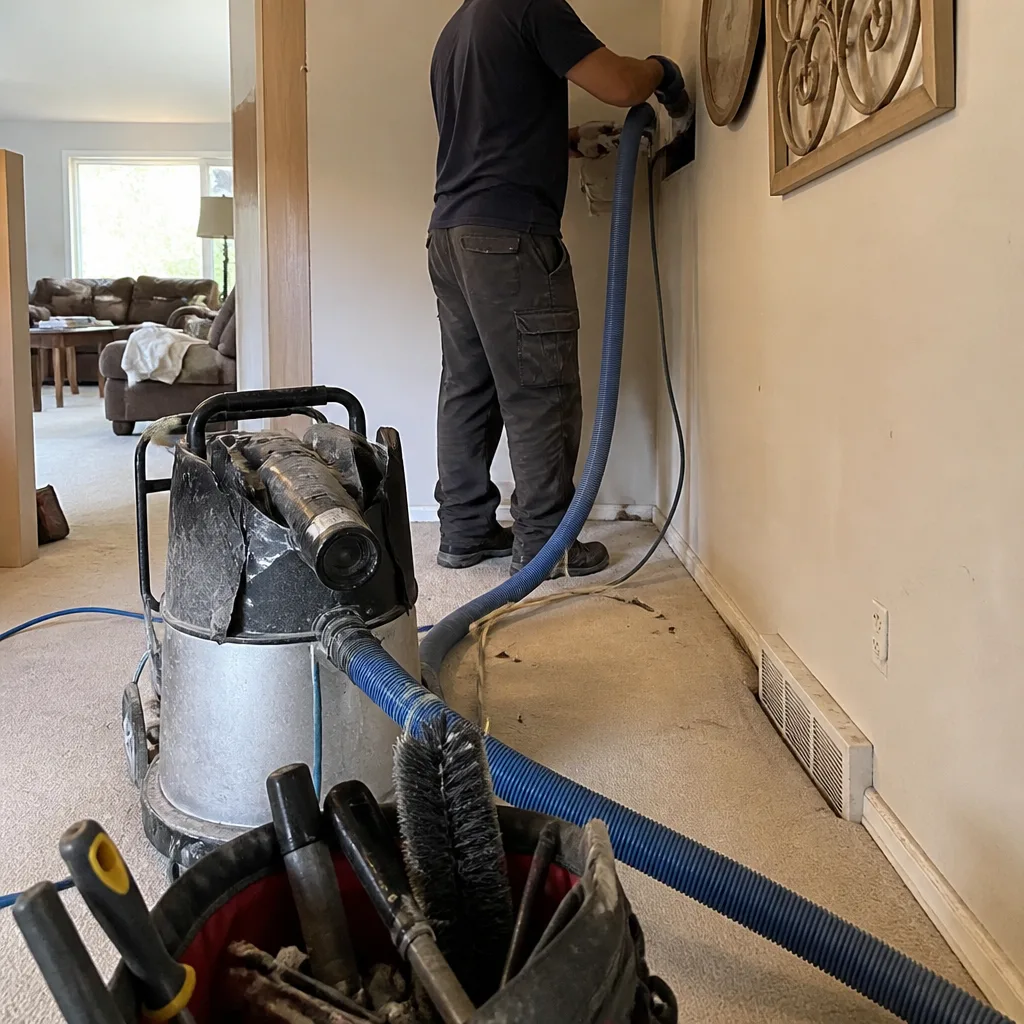 Before
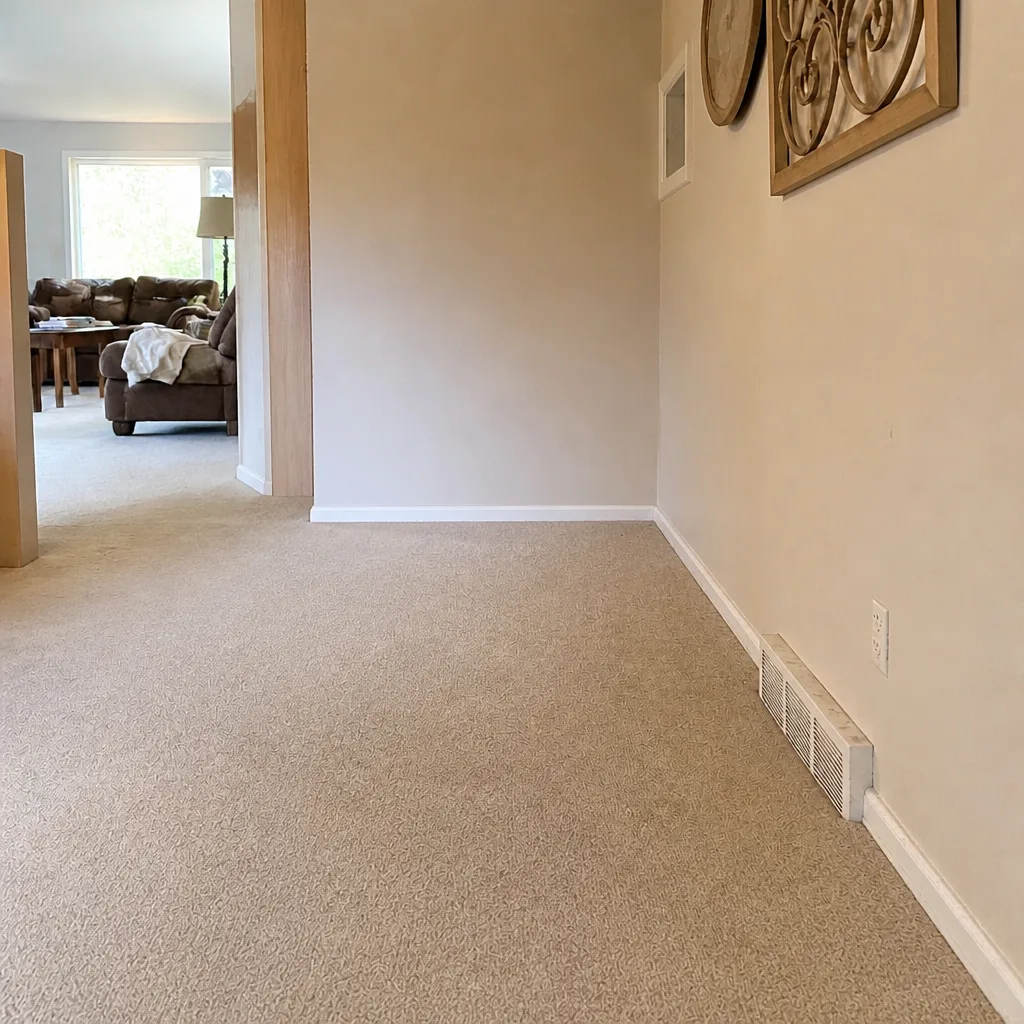 After
When to Call a Professional
Some things you can check yourself: visible dust at the registers, a musty smell when the system starts, a dryer that takes two cycles to dry a load. Some things you shouldn’t: a duct repair that requires a permit, a moisture problem inside the duct system, or any finding that a previous contractor left undocumented. If you’re buying or selling a Provo home and the inspection report flags duct work, that’s a professional call – a licensed contractor can pull the permit, meet the inspector, and give you a written record that closes the issue.
Our technicians have up to 10 years of experience with duct cleaning, repair and sealing, and the equipment to document what they find. Provo Air Duct Cleaning Pros offers free estimates in Provo. Call (866) 937-8191. We answer 24/7. Fast dispatch from 7am to 7pm, Sunday through Friday.
Frequently Asked Questions
No. Routine air duct cleaning and inspection in Provo don’t require a building permit, because cleaning is maintenance of an existing system rather than a modification of it. The permit question only comes up when the cleaning uncovers a repair – a disconnected run, a torn liner, a section that needs replacing. Call (866) 937-8191 for a free estimate and we’ll walk you through whether your job crosses that line.
Duct repair, modification, or replacement falls under Utah’s Mechanical Code, which is based on the IMC, and generally requires a permit from Provo’s Building Division. Reconnecting a duct, replacing flexible or rigid duct, adding a new supply or return, and sealing significant leaks at the plenum all fall into that category. Minor joint maintenance is more of a judgment call, and the Building Division can confirm the scope. Call (866) 937-8191 with the details of your repair and we can help you sort the permit question from the work itself.
Yes, for work on your primary residence. Utah allows homeowners to pull mechanical permits for owner-occupied homes, but the permit makes you the contractor of record – you’re responsible for meeting the inspector and for any correction the inspector requires. For most homeowners, having a licensed mechanical contractor pull the permit is the cleaner path, because the contractor carries the correction cost if the inspection fails. Call (866) 937-8191 for a free estimate.
The inspector verifies the installation against the permit and the approved scope: material match, support and routing, sealing at joints and connections, attachment at the plenum and boots, and clearances from heat sources. It’s usually a single visit, scheduled after the work is roughed in and before it’s closed up. If a correction is issued, the contractor makes it and requests a re-inspection. Call (866) 937-8191 to talk through what your job will need.
Pull the permit history on the property through Provo’s Building Division, and have a contractor run a camera through the duct system to look for mismatched materials, unsealed joints, and connections that don’t match the rest of the install. Older Provo homes near downtown and around campus are the most common place we see it, usually from additions or basement finishes done without documentation. Call (866) 937-8191 for a free estimate and a documented inspection.
Usually not the permit itself, but it changes the contractor you should hire. Mold remediation inside a duct system calls for documented scope, containment with negative-air and HEPA equipment such as Abatement Technologies units, and a plan to fix the moisture source – not just a surface treatment. If the remediation requires replacing compromised duct sections, that part does require a mechanical permit. Call (866) 937-8191 for a free estimate.
The Bottom Line
Cleaning your ducts in Provo is maintenance and doesn’t require a permit. Repairing them is construction, and it does. The difference matters most at resale, when a buyer’s inspection turns up undocumented work and the cost of retroactive permitting lands on your side of the closing table. Ask any contractor who recommends a repair one question first: will you pull a permit? The answer tells you whether the work will be documented, inspected, and defensible. The rest – the equipment, the written scope, the before-and-after photos – follows from there. Get the permit upfront, keep the record, and you’ll never have to explain a duct to a buyer’s inspector.
Ready to schedule a cleaning or talk through a repair? Provo Air Duct Cleaning Pros offers free estimates across Provo. Call (866) 937-8191. We answer 24/7. Fast dispatch from 7am to 7pm, Sunday through Friday.
Written by the team at Provo Air Duct Cleaning Pros.